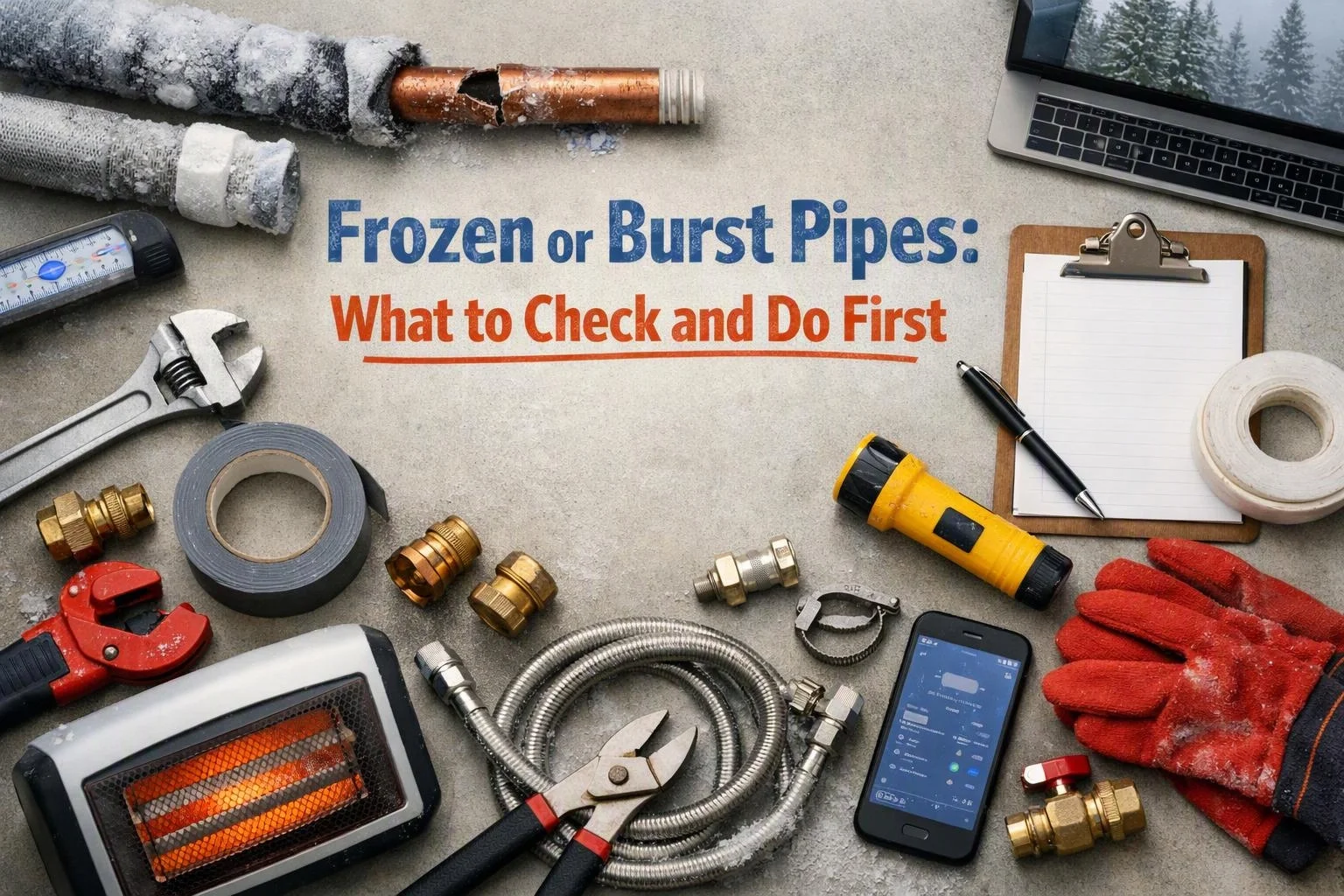
Frozen or Burst Pipes: What to Check and Do First
Frozen or burst pipes need a safe, ordered response: shut off the water, protect nearby areas, avoid unsafe thawing methods, and check for hidden damage. PlumbingKentwa.link can assess the pipe and complete frozen or burst pipe repairs.
Request an EstimateHow Can You Tell a Water Pipe Is Frozen?
A frozen water pipe often shows reduced or stopped flow, frost, condensation, bulging, or cracking around the pipe.
A frozen water pipe may cause reduced water pressure at one fixture or no water flow at all. Frost or condensation can appear on the pipe surface. A bulging section may signal pressure inside the line.
A pipe crack can release water when ice begins to melt. A frozen supply line, frozen hose bib, or indoor water line may all need a careful inspection before thawing continues.
Before You Touch the Pipe
Before touching a suspected frozen pipe, protect people from standing water, electrical hazards, and an active leak.
Use this safety checklist before examining the area. Stop if the leak source is unclear or water is near electrical equipment.
Why a Frozen Pipe Can Burst
A frozen pipe can burst when expanding ice increases pressure inside the pipe and stresses weak sections or joints.
Ice expansion can block part of the water line. Water trapped between the ice and a closed section can build pressure as freezing continues.
The pressure may stress a pipe joint, seam, or already weakened area. A split pipe can stay hidden until thawing releases the trapped water.
That hidden leak may spread through insulation, cabinets, floors, or walls. Reduced water pressure after thawing can also point to a damaged water line.
What to Do During a Burst Pipe
During a burst pipe emergency, shut off the main water supply and limit contact with standing water.
These steps help control the water leak while our team prepares to inspect the pipe. Don't use unsafe heat sources or disturb damaged fittings.
Red Flags That Need Immediate Plumbing Help
Immediate plumbing help is needed when a leak can spread quickly or threatens household safety.
These signs can point to a serious plumbing problem or property water damage.
How We Check Frozen or Burst Pipes
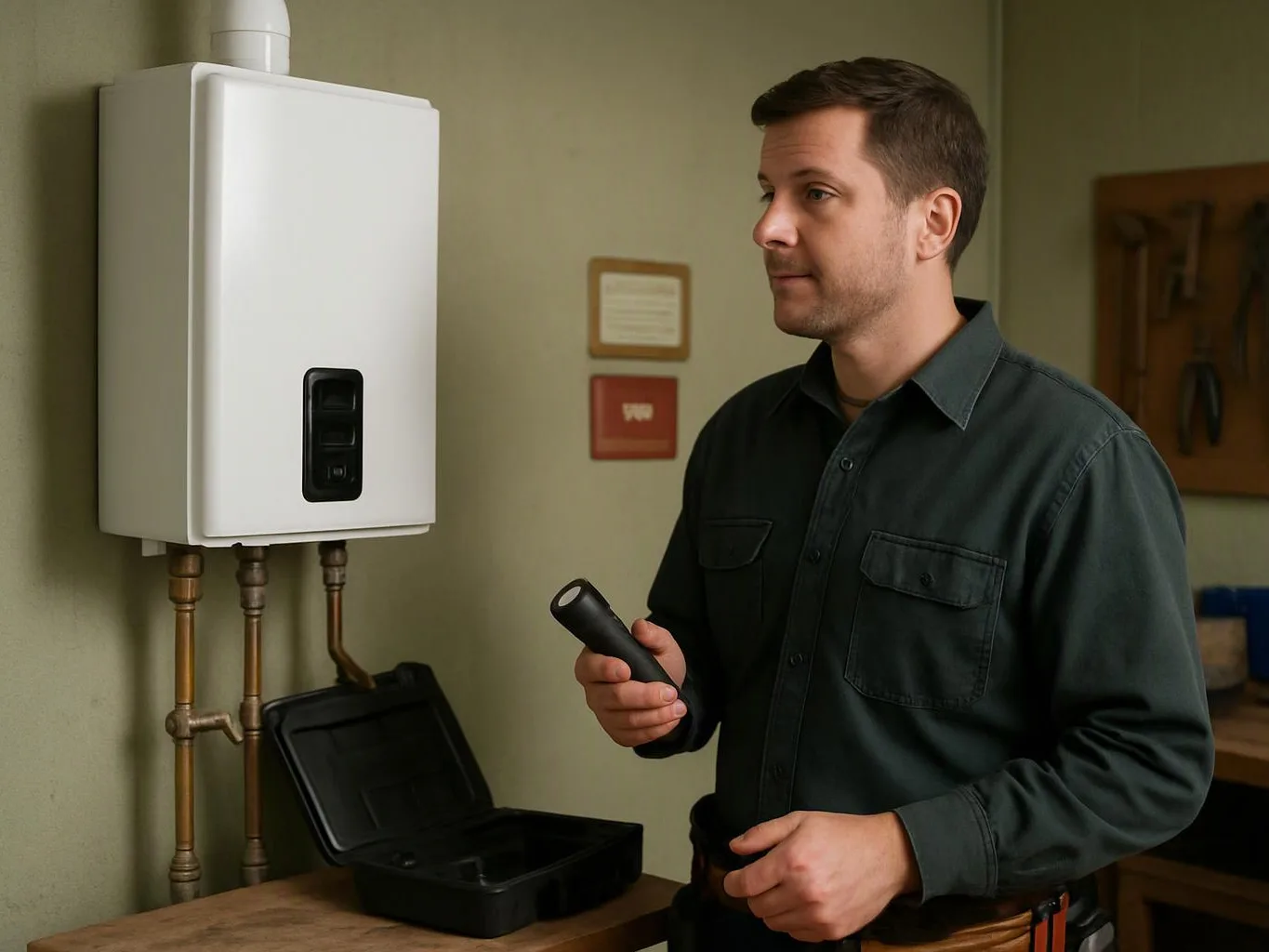
PlumbingKentwa.link checks the water supply, traces the affected pipe, assesses damage, and plans the needed repair before restoring service.
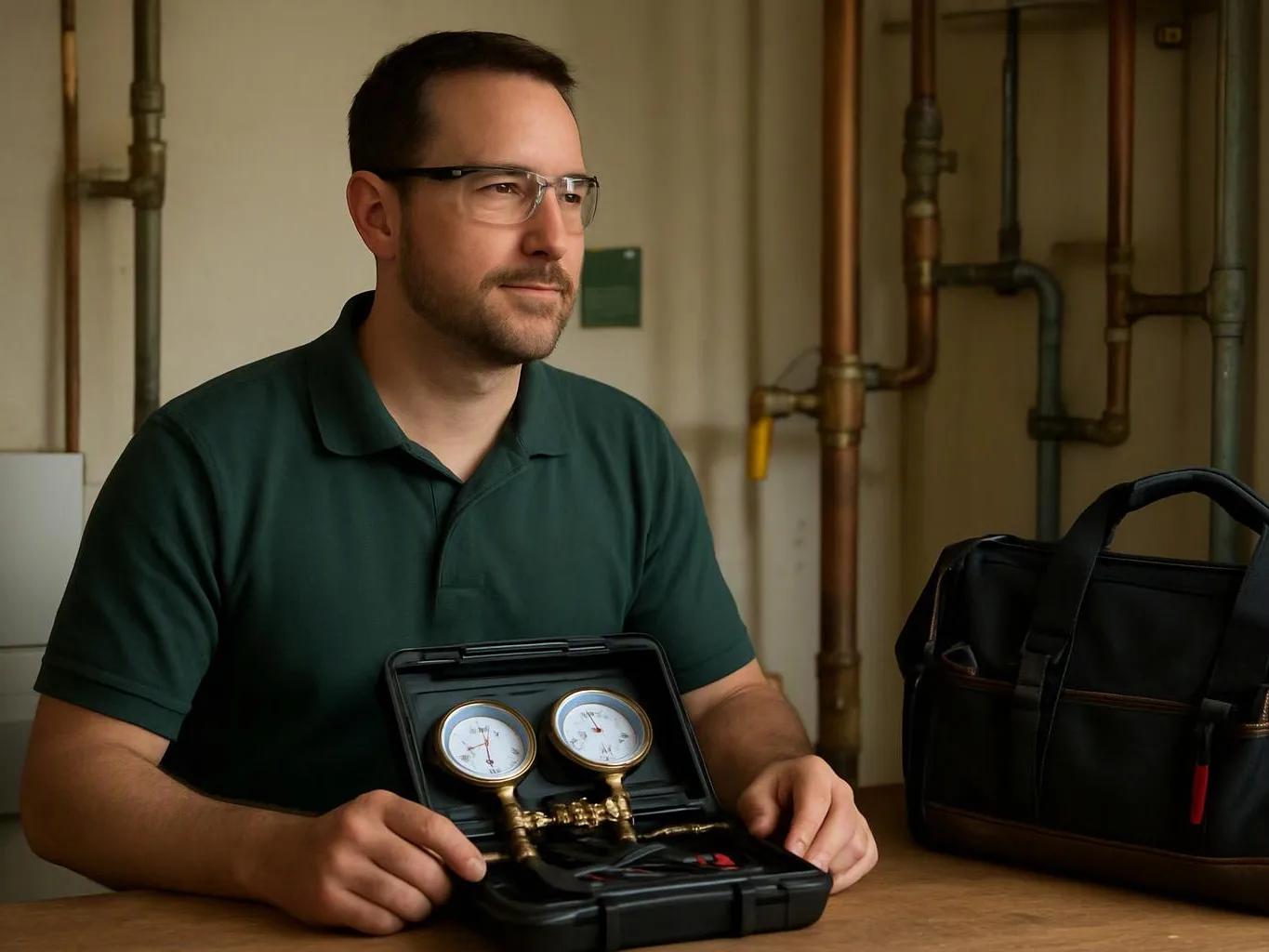
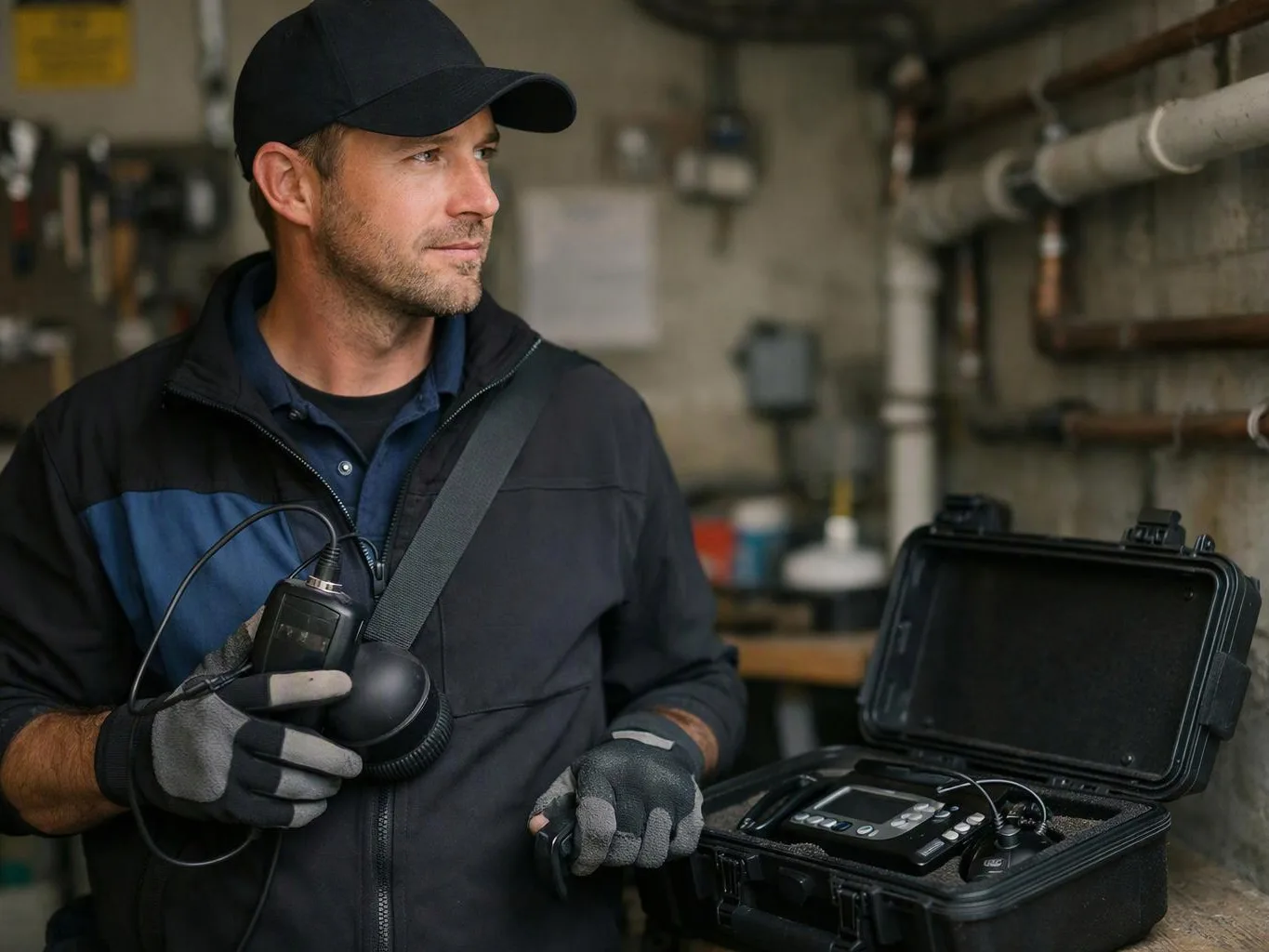
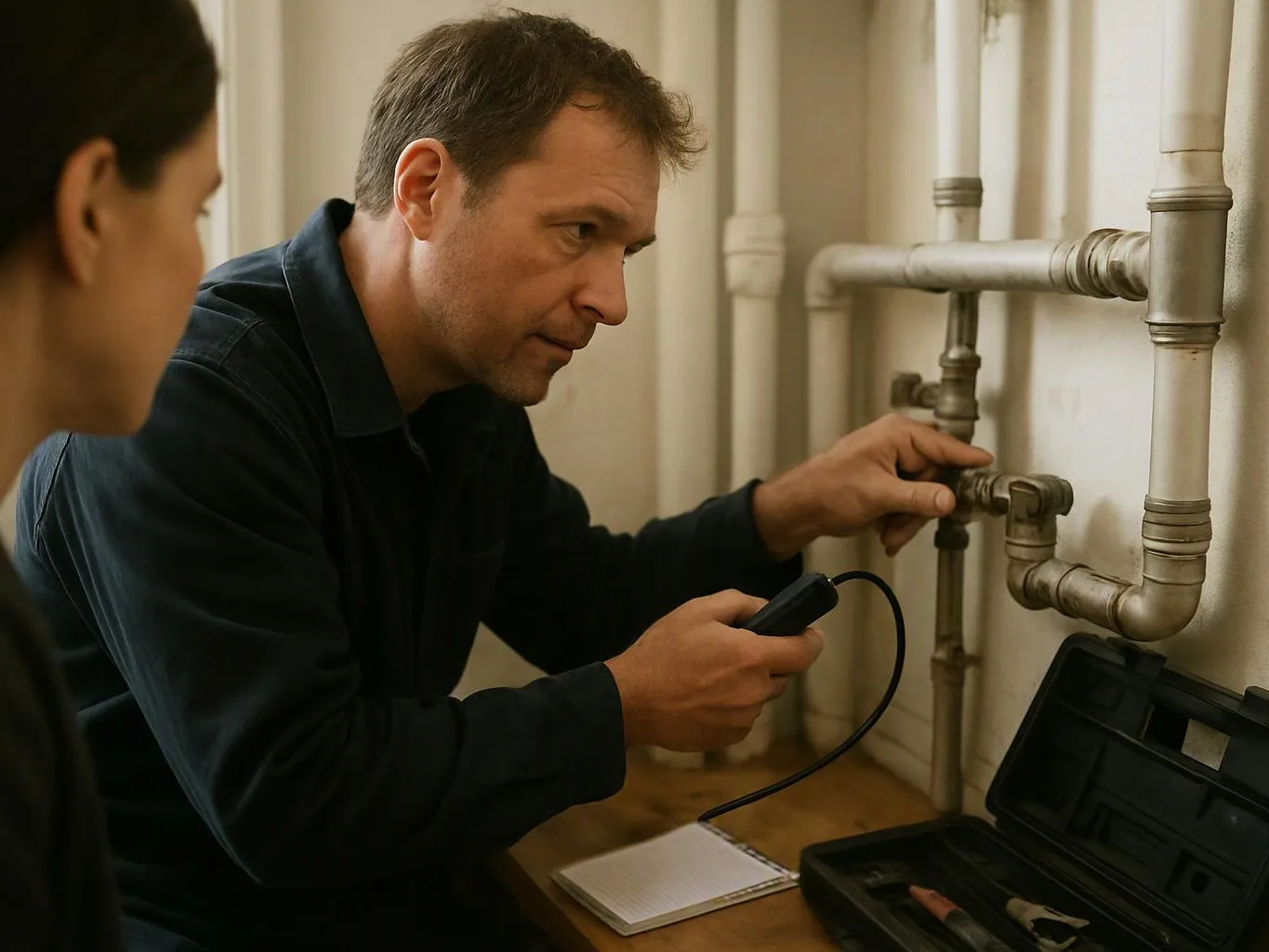
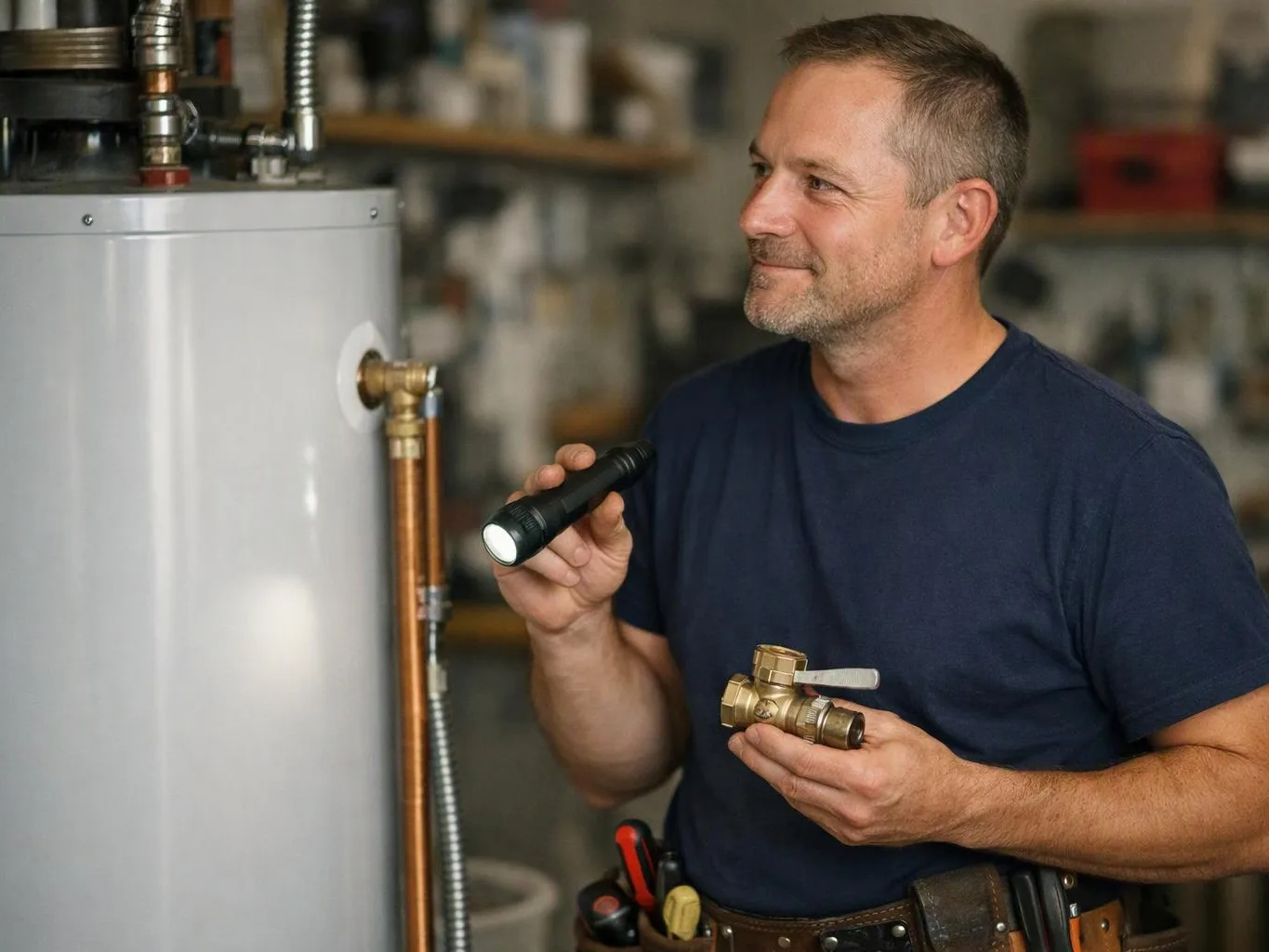
Our team begins with a pipe inspection and confirms whether water pressure is stable. We use leak detection methods to trace water when the damaged section isn't visible.
We identify the safest pipe access point and check nearby joints, fittings, and materials. Our crew then explains whether the line needs repair or pipe replacement.
For Frozen Pipe Repair, we focus on the frozen section and any damage caused by pressure. Burst Pipe Repair may also involve opening finished surfaces, replacing a split section, and testing the water line before service returns.
What to Do After the Water Is Under Control
After the water is under control, inspect affected areas and arrange pipe repair before normal use resumes.
Water can travel behind walls and under flooring. A careful review helps identify hidden leaks and materials that may need water restoration.
How to Prepare Exposed Pipes for Freezing Weather
Pipe insulation, sealed drafts, and protected outdoor connections can reduce exposure to freezing conditions.
Exposed pipes in unheated areas lose heat quickly. Pipe insulation can help protect water lines, but it won't correct an active leak or damaged pipe.
Seal drafts around openings near crawl spaces, garages, walls, and other cold areas. Protect outdoor hose bibs by disconnecting hoses and addressing exposed connections before cold weather.
Freeze protection works best when you address both cold air and vulnerable water lines. Our team can inspect exposed piping when the layout or condition is unclear.
What to Check Before Calling for Burst Pipe Repair
Before calling for burst pipe repair, check the water shutoff, visible damage, leak location, affected fixtures, and electrical risk.
Only check items you can reach safely. Don't remove walls, force fittings, or enter wet areas near electrical equipment.
What Your Repair Quote Should Cover
A repair quote should explain the damaged section, access needed, replacement work, testing, and any related water damage concerns.
The repair scope should identify the damaged pipe and explain how our team will reach it. Replacement materials and access work should be clear before work begins.
The quote should also explain water testing after the repair. Testing helps confirm that the line holds pressure and that nearby fixtures work as expected.
Ask our team how the quote handles hidden damage discovered during access work. Emergency Plumbing needs can involve both pipe repair and damage control, so the written scope should separate those tasks.
Questions About Frozen and Burst Pipes
Can a frozen pipe thaw without bursting?
Yes, a frozen pipe can thaw without bursting when pressure and pipe damage don't split the line. A pipe can still leak after thawing, so our team should check suspicious areas before normal use resumes.
Should you use a heat gun to thaw a frozen pipe?
No, you shouldn't use a heat gun to thaw a frozen pipe because intense heat can damage the pipe or nearby materials. Stop if the pipe is cracked, bulging, hidden, or near electrical equipment, and contact our team.
Can a pipe burst after the ice starts melting?
Yes, a pipe can burst after ice starts melting if a crack or weak joint has already formed. Thawing can release trapped water through the damaged area, so watch for leaks and reduced pressure.
How do you know where a burst pipe is located?
A burst pipe's location may be shown by wet surfaces, staining, dripping sounds, reduced pressure, or water near a fixture. Our team uses pipe inspection and leak detection to trace hidden damage safely.
Contact our team for a safe assessment when a frozen or burst pipe threatens your water supply or property.