Suspect a Gas Leak? Safety Steps to Take First
If you suspect a gas leak, avoid flames, switches, phones, and vehicles near the area. Leave immediately, call emergency services from a safe location, and contact PlumbingKentwa.link for gas line repair after the area is declared safe.
Request an EstimateWhat Should You Do First If You Smell Gas?
A suspected gas leak requires immediate evacuation without creating sparks or flames. A natural gas odor can build in indoor air and place every occupant at risk.
Leave the building calmly and warn others as you exit. Do not search for the leaking gas line, touch switches, or use a phone indoors.
Before You Leave the Property
Safe evacuation starts with leaving the gas appliance and surrounding area undisturbed. Our team at PlumbingKentwa.link handles gas line repair only after emergency officials or the gas utility declares the area safe.
During the Evacuation
During a gas leak evacuation, move toward fresh air and put distance between people and the suspected leak. Keep the exit calm, and don't create an ignition source while leaving.
How Do You Know the Situation Is Dangerous?
A strong gas odor, hissing, damaged pipes, unusual bubbling, or symptoms near the odor means you should leave and seek emergency help.
Why You Shouldn't Search for or Repair the Leak
You shouldn't search for or repair a suspected gas leak because testing, digging, turning valves, or using tools can increase danger. Gas piping can release fuel into a confined space or near an ignition source.
Gas pressure can change when a shutoff valve is moved, and a damaged fitting may worsen during handling. Regulated plumbing work needs trained judgment, safe equipment, leak detection, and code inspection.
Do not repair the leak yourself. Leave the property and wait for emergency direction before arranging professional inspection.
Who Should You Call About a Suspected Gas Leak?
Call emergency services from a safe location first when you suspect a gas leak. Emergency responders can address immediate danger and help protect occupants.
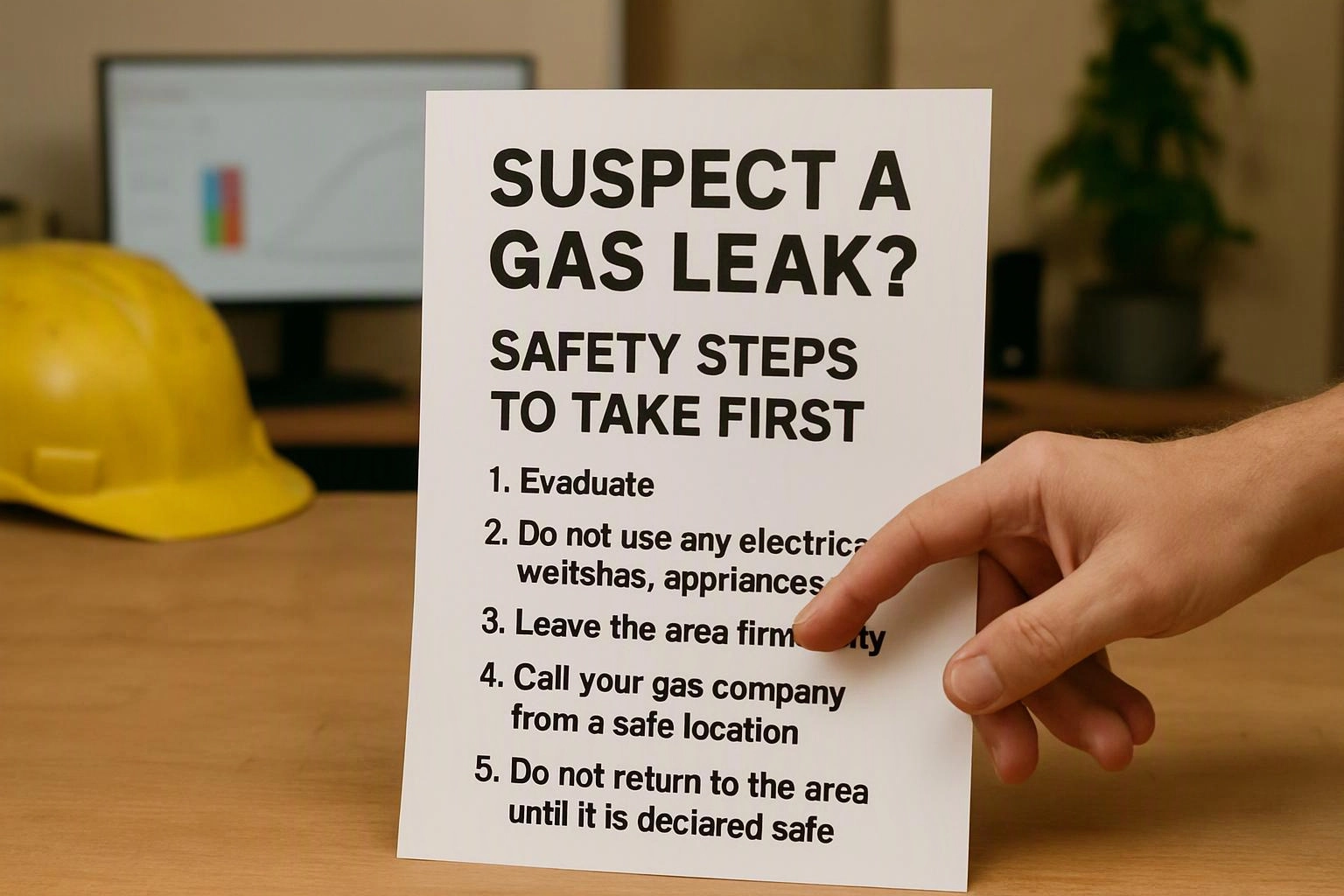
Notify the gas utility after leaving the area, following its safety instructions. Once the area is declared safe, contact our team for Gas Line Repair and a professional inspection.
You can use our contact page to request service after the emergency response is complete.
What Happens After Everyone Reaches Safety?
After everyone reaches safety, emergency responders and the gas utility determine whether the property can be approached. Our team doesn't begin gas work until the area is safe for inspection.
Which Warning Signs Need Immediate Action?
Each warning sign in the table calls for safe evacuation and emergency response. Do not investigate a suspected leak to confirm the sign.
| Warning sign | Safe response |
|---|---|
| Gas odor | Leave the property and call emergency services from outside. |
| Hissing pipe | Avoid the pipe and move to fresh air. |
| Carbon monoxide symptoms | Leave immediately and seek emergency medical help. |
| Visible pipe damage | Don't touch the damage or nearby controls. |
| Unusual bubbling | Move away and report a possible outdoor gas leak. |
How We Inspect and Repair a Gas Line
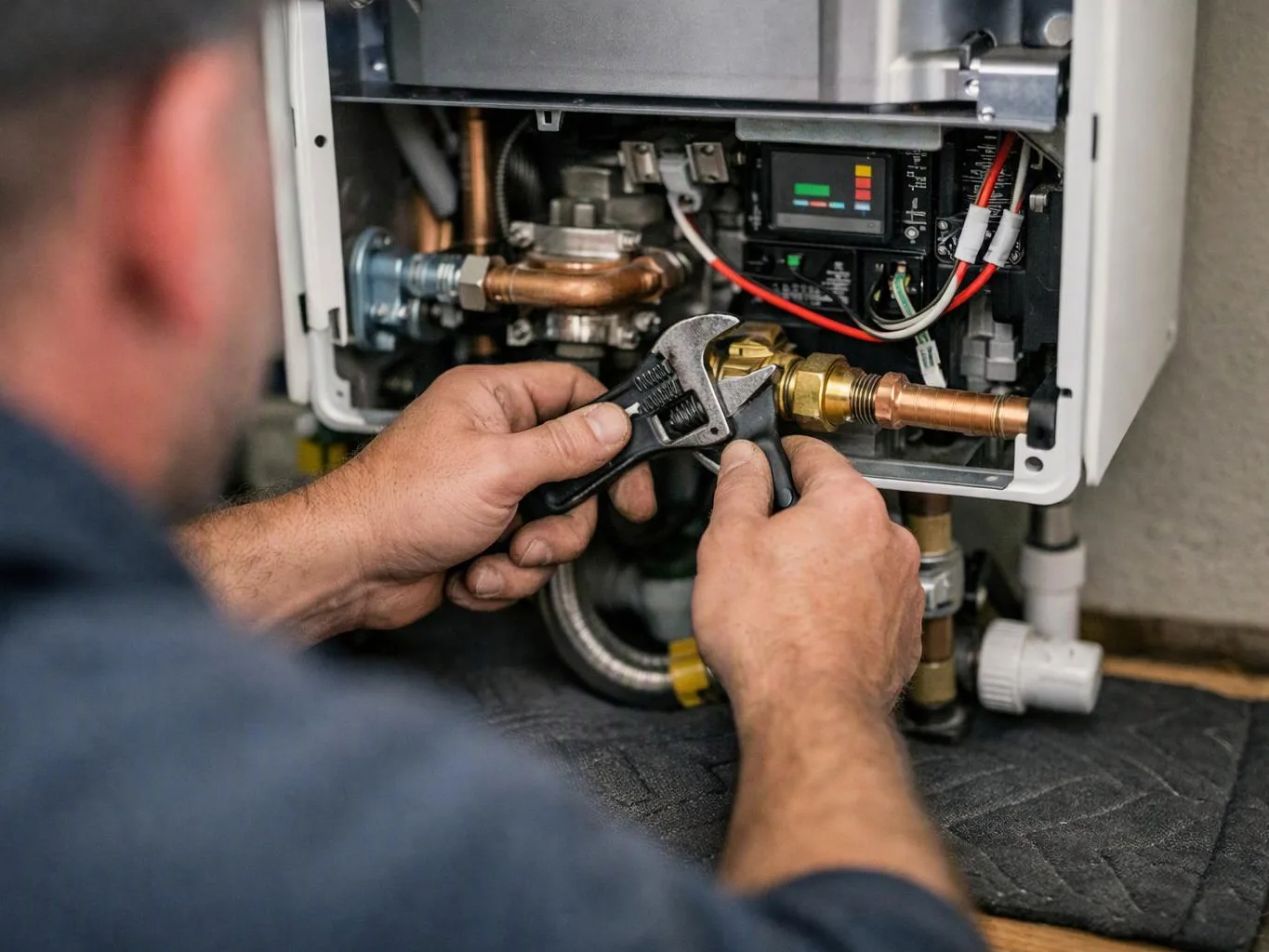
PlumbingKentwa.link inspects gas piping, locates the source, and repairs unsafe gas line conditions after the area is safe. Our team starts with the reported symptoms and visible condition of the system.
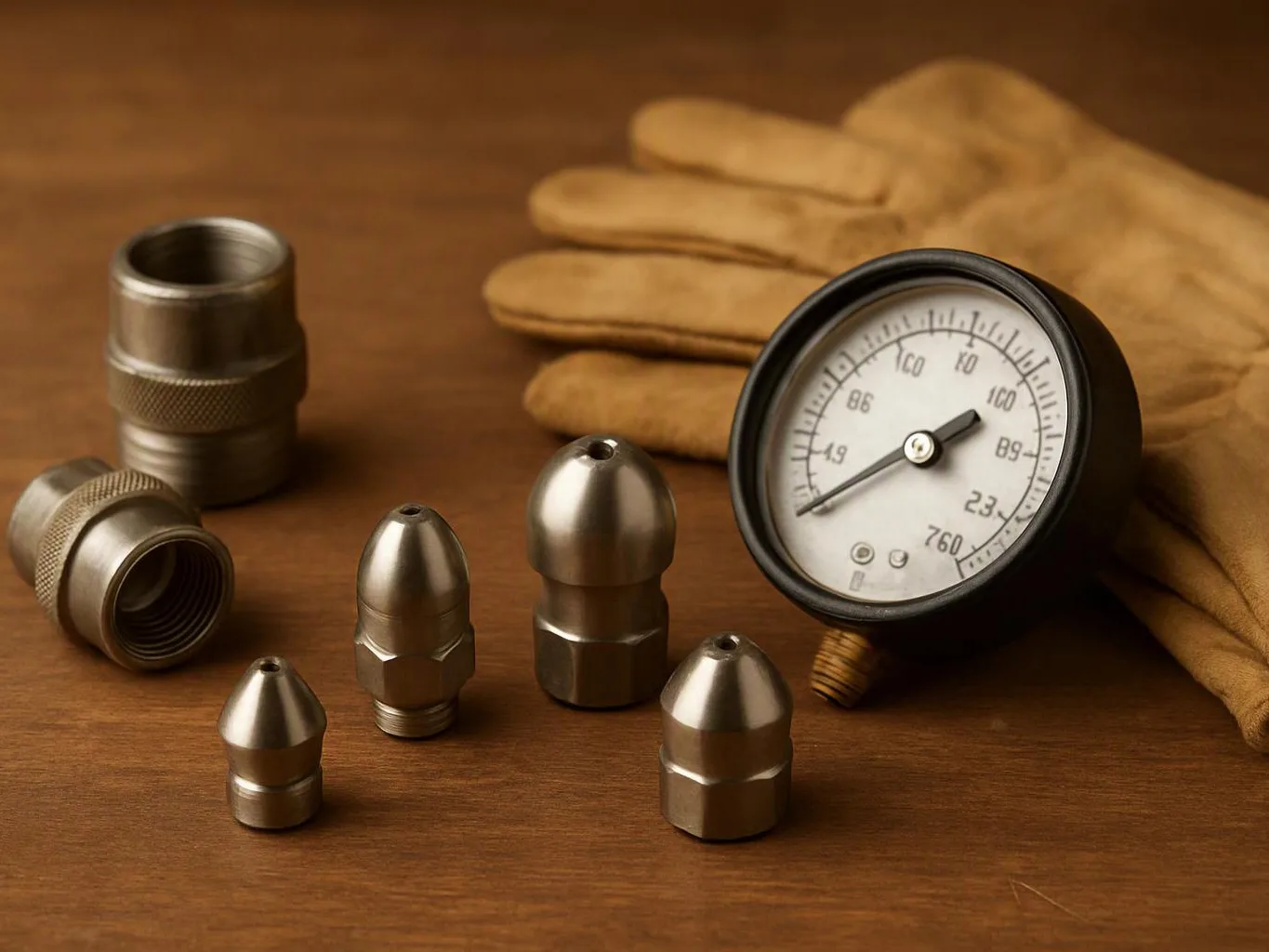
We use gas leak detection to identify escaping gas without unnecessary disturbance. Pressure testing helps us assess the piping and repaired connections.
Our team also checks the gas appliance connection, fittings, and nearby pipe sections. When replacement or new routing is needed, we explain the related gas line installation work before proceeding.
What We Check Before Gas Service Resumes
Before gas service resumes, our team checks the gas line installation or repair, pipe connections, and appliance fittings. We look for secure joints and signs that the system can operate safely.
We also review the gas shutoff valve and the connection to each affected gas appliance. Code compliance and inspection needs depend on the work and the applicable requirements.
Our final checks focus on leak testing, pressure testing, and safe operation. We explain any remaining inspection requirement before service is restored.
How to Prevent a Repeat Gas Leak
Preventing another gas leak starts with safe gas appliances, clear ventilation, and routine inspection. Keep appliance areas accessible so warning signs are easier to notice.
Our team checks flexible gas connectors for damage, corrosion, and poor connections during related service. We also look at nearby gas piping and fittings for conditions that may need attention.
Arrange routine inspection when an appliance, connector, or pipe shows wear. Never cover vents, disturb gas piping, or delay action after a new gas odor appears.