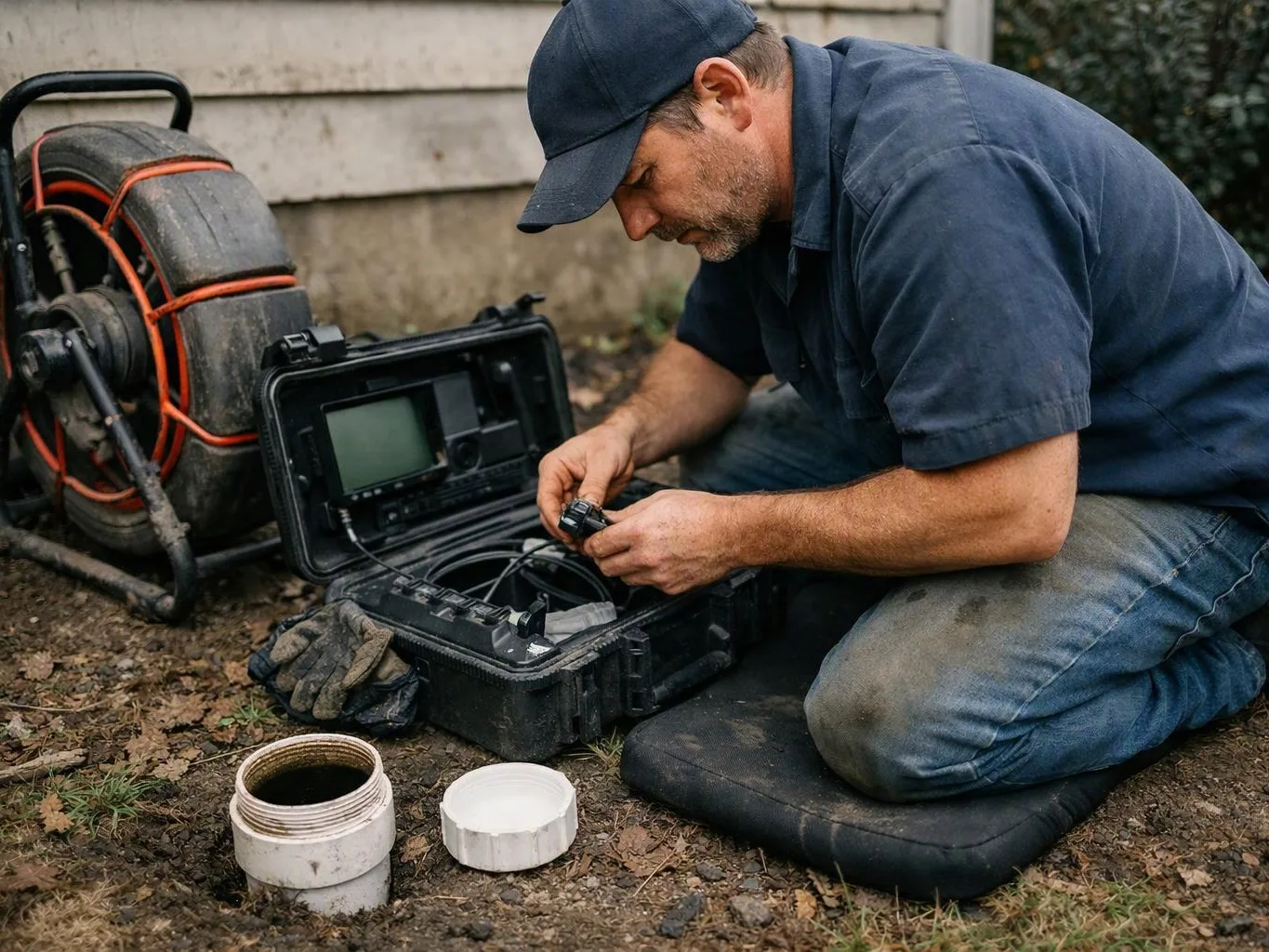
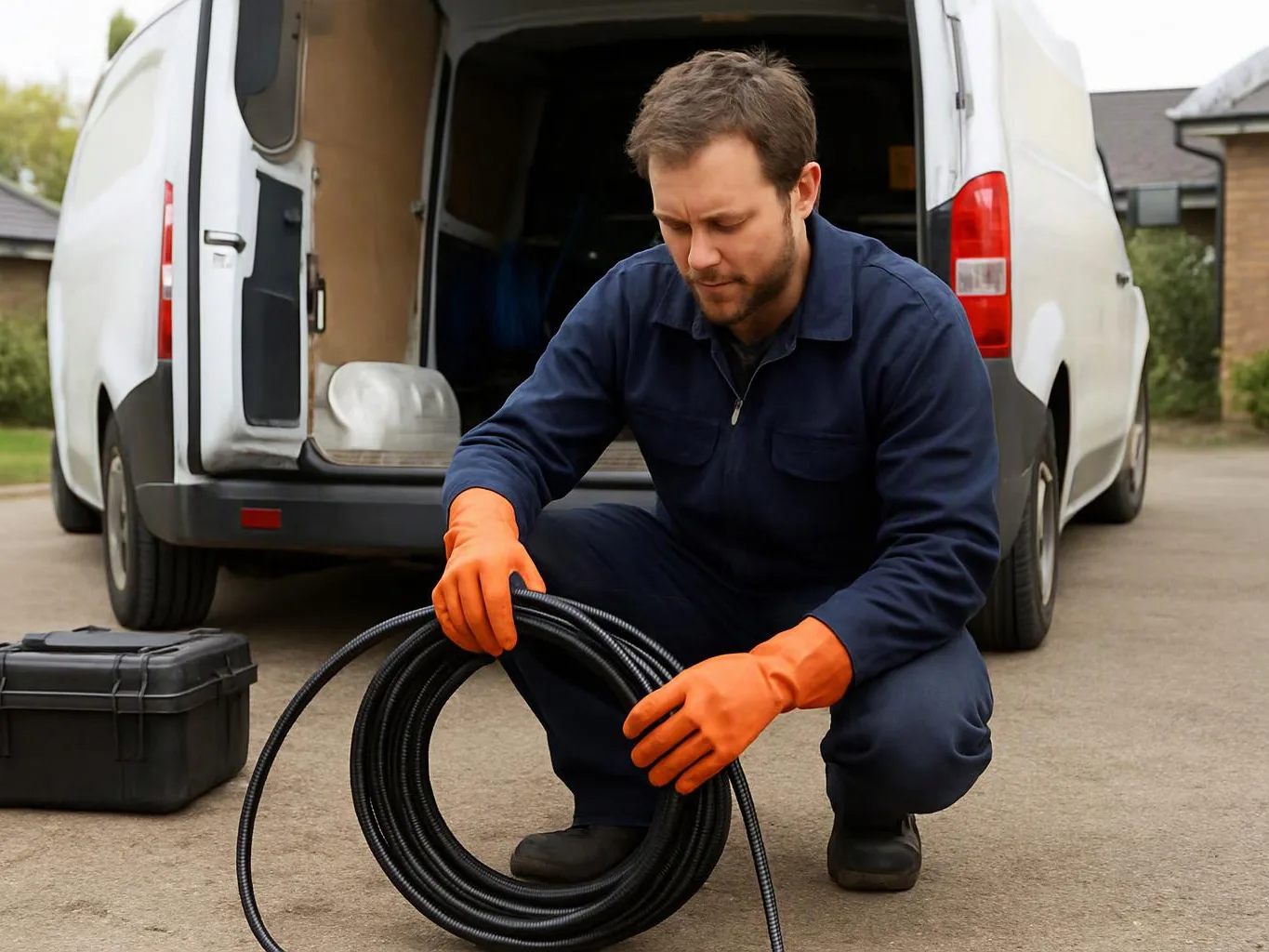
Where should a sump basin be installed?
The sump basin should sit at the lowest practical point where water collects. That location gives incoming water a clear path to the pump. We also check floor stability, access, nearby plumbing, and the discharge route before choosing the final position. A basin placed away from the collection point may leave water standing where the property needs protection.
Who installs a sump pump for a home or business?
PlumbingKentwa.link installs sump pumps for residential and commercial properties. Our licensed and insured professionals assess the basin area, discharge pipe, check valve, and pump connections. We also separate pump work from drain cleaning, sewer repair, or leak detection when those issues need another scope.
How does the installation appointment move from request to completion?
The appointment starts with a review of the water problem and the available access. We then check the lowest point, floor, basin area, discharge route, and nearby plumbing. After we explain the findings, we set the installation scope, connect the system, and review basic maintenance with you.
What part of the job can change the quote?
The discharge route and basin access often shape the quote more than the pump alone. Floor work, added pipe, difficult access, or related leaks can change the scope. We review those conditions before preparing a quote, so the amount reflects the actual property and requested work.
Which signs show that a pump location needs adjustment?
Water that remains outside the basin can show that the pump location misses the lowest collection point. A pump that runs often, discharges poorly, or sends water back may also need inspection. We check the float, check valve, basin position, and discharge pipe before recommending adjustment or replacement.
When should a Clyde Hill property owner request an assessment?
A property owner should request an assessment when water collects below grade, the pump fails to move it, or the discharge path causes return flow. The check can separate a pump issue from a drain, sewer, or leak problem. Keep electrical parts dry and avoid opening connections before service.
Why might a new pump still need regular checks?
Regular checks help identify float problems, blocked discharge piping, stuck check valves, and signs of water entry. The pump still depends on clear access and an open discharge route after installation. We can explain what to watch and which plumbing symptoms should lead to another assessment.