Should I choose a gas or electric water heater?
Operating costs alone should not decide the fuel type because the building must safely support the equipment. Gas models need venting, combustion air, and a suitable fuel line. Electric models need panel capacity and compatible wiring. We compare the current connections, access, and service needs before recommending a gas or electric installation.
What should I check before the installer arrives?
Access around the heater is the main preparation step. Clear stored items, locate the water shutoff, and keep the electrical panel or gas shutoff reachable. Photos of the unit label, connections, and surrounding space also help. Customers should report leaks, water damage, or unusual sounds before work begins.
Which parts can change the installation quote?
Fuel connections, venting, wiring, access, valves, supply lines, and drain work can change the quote. A replacement that matches the existing setup may need less connection work than a fuel conversion. We review those parts before giving the customer a project-specific quote.
When is a leaking water heater a replacement issue?
A tank leak usually points to replacement, while a loose fitting or valve may be repairable. Water around the base can come from the tank, drain valve, supply connection, or relief line. Shut off the water supply when safe, protect nearby items, and request an assessment before the leak spreads.
Why does a new heater need a relief valve?
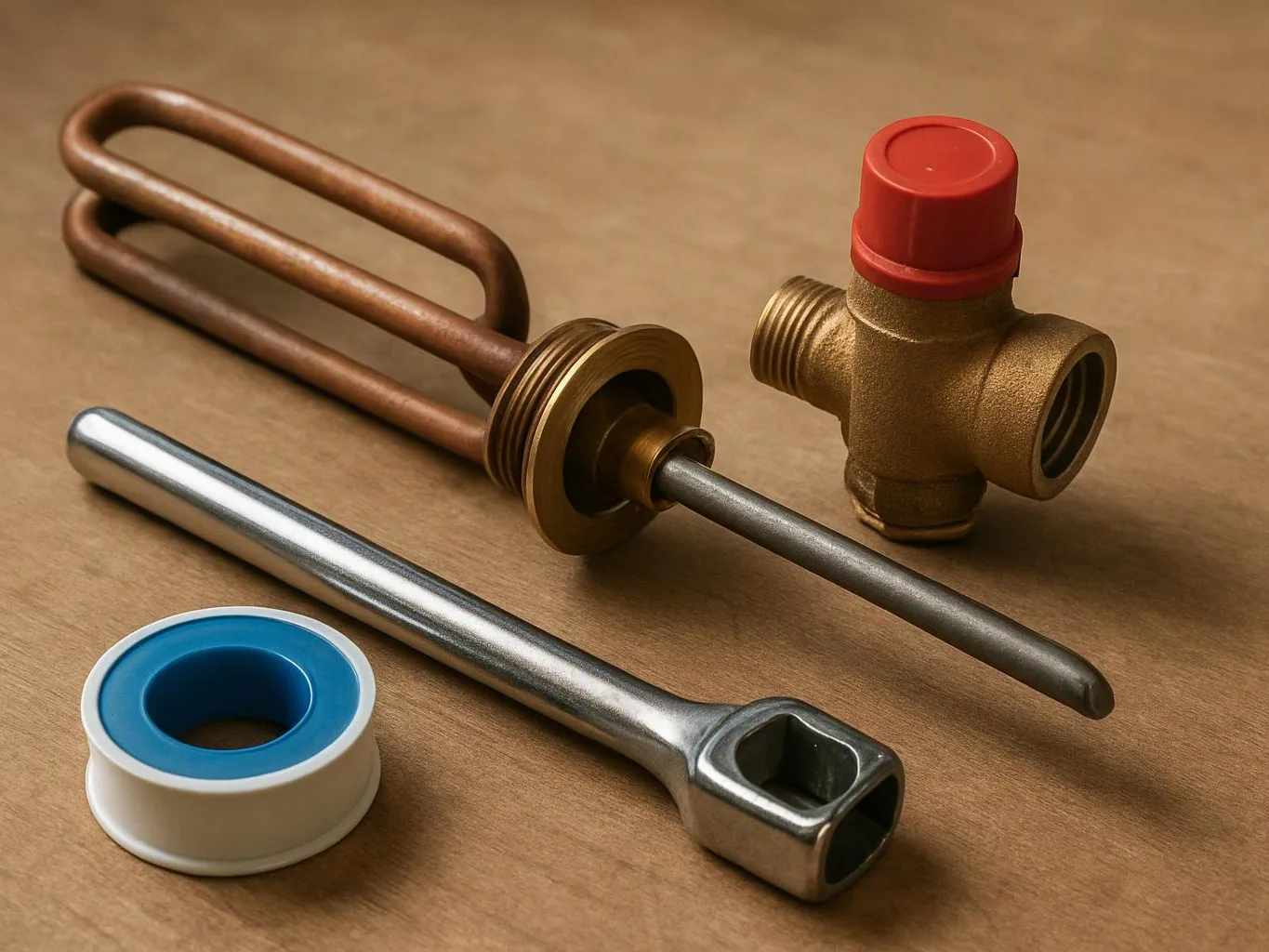
A temperature and pressure relief valve releases water when tank temperature or pressure rises too far. The valve needs a sound connection and a safe discharge path. We check that part during installation and explain what it does. Customers should not cap, block, or remove a relief valve.
How do gas models differ from electric models?
Gas models heat water with a burner, while electric models use heating elements. Gas equipment needs safe venting and fuel connections. Electric equipment needs suitable wiring and breaker capacity. The better fit depends on the property’s existing services, access, and the customer’s operating cost priorities.
What changes when a tankless unit replaces a tank?
A tankless replacement can change water, gas, electrical, venting, and mounting requirements. The existing connections may not support the new equipment without added work. We inspect the current layout and explain the required changes before quoting. A tankless unit is the wrong fit when the property cannot support its service needs.