How does temperature adjustment help prevent water heater problems?
Temperature adjustment helps prevent water heater problems when the control is set and checked for safe operation. A suitable setting reduces strain from excessive heat, while a low setting may leave water too cool. We also check sediment, heating parts, and tank condition because a control change cannot correct every fault.
What part of the property changes the repair scope for Water Heater Repair?
The heater's location changes the repair scope when access, shutoff points, venting, or nearby electrical and water connections limit the work. A tight closet, utility room, or commercial service area may require more preparation. Clear access helps us inspect the tank, controls, valves, and connections before we recommend a repair.
Which materials affect how the repair is carried out?
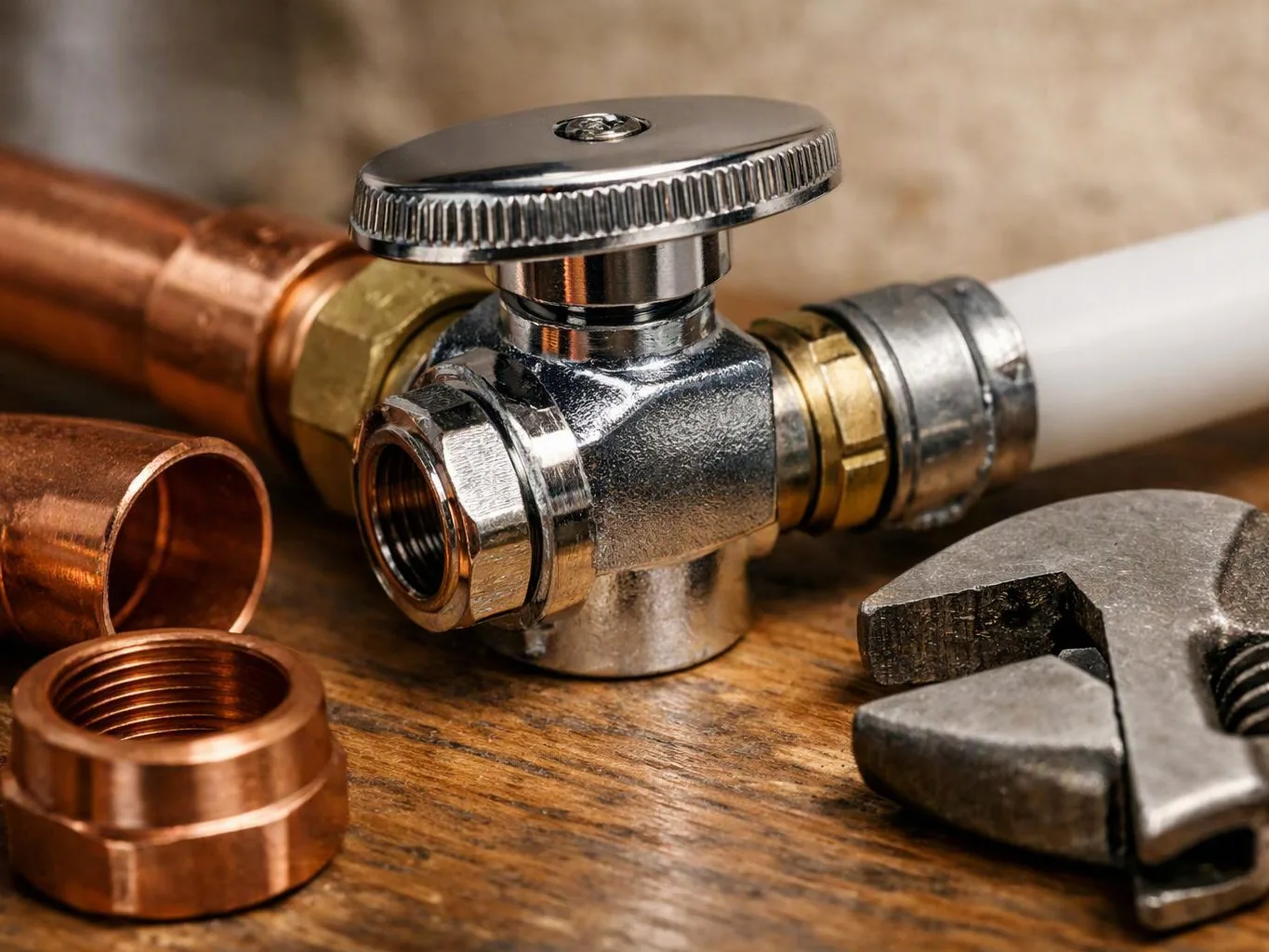
The heater's tank material, pipe type, fittings, and connection layout affect how repairs are carried out. Copper Type L, PEX piping, and PVC Schedule 40 each require compatible fittings and methods. We identify the existing materials before selecting parts, and we explain any access or connection issue that changes the work.
When should I request an assessment for poor hot water?
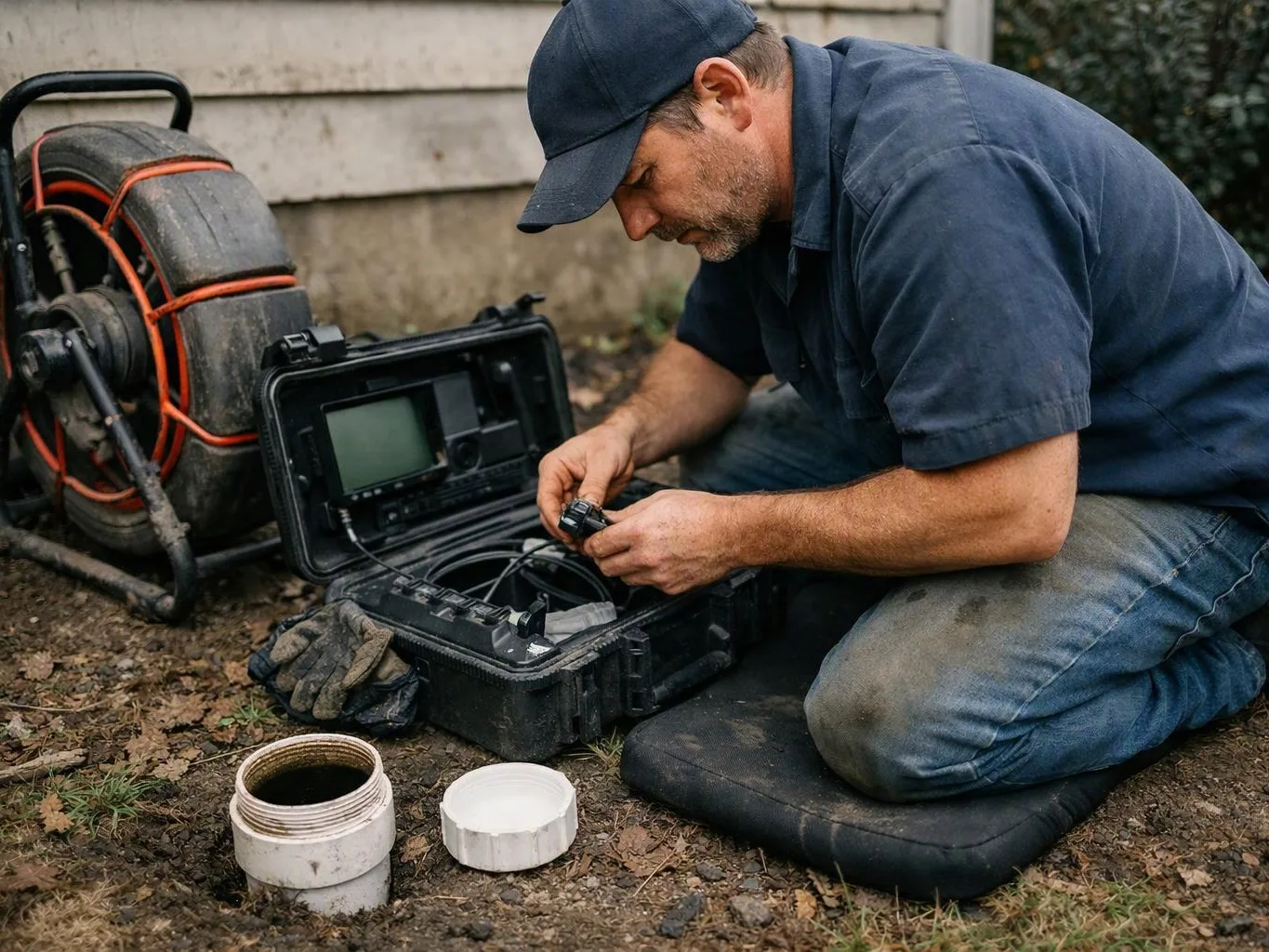
Request an assessment when hot water stays weak, changes sharply, runs out sooner than expected, or appears with leaks or unusual tank noise. Continued use can make a small valve or control issue harder to separate from sediment or tank damage. We inspect the symptom and explain the next repair step.
Why does sediment affect water heater performance?
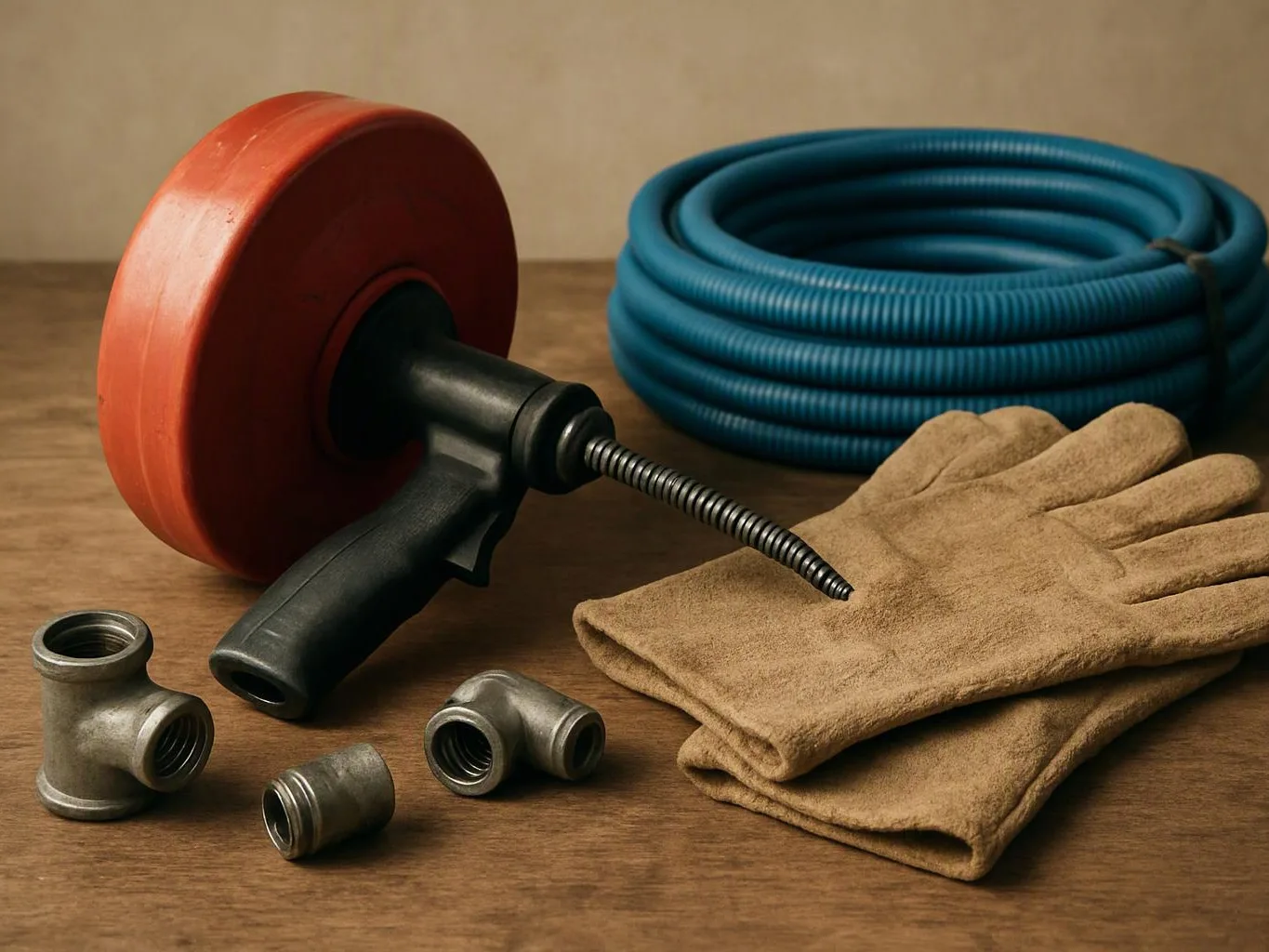
Sediment forms a layer that slows heat transfer and can create popping or rumbling sounds inside a tank. Tank flushing may remove loose buildup, but heavy deposits can require a closer service decision. We check the tank condition before recommending flushing, because an older or damaged tank may need different work.
How do I choose repair or replacement for a leaking heater?
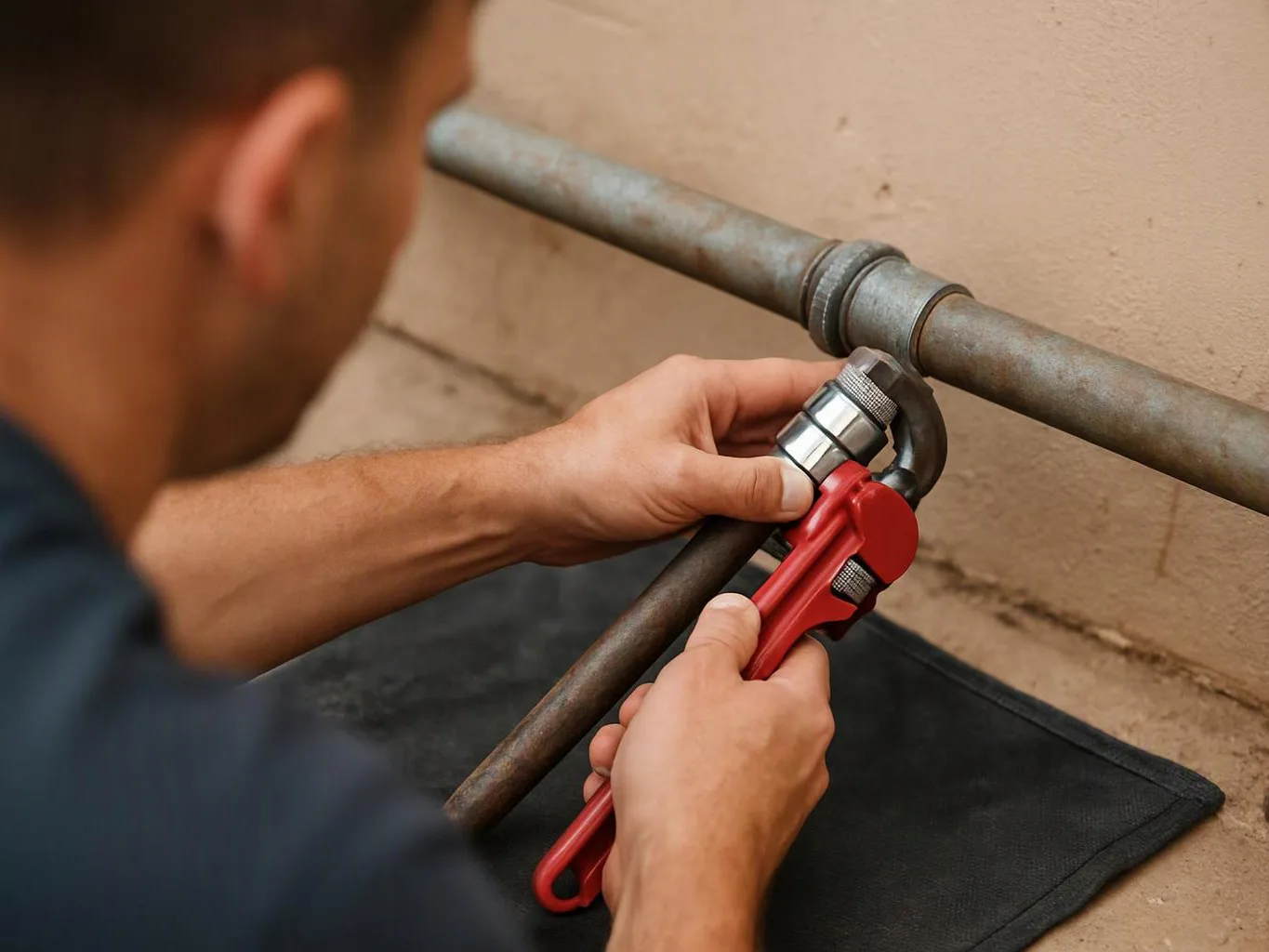
A leaking connection or valve may be repairable, while a failed tank often points toward replacement. The leak source, tank condition, access, and available parts guide that choice. We isolate the visible source, check nearby fittings and safety parts, and explain the repair scope before work begins.
What should a business prepare before a water heater inspection?
A business should keep the heater area accessible and note which fixtures lose hot water. Information about use patterns, recent changes, leaks, and unusual sounds helps focus the inspection. We then check the controls, connections, tank condition, and heating parts while considering how the repair affects the property's daily operation.