Home Plumbing Maintenance: A Practical Inspection Checklist
A home plumbing maintenance checklist covers leaks, shutoff valves, water pressure, drains, fixtures, water heaters, and sewer warning signs. PlumbingKentwa.link uses these checks to identify issues early and connect findings to the right plumbing service.
Request an EstimateWhat Should a Home Plumbing Maintenance Checklist Include?
A home plumbing maintenance checklist should cover visible leaks, water flow, drains, fixtures, shutoff valves, the water heater, and sewer warning signs.
A home plumbing system includes supply pipes that bring water in and drain pipes that carry wastewater away. The checklist should also review plumbing fixtures, accessible shutoff valves, water heater condition, and signs of trouble in the sewer line.
Regular checks can reveal a hidden leak, pipe corrosion, or water damage before the problem spreads. They also help connect a symptom to the right inspection or repair.
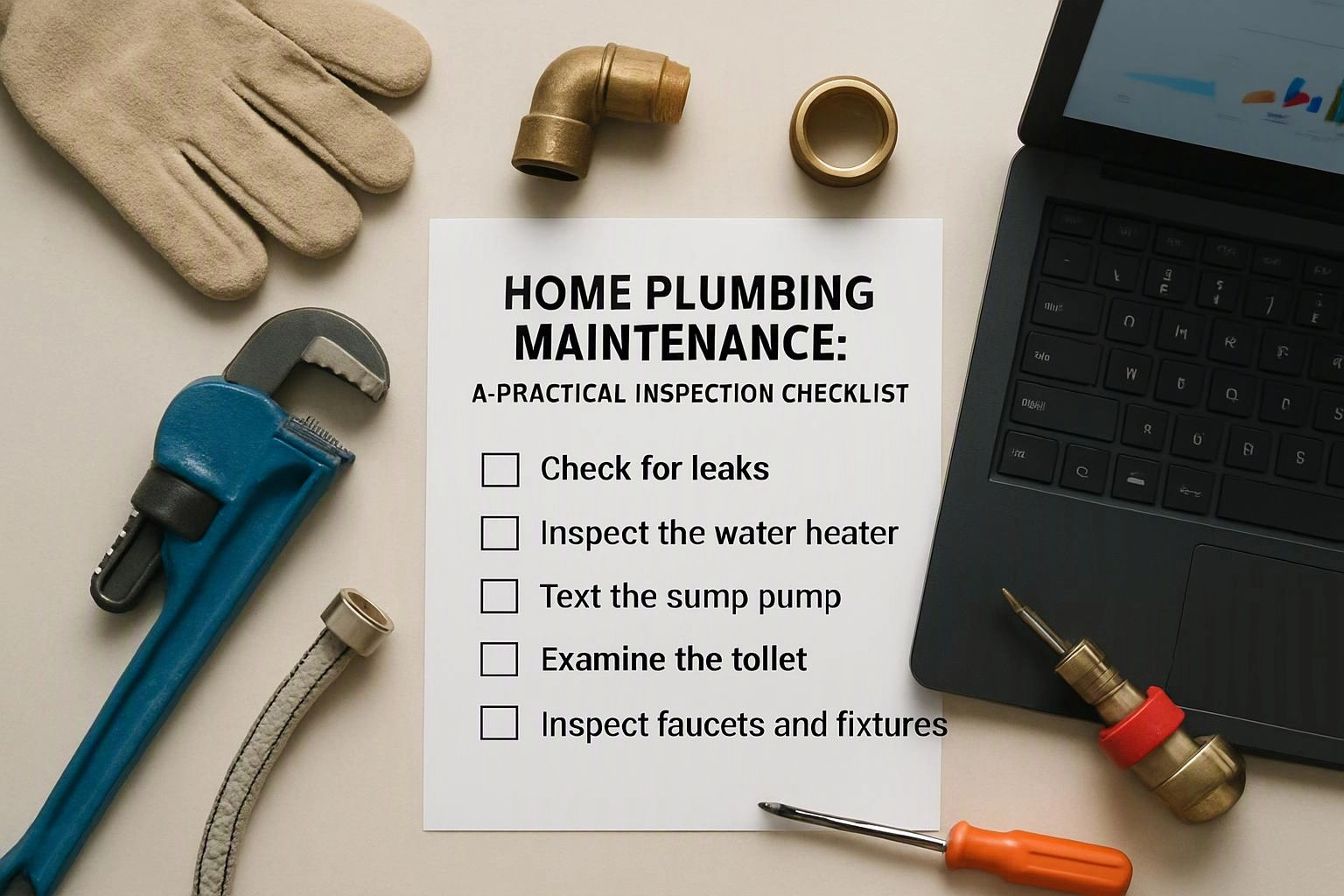
How to Inspect the Plumbing You Can Safely See
A safe home plumbing check starts with visible fixtures and accessible areas, not hidden pipes or regulated repairs.
Use the following inspection checklist, and stop if a task requires tools, confined access, gas work, or electrical work.
How Often Should Home Plumbing Be Inspected?
Home plumbing should be checked regularly and whenever leaks, clogs, water damage, or unusual changes appear.
Routine inspection can be part of normal home maintenance. Seasonal maintenance is useful when weather changes may affect exposed pipes, drains, or outdoor connections.
Older plumbing deserves closer attention because corrosion, worn seals, and aging connections can develop slowly. Schedule a plumbing inspection after remodeling, water damage, or recurring clogs so our team can review affected areas before the issue grows.
What Does a Professional Plumbing Inspection Check?
A professional plumbing inspection checks water delivery, drainage, visible piping, fixtures, the water heater, and signs of hidden leaks or sewer trouble.
Our team connects each observation to the system that may be causing it. We also explain which findings need service and which conditions can be monitored.
| Inspection area | What we look for |
|---|---|
| Leak detection | Moisture, staining, pressure changes, and clues that water is escaping from an unseen area. |
| Water pressure | Flow changes, pressure concerns, and conditions that affect fixtures or supply pipes. |
| Drain flow | Slow drains, backups, gurgling, and signs of a drain blockage. |
| Pipe condition | Accessible pipe material, corrosion, damaged connections, and visible wear. |
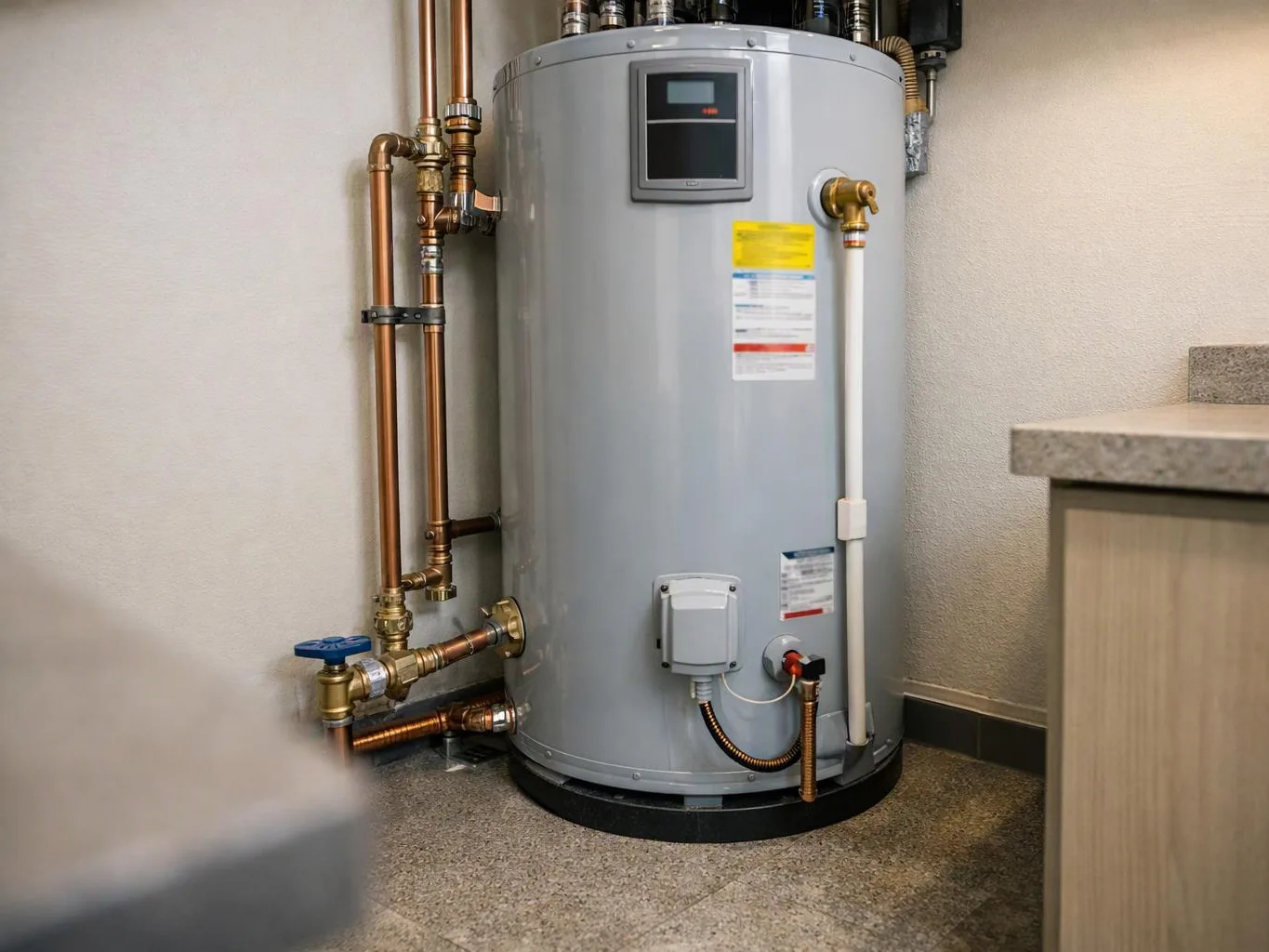
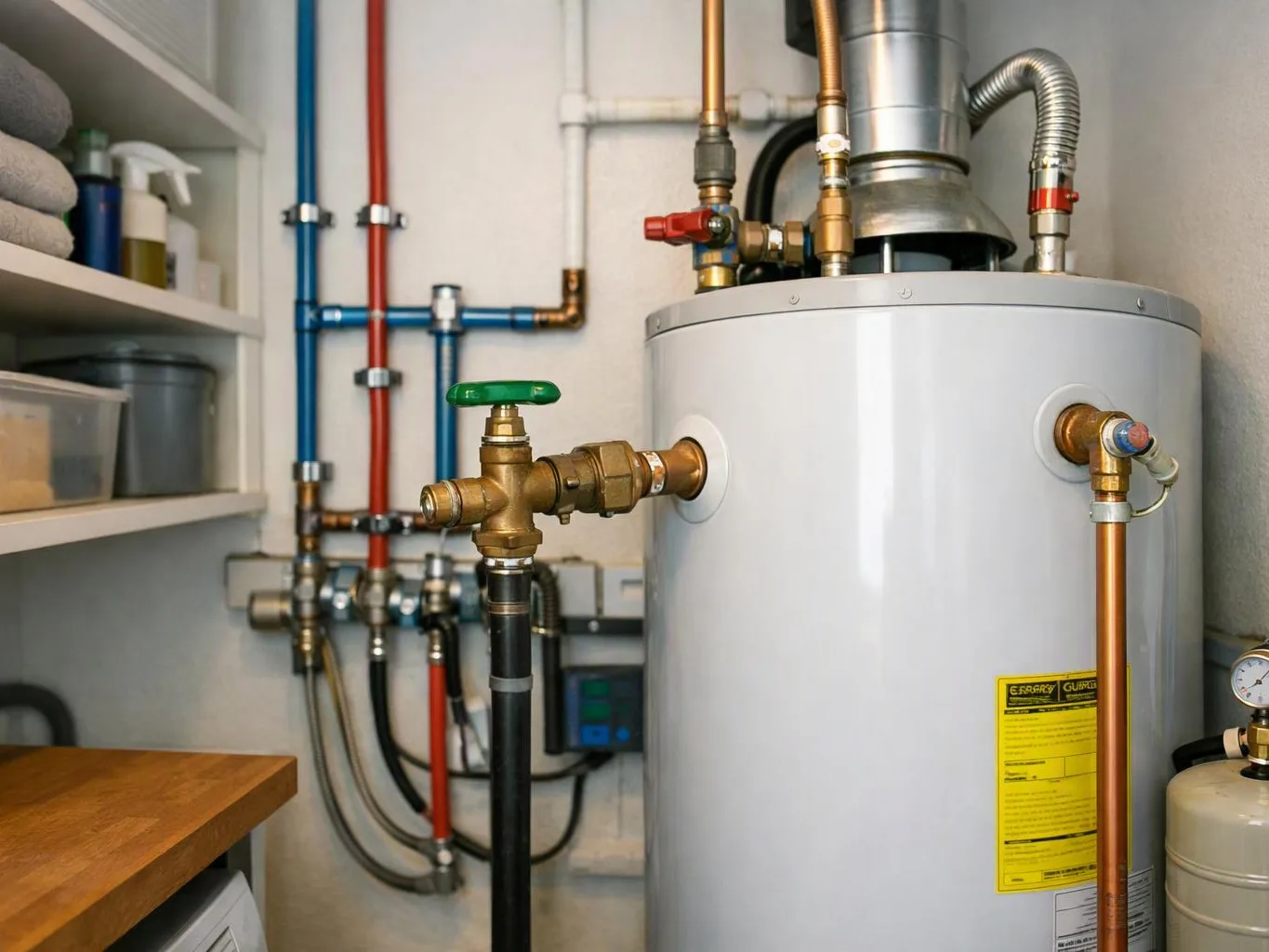
| Water heater | Water heater condition, visible leaks, connections, and signs that service may be needed. |
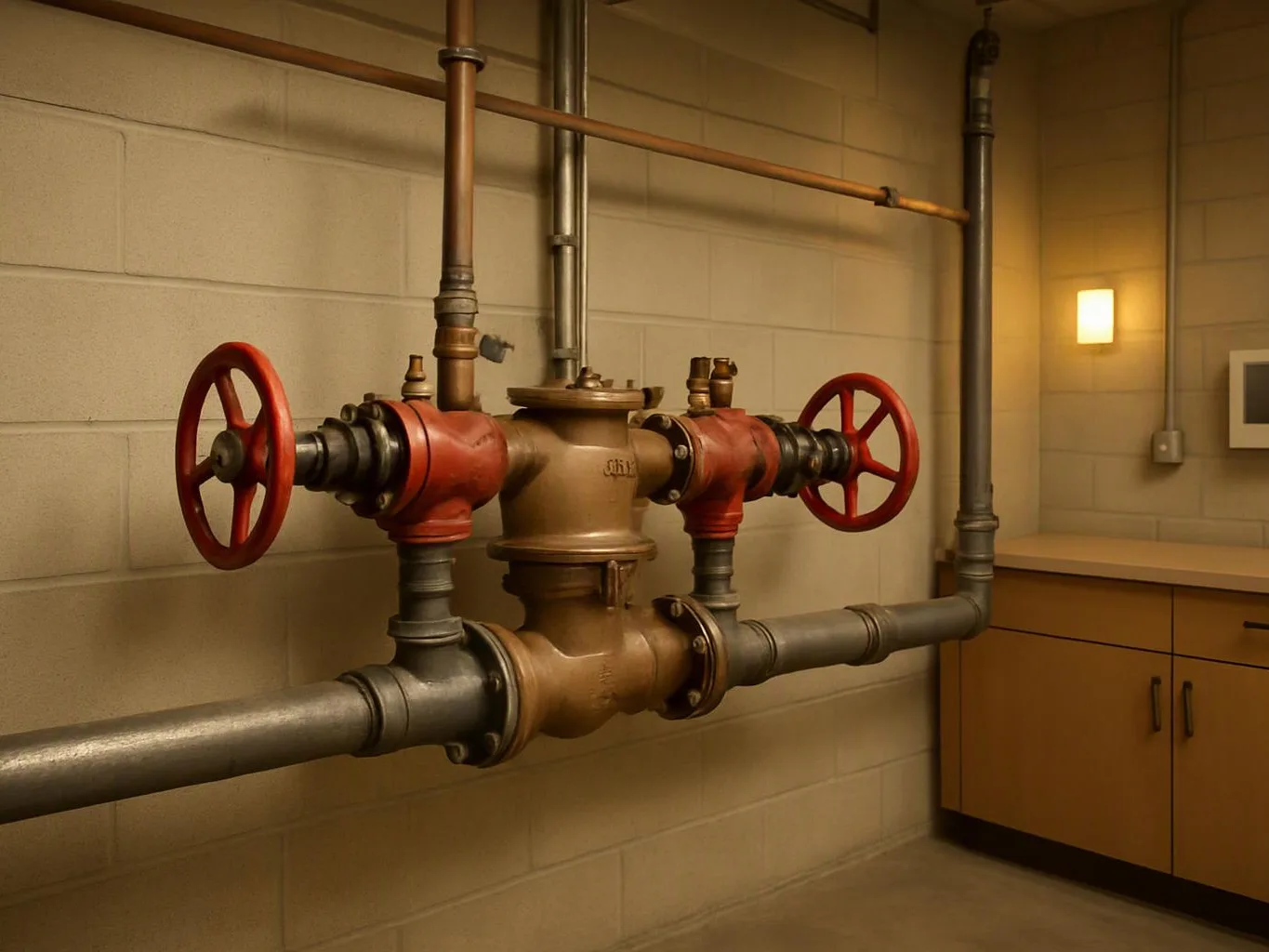
| Shutoff valves | Location, access, visible damage, and whether a valve may need attention. |
| Sewer line | Symptoms that may point to recurring backups, root intrusion, a broken pipe, or another buried-line issue. |
Which Plumbing Warning Signs Need Service?
Plumbing warning signs that need service include persistent leaks, slow drains, sewage odors, unusual pipe noise, and unexplained water changes.
Low water pressure may involve a fixture, supply pipe, valve, or wider system issue. Water stains, warm spots, or unexpected water use can point to a hidden leak.
Slow drains, gurgling drains, and sewage odors may signal a developing drain blockage or sewer backup. Noisy pipes can also show that a connection, valve, or pipe condition needs review.
For suspected hidden leaks, our Leak Detection process helps us trace the concern before repair decisions are made.
When Should You Consider a Sewer Camera Inspection?
A sewer camera inspection should be considered for recurring backups, persistent drain problems, suspected pipe damage, or questions about buried sewer lines.
A camera can help us review a sewer lateral for root intrusion, a broken sewer pipe, or a pipe blockage. This process can clarify whether the problem is near a fixture or farther along the line.
Property purchase decisions may also call for a closer look at buried sewer conditions. Our team uses the findings to explain the problem and identify the next service step.
How We Turn Inspection Findings Into the Right Plumbing Service
We match inspection findings to leak detection, water heater repair, drain cleaning, or sewer camera inspection based on the problem we identify.
Our plumbing diagnosis starts with the reported symptom and the areas we can safely review. We then connect the evidence to the service that addresses the likely source.
A fixture leak may lead to targeted repair, while a water heater concern may require Water Heater Repair. Drain symptoms may call for drain cleaning, and buried-line symptoms may require a sewer camera inspection.
What Information Helps Us Prepare a Plumbing Quote?
The plumbing issue, affected area, access conditions, pipe details, and inspection findings help us prepare an accurate quote.
Share clear notes about what changed and where you first noticed it. Photos of accessible areas can also help our team understand the starting conditions.
Quote details depend on the problem, access, materials, and scope of work. We review those conditions with you before preparing the quote.
Questions About Home Plumbing Maintenance
Can regular plumbing maintenance prevent water damage?
Yes, regular plumbing maintenance can help prevent water damage by revealing leaks, worn connections, and drainage problems early. Maintenance cannot prevent every failure, so visible warning signs still need prompt attention.
What plumbing problems should homeowners never ignore?
Homeowners should never ignore active leaks, sewage odors, recurring backups, water stains, or sudden water pressure changes. These signs can involve hidden leaks, drain blockage, pipe damage, or a sewer line problem.
How can you tell if a leak is hidden behind a wall?
A hidden leak may show through water stains, peeling paint, damp smells, mold, warm spots, or unexpected water use. Our team uses leak detection methods to trace the source before opening finished surfaces.
What should you record before scheduling plumbing service?
Record the affected fixture, leak location, visible damage, access conditions, pipe details, service history, and inspection findings. Photos of safe-to-reach areas can also help us prepare for the visit.