Skip to content

Leak Detection in Kent, Washington

We trace hidden water loss in homes and businesses across Kent. Our checks focus on wet spots, pressure changes, and access to pipes.

5 · 13 ReviewsLicensed & InsuredWarranty AvailableSame-Day Service
Leak Detection helps homes and businesses in Kent locate hidden water loss before damage spreads. At PlumbingKentwa.link, we inspect the signs, trace the likely source, and explain the repair path. A dripping faucet is easy to spot, but a leak behind a wall or below a slab may show only as a wet spot, low pressure, or rising water use. We provide residential and commercial plumbing service, and we're open Monday through Sunday, 7 AM–5 PM.

Our Track Record

Average Rating
5
Customer Reviews
13

What source tracing changes for your plumbing repair

You get a focused repair plan based on the likely leak source.

Early source tracing helps limit unnecessary wall, floor, or cabinet access.

A documented diagnosis helps you compare spot repair and broader pipe work.

What Leak Detection Covers

Leak Detection is a plumbing service that locates the source of hidden or visible water loss.
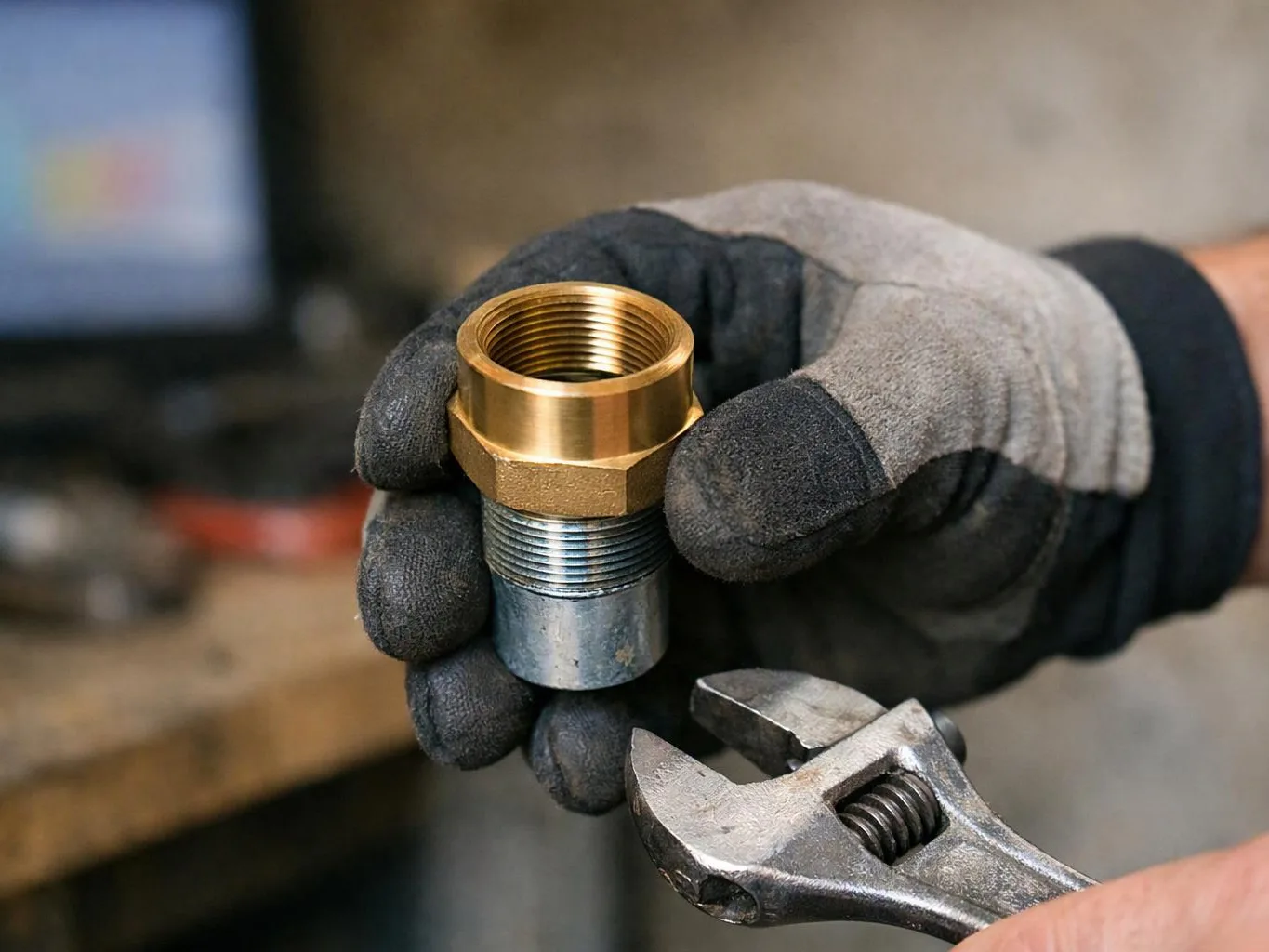
  • Leak Detection differs from leak repair because it identifies the source before the damaged pipe or fitting is fixed.
  • Leak Detection covers residential and commercial plumbing systems across Kent and nearby South King County communities.
Gloved hands hold a brass fitting and an adjustable wrench in a workshop close-up
About

How we trace water loss before repair

Leak detection starts with the symptom and the parts near it. We look at wet spots, damp materials, fixture connections, pipe routes, and changes in water pressure. The source may sit behind a wall, below a slab, or near a water heater. Access matters because the visible mark isn't always close to the leak. We explain what the inspection shows and what repair access may involve. Our recommendation depends on the material, fitting, location, and extent of the water loss. A spot repair may suit one issue, while a wider pipe repair may fit another. Regular maintenance also helps catch small drips before they affect cabinets, flooring, or ceilings.

Process

The leak tracing steps you can expect

1

Record the visible signs

We note where moisture, staining, sound, or pressure change appears and ask what changed before the visit.

2

Inspect nearby plumbing

We check fixtures, shutoff points, supply lines, drain connections, and exposed pipe for signs that connect to the symptom.

3

Narrow the source

We compare the symptom location with the pipe route and isolate the most likely source before discussing access.

4

Explain the repair path

We describe whether the issue points to a fitting, a section of pipe, or a concealed area that needs further access.

What to prepare before leak tracing

A few details help us start with the right part of the plumbing system.

  • Note when the wet spot, sound, or pressure change first appeared.
  • Keep the area around sinks, water heaters, and visible pipes accessible.
  • Photograph stains, damp flooring, or cabinet moisture before cleanup.
  • Tell us whether the symptom changes when fixtures are used.

Our Standard

Clear Service Explanation

We explain the suspected source, recommended access, repair choices, and pricing before beginning leak detection work.

Professional Workmanship

We use trained personnel and appropriate equipment to trace water loss and assess exposed fittings and pipe sections.

Clean Work Areas

We protect nearby floors, cabinets, and furnishings during inspection and leave the work area clean after service.

Customer Reviews for Leak Detection in Kent

5(13 Customer Reviews)View our Google Business Profile
Bruce Morehead
Bruce Morehead
10 months ago
Verified on Google
Ryan was so helpful and friendly, and extremely knowledgeable. Thank you so much!!
Michael Melvin
Michael Melvin
a year ago
Verified on Google
Incredibly polite service. Answering all my questions. Done in a timely manner.
tracy dunbar
tracy dunbar
Local Guide9 months ago
Verified on Google
Great service, good quality and you can't beat their pricing.

Questions about tracing hidden plumbing leaks

Can a plumber figure out where a hidden leak is coming from?

PlumbingKentwa.link can trace many hidden leaks by connecting moisture, pressure changes, pipe routes, and fixture use. We inspect accessible fittings and compare the visible symptom with nearby plumbing. Acoustic leak detection, thermal imaging, or a pressure test may help when direct access is limited. We explain the likely source before discussing repair access.

What changes the cost of leak detection work?

Leak detection cost depends on the source location, access, pipe material, property type, and inspection method required. A visible fitting may need less investigation than a leak below a slab or behind a finished wall. We explain the diagnosis, recommended work, and pricing before service begins, so you can decide how to proceed.

What should I do if water is leaking behind a wall?

Water behind a wall calls for prompt isolation and a focused inspection. Close the nearby fixture shutoff or main water valve if it is safe and accessible, then keep people away from wet electrical areas. We can trace the plumbing source and explain whether the repair needs a small opening, pipe work, or further access.

Does leak detection include the repair?

Leak detection identifies the likely source, while the repair addresses the damaged pipe, fitting, or fixture. We provide leak repair and pipe repair, so we can explain the next work after the source is identified. The repair choice depends on the material, location, access, and condition of the affected plumbing.

Who provides leak detection for businesses in Kent?

PlumbingKentwa.link provides leak detection for commercial properties in Kent. We account for access near equipment, staff areas, customer spaces, and active plumbing fixtures. Share the affected area and any operating limits when requesting a quote. We can then explain the inspection scope and the repair decisions that follow.

Can low water pressure point to a hidden leak?

Low water pressure can point to a hidden supply leak, but it can also involve a fixture, shutoff, or other plumbing restriction. We compare pressure symptoms across accessible fixtures and inspect nearby pipe connections. The result helps separate a leak concern from a fixture or pipe-flow issue before repair work is selected.

Common Mistakes With Leak Detection

  • Ignoring a small damp spot can let water reach flooring, drywall, or cabinets. We trace the source before the mark spreads.
  • Replacing a fixture without checking the supply connection can leave the leak active. We inspect the valve, fitting, and pipe beside it.
  • Opening a wall based only on the stain can create needless access work. We compare the stain with pipe routes and moisture signs first.
  • Treating low pressure as a fixture problem can miss a supply-side leak. We check accessible fixtures and pipe sections before recommending repair.

Key Points About Leak Detection

  • Wet spots don't always mark the leak source.
  • Low pressure can involve a concealed supply leak.
  • Pipe material and access shape the repair choice.
  • A pressure test can help confirm a supply-side concern.
  • Leak tracing comes before the repair decision.
Contact

Request a Leak Detection Quote in Kent

Ask about leak detection for your home or business, and urgent requests get priority scheduling.
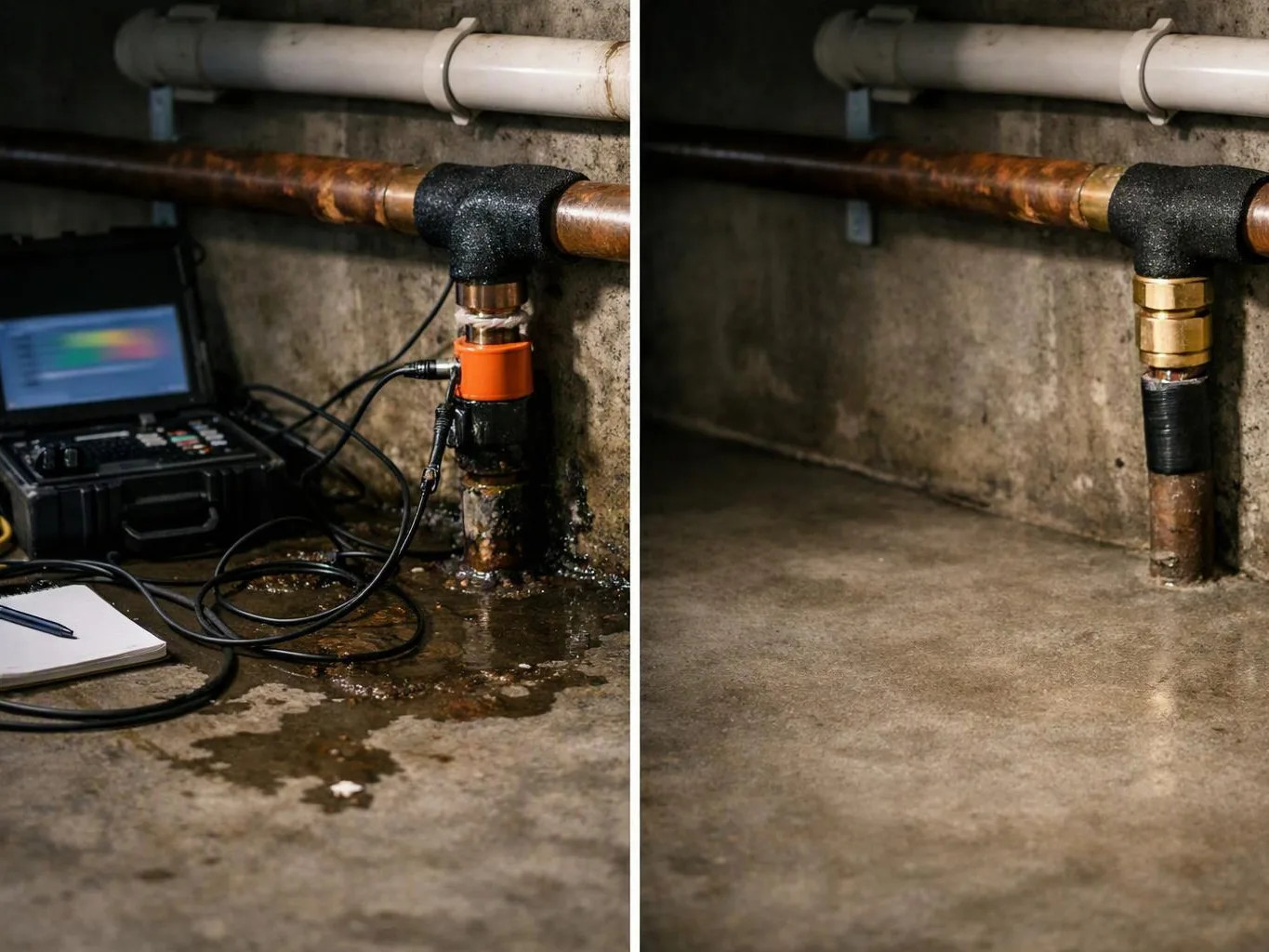
Split view of a corroded pipe with a wrapped leak sensor, water pooling on the concrete floor
Scenarios

When Customers Call Us About Leak Detection

1

Ceiling stain after fixture use

A ceiling stain may appear below a bathroom, kitchen, or pipe route, while the source sits above the marked area. The timing matters, especially if the stain grows after a fixture runs. Keep the area clear and note which fixtures affect it. We can trace the moisture path and explain the access needed for repair.

2

Business space with damp flooring

Damp flooring can disrupt a shop, office, or other commercial space and may come from a supply line, fixture connection, or nearby plumbing. Access around equipment and customer areas affects the inspection. Move loose items away from the wet area, protect the space from foot traffic, and share any times when the moisture appears.

3

Recurring leak after a patch

A recurring drip after a small repair suggests the original source may not have been fully traced, or another nearby fitting may be involved. The pipe material, connection type, and water pressure all matter. Keep records of the earlier repair and show the affected area so we can compare the old symptom with the current one.
Our Other Services

Drain CleaningSlow sinks and backed-up showers make daily routines frustrating. We clear hair, grease, soap buildup, and food debris from household drain lines, leaving wastewater moving freely again.
Emergency PlumbingA burst pipe, overflowing toilet, or sudden loss of water needs prompt attention. We locate the failure, shut down the affected supply, and restore safe plumbing before damage spreads through your property.
Sewer Line RepairA damaged sewer line can cause foul odors, sewage backups, and wet patches outdoors. We repair cracked or separated sections and restore reliable wastewater flow with less disruption than replacement.
Water Heater RepairCold showers, rusty water, or unusual tank noises can signal water heater trouble. We inspect heating elements, thermostats, anode rods, and relief valves, then repair the cause of the failure.
Water Heater InstallationA failing tank leaves your household without reliable hot water. We install properly sized conventional water heaters, connect the hot and cold lines, and check temperature, venting, and safety controls.
Sump Pump RepairA failed sump pump leaves basements vulnerable during heavy rain or rising groundwater. We check the float switch, check valve, discharge pipe, and pump motor, then restore dependable water removal.
(425) 475-3519