Which plumbing problems need attention right away?
Burst pipes, major leaks, sewage backups, no water, and frozen pipes need immediate attention. These faults can spread water, affect sanitation, or stop essential service. A running toilet or dripping faucet may need repair but is less urgent when no damage is spreading. We help separate an active emergency from a problem that can be scheduled.
How does a plumber locate a hidden water leak?
Leak detection traces water loss by checking visible moisture, pressure, accessible fittings, and connected supply lines. Wall or ceiling stains can sit away from the actual failure, so the first visible spot may not identify the source. The repair plan depends on the pipe location, access, and whether the line needs a spot repair or replacement.
What changes the repair plan for a sewer backup?
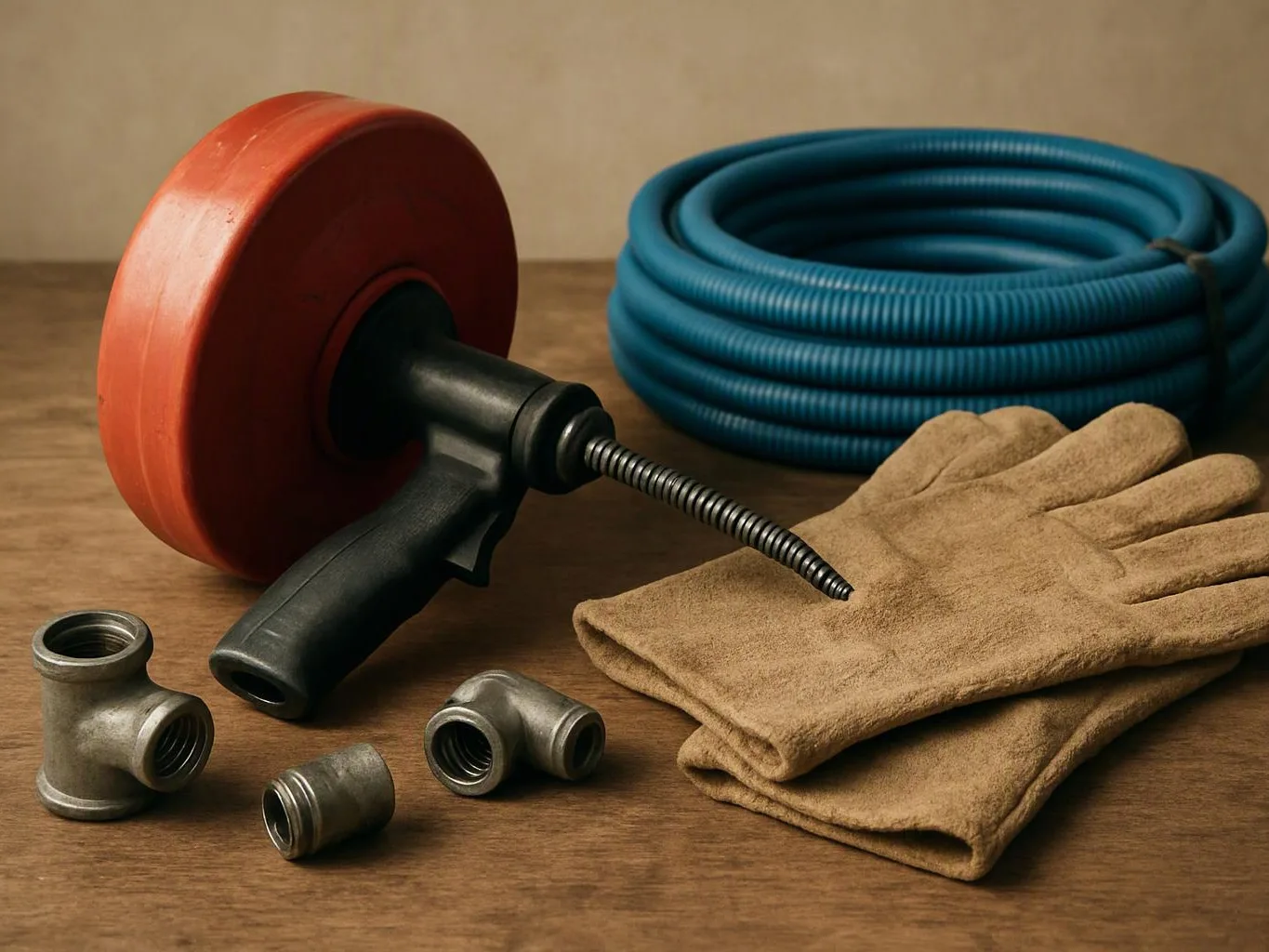
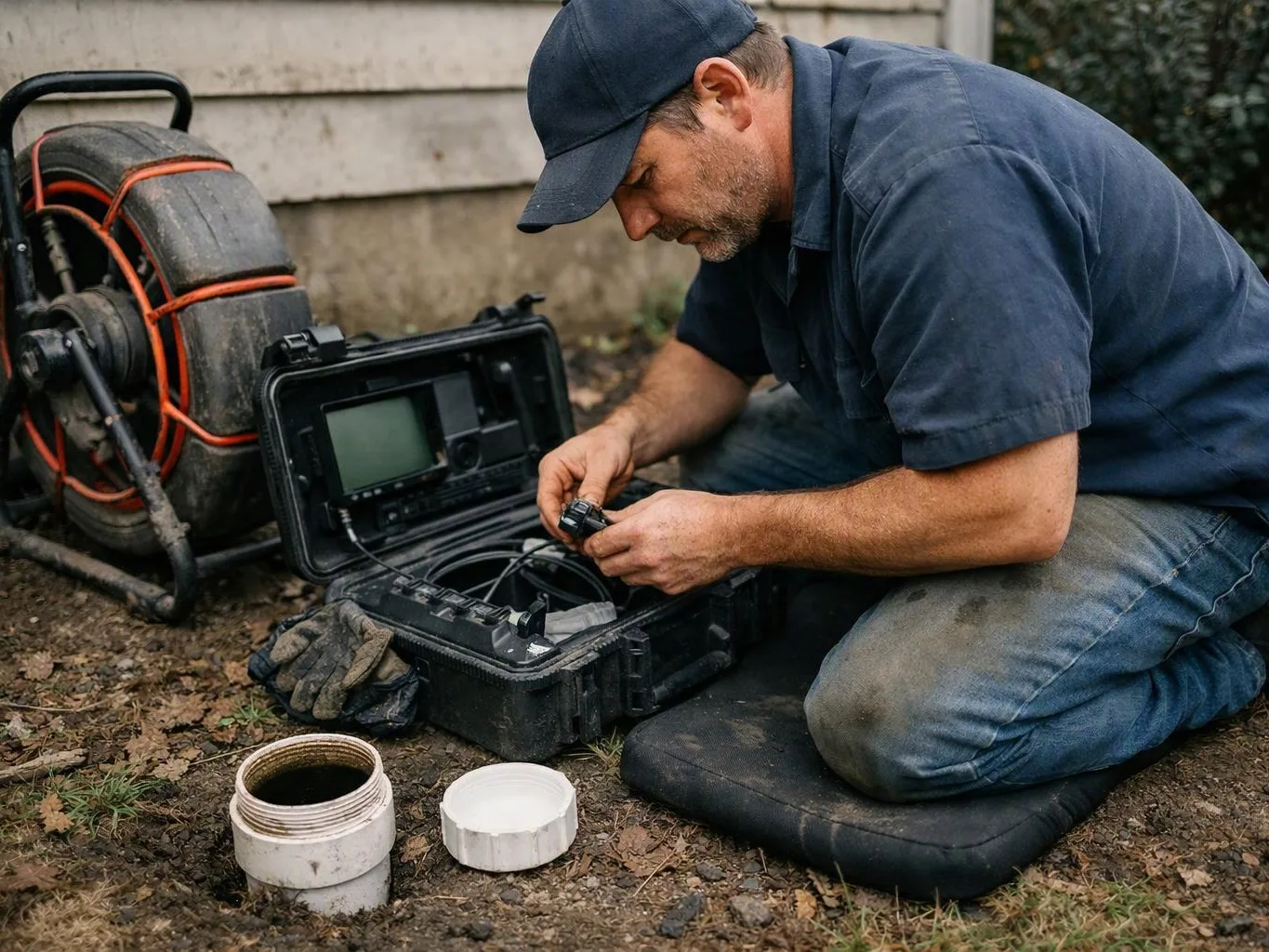
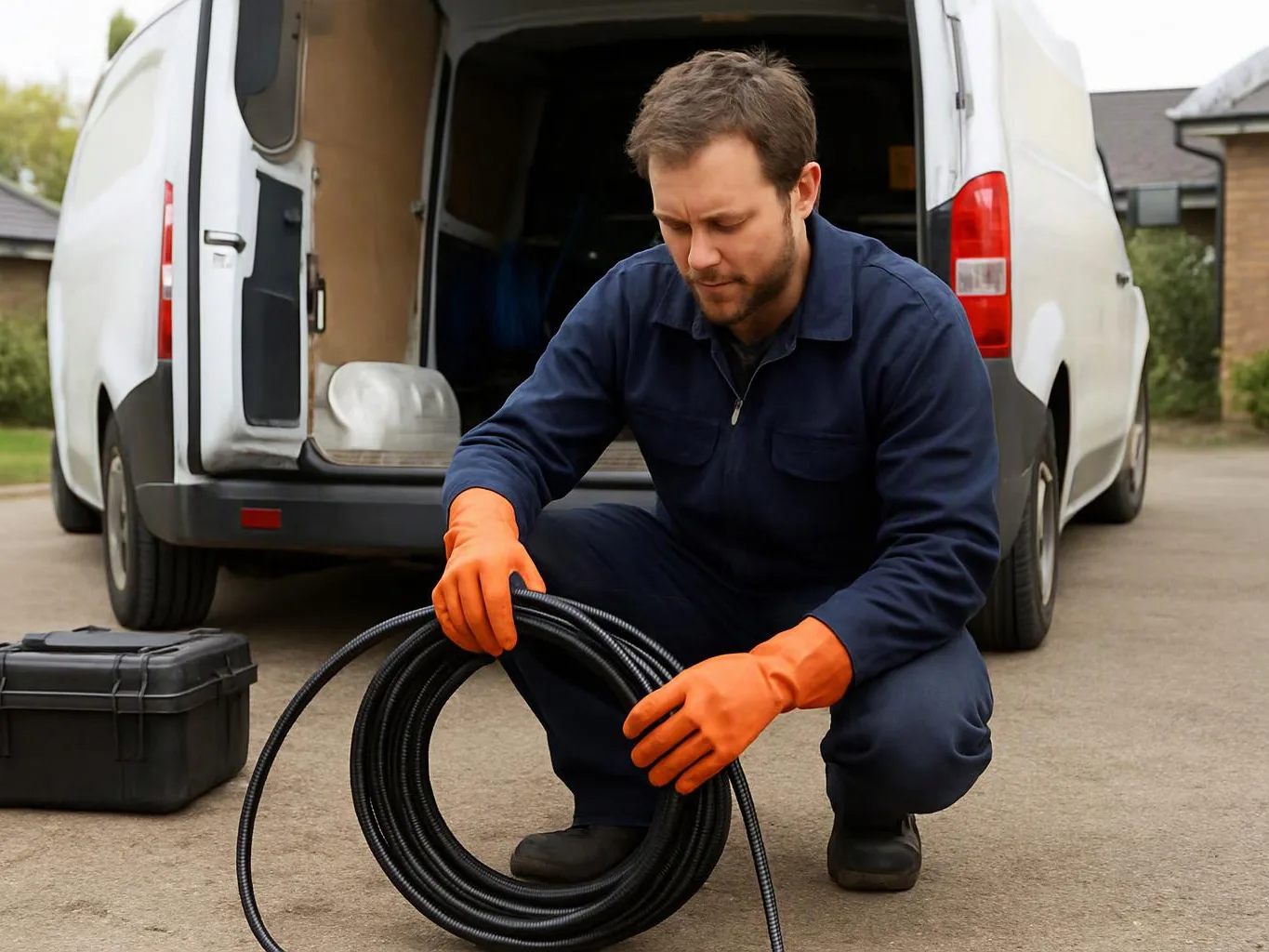
The affected fixtures, drain flow, blockage location, and pipe condition change the repair plan. A main line snake may clear an obstruction, while a sewer camera inspection may be needed when the cause is hidden. Keep people and pets away from sewage, and tell us whether more than one drain is backing up.
Can a homeowner handle an urgent leak without a plumber?
A homeowner can shut off an accessible fixture valve or main water supply, but active or hidden leaks need a plumbing assessment. Electrical hazards, spreading water, damaged walls, and sewage require extra care. Avoid opening walls or using harsh drain chemicals before the source is known, since those steps can complicate diagnosis and repair.
What should I report when requesting an emergency assessment?
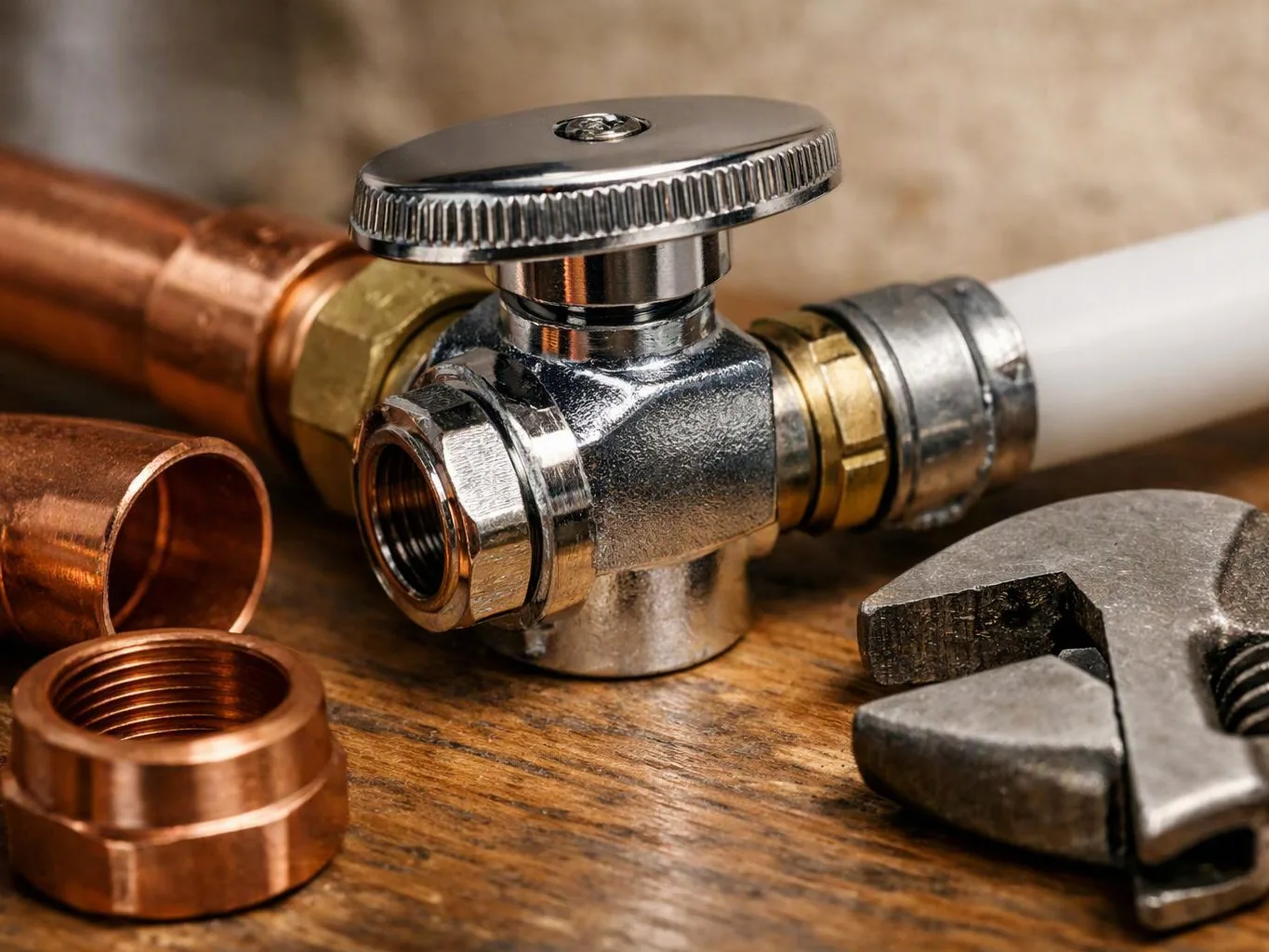
The affected fixture, water location, shutoff status, drainage symptoms, and property type give us useful starting details. Photos of the leak, water heater, valve, or drain opening can also help explain access. Mention whether water is spreading, sewage is present, or the whole property lacks water so the job can be scoped accurately.
When does a plumbing issue become a major leak?
A plumbing issue becomes a major leak when water keeps spreading, reaches electrical areas, damages ceilings or floors, or cannot be controlled at a fixture valve. A slow drip still needs attention if it enters a wall or cabinet. We inspect the source and connected line so the repair addresses the active loss.
Why might a property have no hot water during an urgent call?
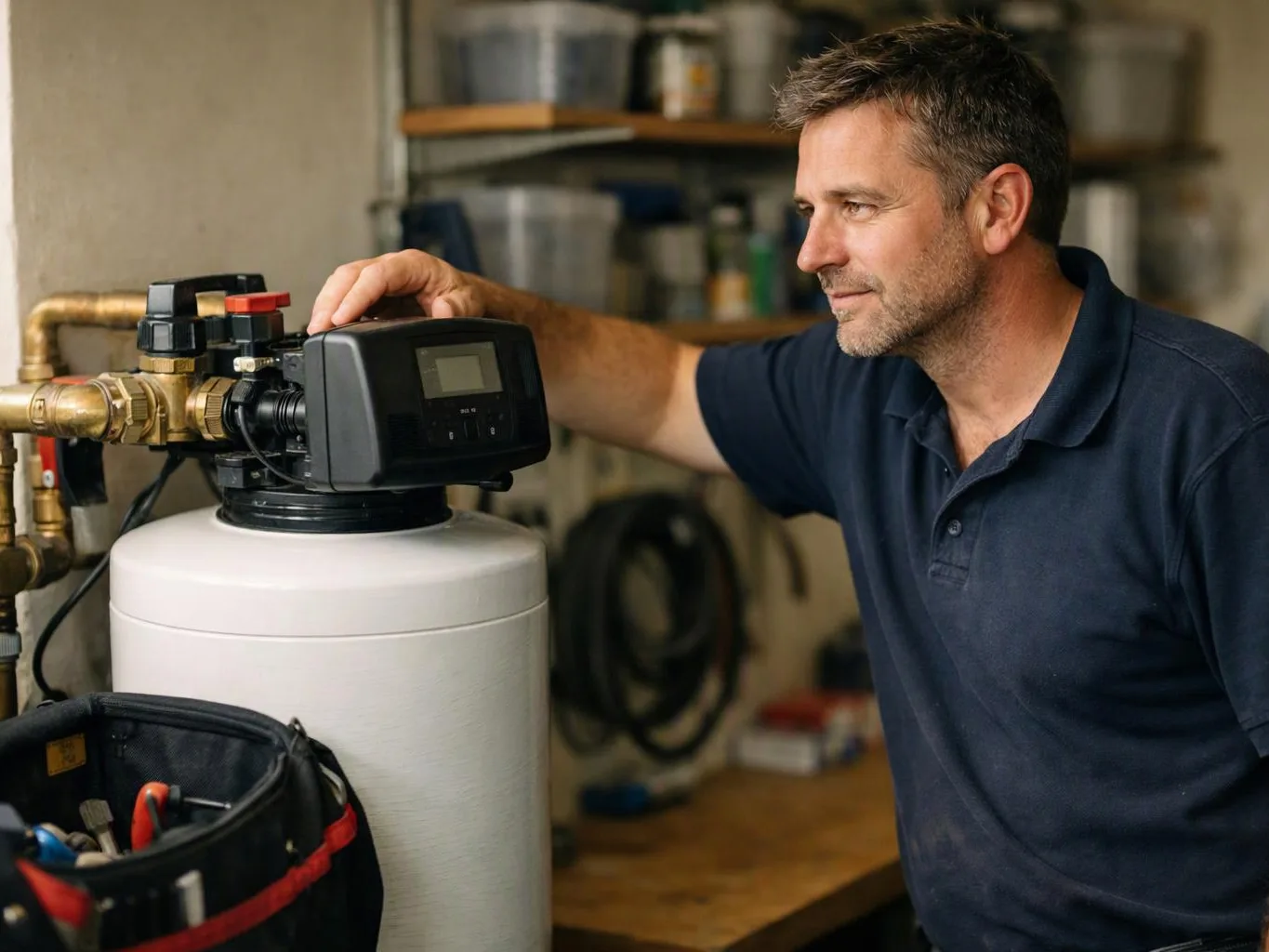
No hot water may result from a failed water heater part, supply issue, control fault, or damaged connection. We check the heater, valves, visible piping, and water flow before recommending repair or replacement. A leak near the heater needs prompt isolation, while a simple heating fault may require a different service path.