How can I tell whether wall damage means a plumbing leak is serious?
Wall damage is serious when the surface stays wet, spreads, softens, or appears with pressure changes. A hidden supply line, drain, or fitting may be leaking behind the wall. We inspect nearby plumbing and trace the moisture path before repair. Stop using fixtures near the area when use makes the damage grow.
What should I share when requesting an urgent plumbing assessment?
The affected fixture, visible damage, water flow, and shutoff location are the most useful details. Photos can show stains, exposed pipes, ceiling marks, and fixture connections. Mention prior repairs, recurring drain symptoms, or no hot water. Those details help us plan the first inspection and identify access needs.
Which plumbing symptom points to a supply line problem?
A sudden pressure change with wet surfaces or continuous water flow can point to a supply line problem. A single dripping faucet usually points to the fixture or its connection. We compare pressure, fixture behavior, shutoffs, and exposed piping. Leak detection then helps locate water that travels behind walls or below surfaces.
When does a clogged drain need more than basic drain cleaning?
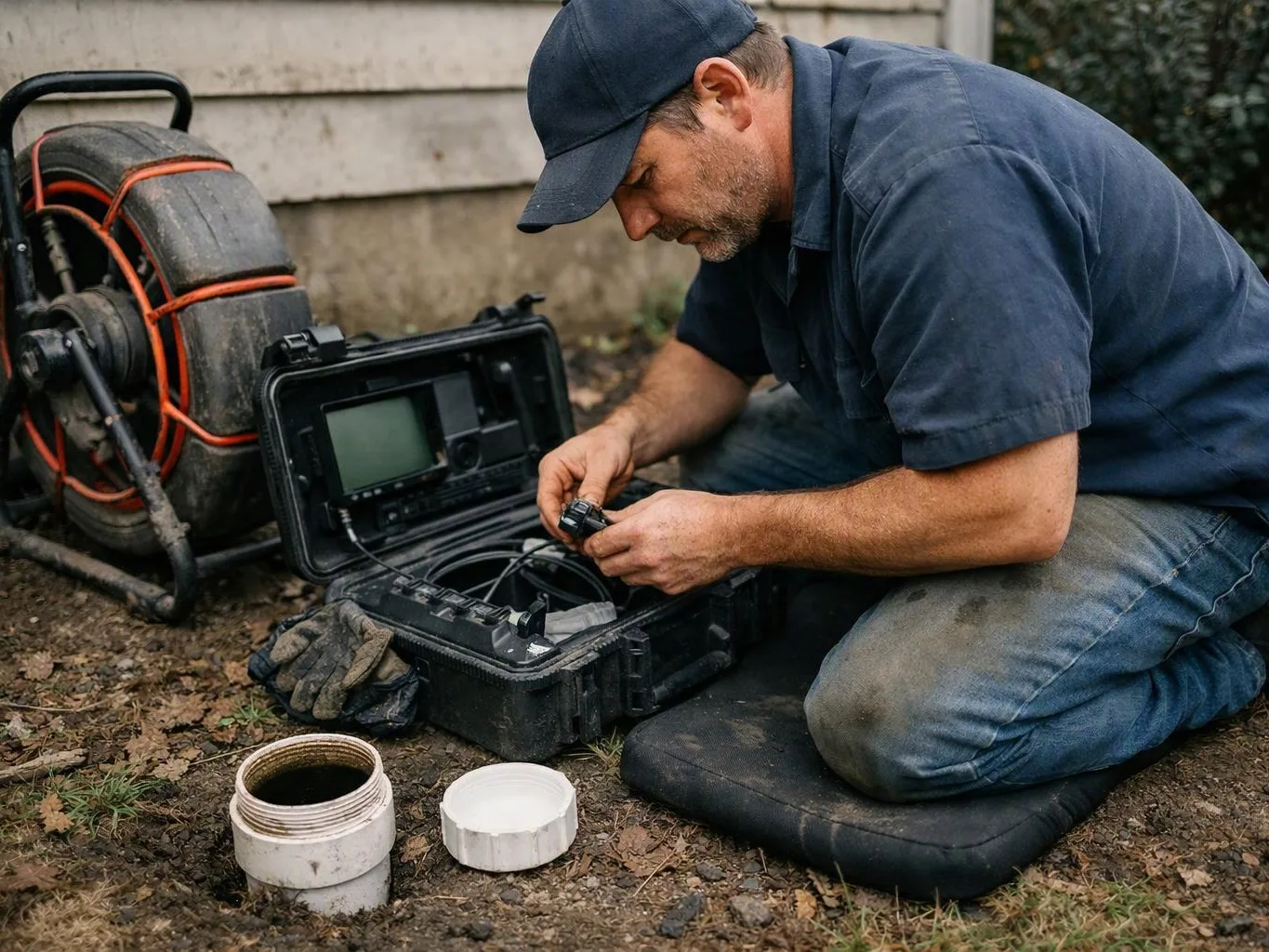
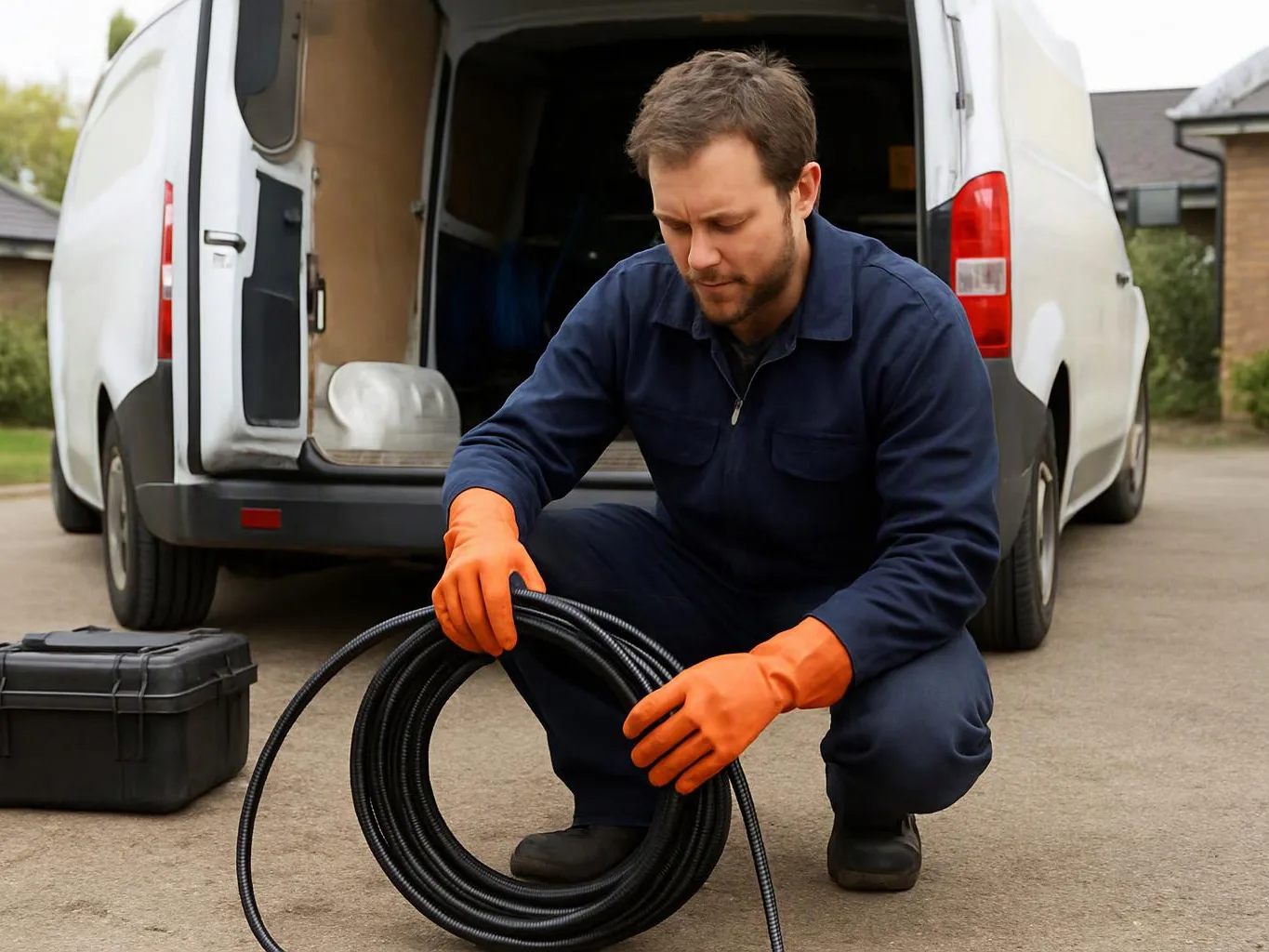
A recurring blockage, gurgling toilet, sewer smell, or backup at more than one fixture needs deeper diagnosis. Main line snaking may clear a blockage, but a sewer camera inspection can show pipe damage or a persistent obstruction. We choose the method after checking the affected fixtures and drain path.
Why can low water pressure appear with ceiling stains?
Low water pressure and ceiling stains can occur together when a supply pipe leaks before water reaches a fixture. The leak may also be unrelated to the pressure change. We check accessible supply lines, shutoffs, fixtures, and the area above the stain. The findings determine whether pipe repair or a separate ceiling source needs attention.
How does pipe corrosion change the repair decision?
Pipe corrosion can turn a small leak into a broader pipe repair problem. Localized corrosion may allow a spot repair, while weakened sections can call for replacement. We inspect the exposed pipe, fittings, leak location, and surrounding condition. Surface restoration should wait until the plumbing source is controlled.
What makes an urgent plumbing call different from planned plumbing work?
Urgent plumbing work addresses active water loss, sewage, dangerous damage, or a failed essential fixture. Planned work covers upgrades, installations, maintenance, and improvements that can be scheduled around the property. We focus first on isolation and diagnosis during an urgent call, then explain any later repair or replacement work.