For Sump Pump Installation, which sump pump type suits my basement?
The Primary pump should match the basin depth, water level, access, and discharge layout. A submersible pump sits inside the basin, while a pedestal pump keeps its motor above it. We inspect the basin and float space before recommending the setup. A battery backup can be considered when power loss could leave the basement exposed.
Who installs sump pumps for local homes and businesses?
PlumbingKentwa.link installs sump pumps for residential and commercial properties. We check the basin, pump intake, float switch, discharge pipe, and power connection before completing the work. Our licensed and insured professionals also handle related plumbing installations, so one assessment can address connected pipe concerns.
What part of the property changes the installation scope for Sump Pump Installation?
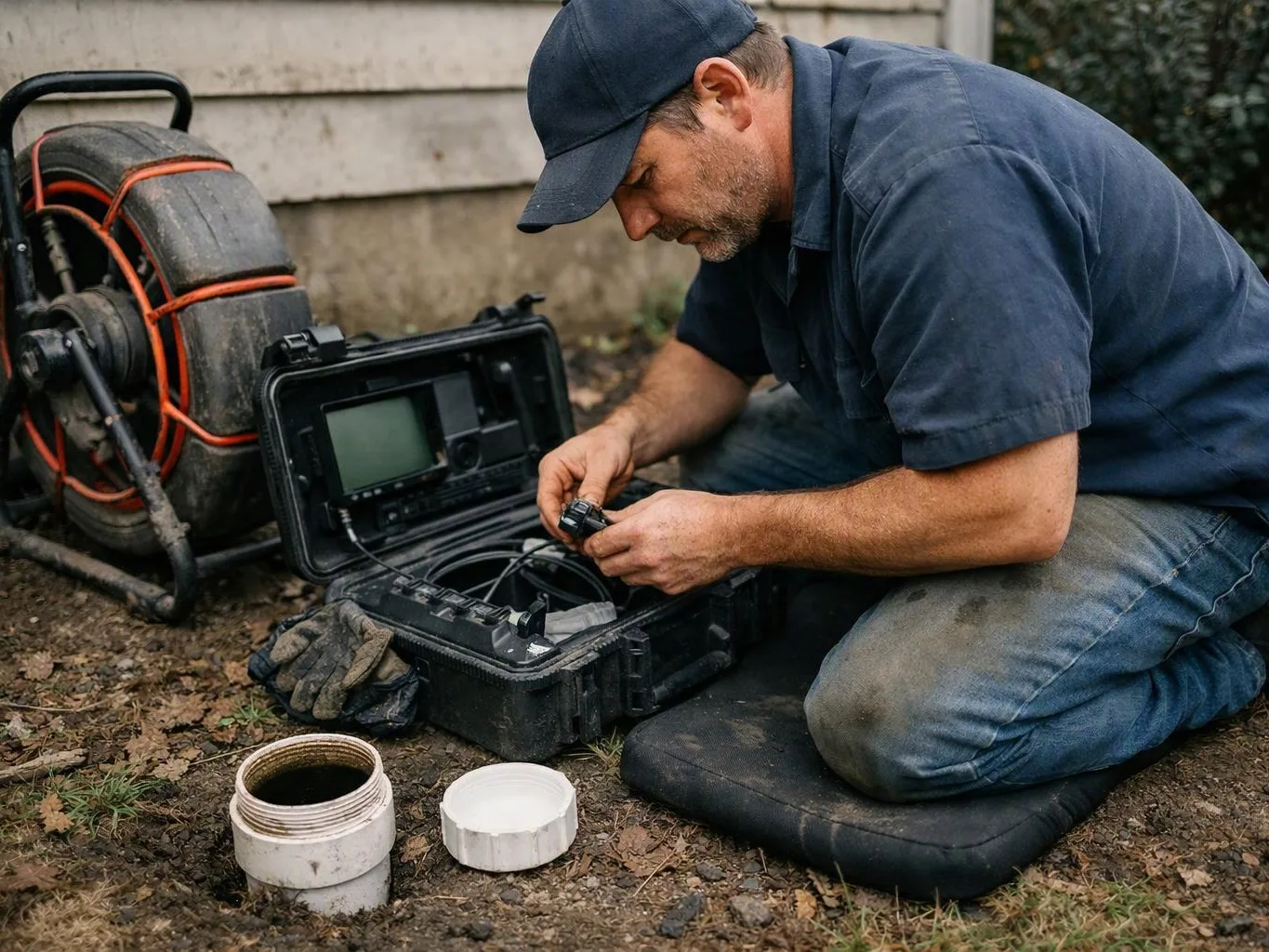
The sump basin and discharge route usually decide the installation scope. A tight basin, damaged pipe, blocked outlet, or difficult access can change the work needed. We also check where water enters the basin and whether the existing electrical connection suits the pump. Those findings shape the quote.
How does the installation move from assessment to testing?
The installation moves from basin inspection to pump selection, discharge connection, and operation testing. We first check the basin and float, then connect the pump and pipe. The final test confirms that the float activates the pump and that water leaves through the discharge line.
When should I replace a sump pump?
A sump pump needs replacement when it fails to start, runs without removing water, or shows damage that repair cannot address. A noisy motor, stuck float, leaking check valve, or repeated overflow also calls for assessment. Shut off power before handling the unit, and keep people away from standing water near electrical equipment.
Why might a new pump still leave water in the basin?
A new pump may leave water when the discharge line is blocked, the float cannot rise, or the pump does not match the basin. We check the intake, float switch, check valve, and discharge route. A basin that keeps filling can also point to a drainage issue beyond the pump itself.
What information helps you quote this work?
Photos of the basin, pump label, discharge pipe, and nearby electrical outlet help us review the job. Tell us whether the pump runs, whether water remains in the pit, and whether flooding has occurred. Access details also help us understand the installation conditions before preparing a quote.