Sewer Line Repair, Trenchless Repair, or Replacement: How to Choose
Sewer line repair fits limited damage, while replacement fits widespread failure or a failing pipe. Trenchless sewer repair can reduce surface disruption when the pipe route and site conditions allow it, and PlumbingKentwa.link can assess the line and explain the options.
Request an EstimateQuick Picks
How Do Sewer Repair, Trenchless Repair, and Replacement Differ?
Sewer line repair addresses limited damage, trenchless repair uses less surface disruption, and replacement renews a larger or failing section.
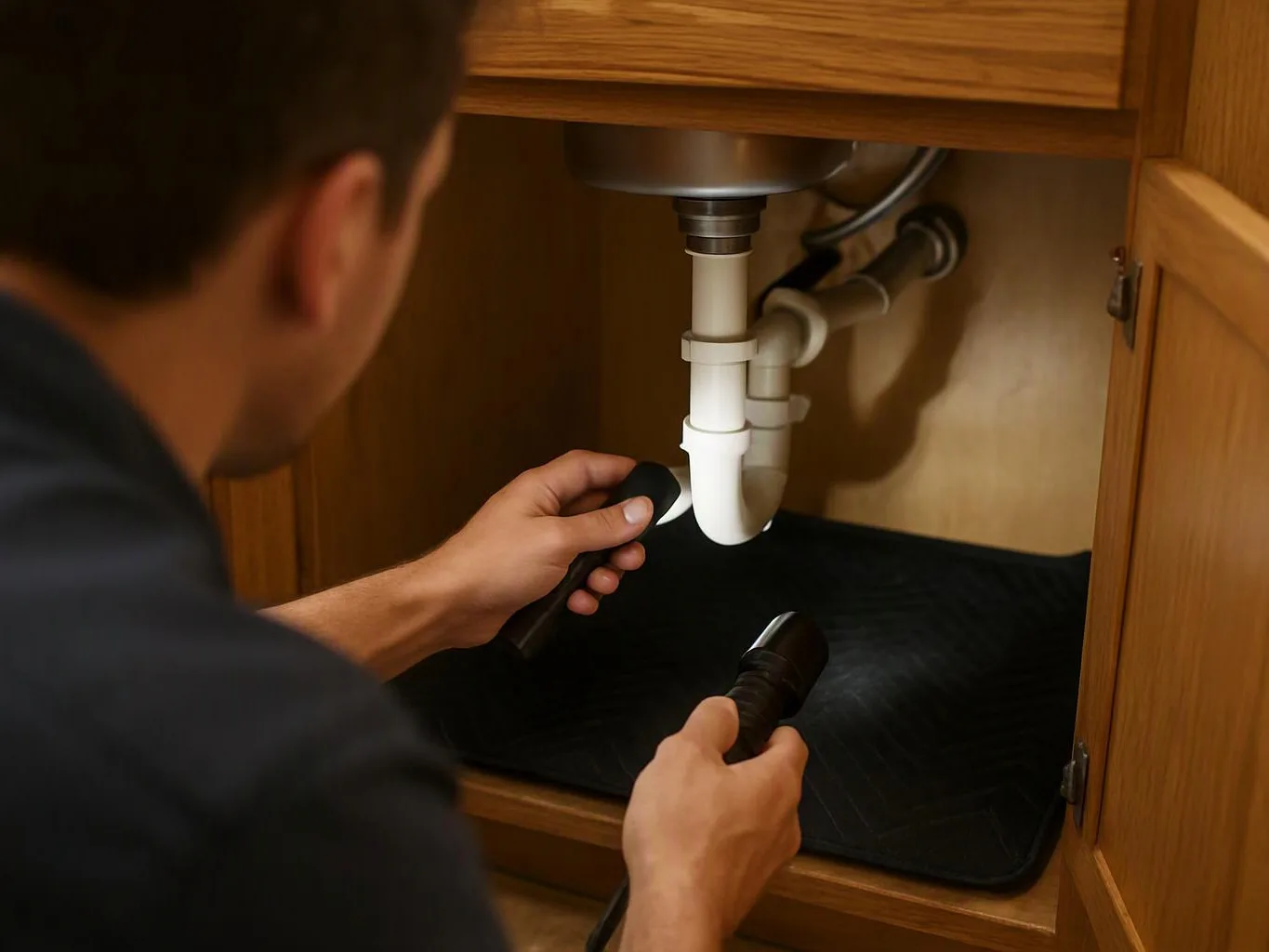
Sewer pipe repair usually targets one damaged area, such as a pipe joint or short section. Our team uses a sewer camera inspection to locate the problem before planning the work.
Trenchless sewer repair can use pipe lining or pipe bursting when the buried sewer line, access points, and surrounding soil support the method. Sewer line replacement removes and renews the damaged route when the pipe's structural condition is too poor for repair.
The difference between trenchless and traditional sewer repair is the access method. Trenchless work uses existing access points or small access areas when possible, while traditional work may require excavation along more of the sewer route.
Some hillside properties in the area can make buried sewer access and pipe alignment more complex. Seasonally wet weather can also increase drainage pressure and water intrusion risks for some properties.
Which Sewer Option Fits Your Line?
The right sewer option depends on damage location, pipe condition, access, surface disruption, and long-term reliability.
Our team starts with a sewer camera inspection and reviews the sewer route. We also consider pipe depth, cleanout access, drainage performance, and the condition of nearby wastewater piping.
| Factor | Repair or Trenchless Repair | Replacement | Key Decision |
|---|---|---|---|
| Cost drivers | Often involves less pipe work, depending on access and damage. | Often involves more materials, excavation, and surface restoration. | Damage scope and site conditions control the estimate. |
| Surface disruption | Lower disruption may be possible with eligible trenchless methods. | Excavation can affect soil, paving, landscaping, or other surfaces. | Available surface access matters. |
| Maintenance | Maintenance needs depend on remaining pipe condition. | A renewed route can address broader deterioration. | Inspection findings guide the choice. |
| Best for | Limited damage and eligible buried lines. | Collapsed, failing, or widely damaged lines. | Long-term reliability needs. |
When Is Spot Sewer Line Repair an Option?
Spot repair is an option when inspection shows limited damage in an otherwise serviceable pipe.
A sewer camera inspection can show whether the problem is localized. Our team may consider spot sewer repair for a damaged sewer pipe joint, root intrusion, or a focused blockage.
Root intrusion can sometimes be handled with spot repair when roots have entered one area and the surrounding pipe remains usable. Widespread root intrusion, repeated sewer backup, or advanced pipe deterioration may call for a broader plan.
What Are the Advantages of Sewer Line Repair?
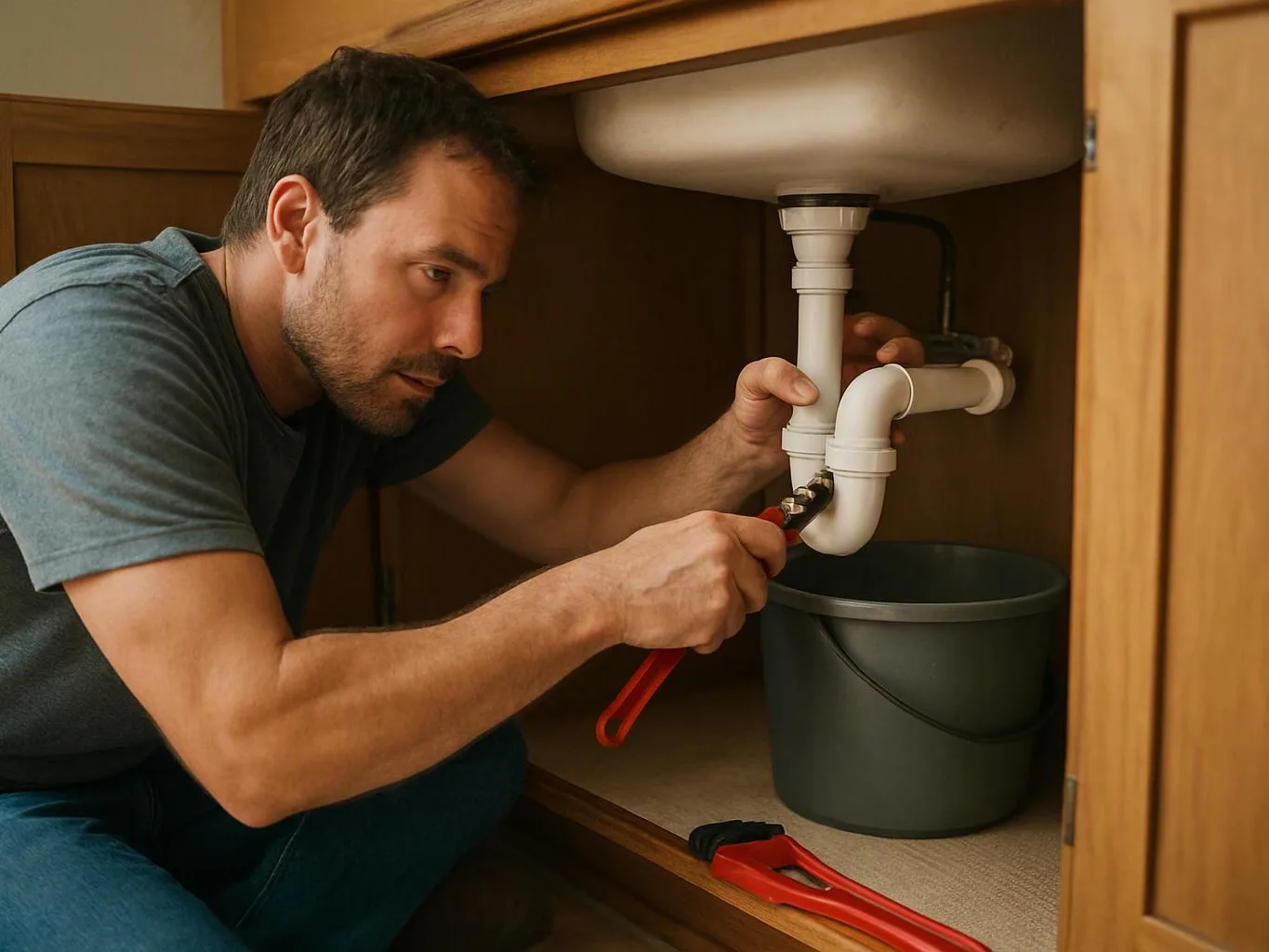
Sewer line repair suits a sound pipe with a limited problem that our inspection can isolate. The method focuses work on the affected pipe section.
Best for: limited damage in a pipe that remains structurally usable.
What Are the Advantages of Trenchless Sewer Repair?
Trenchless sewer repair suits eligible buried lines when access and pipe conditions support a less disruptive method.
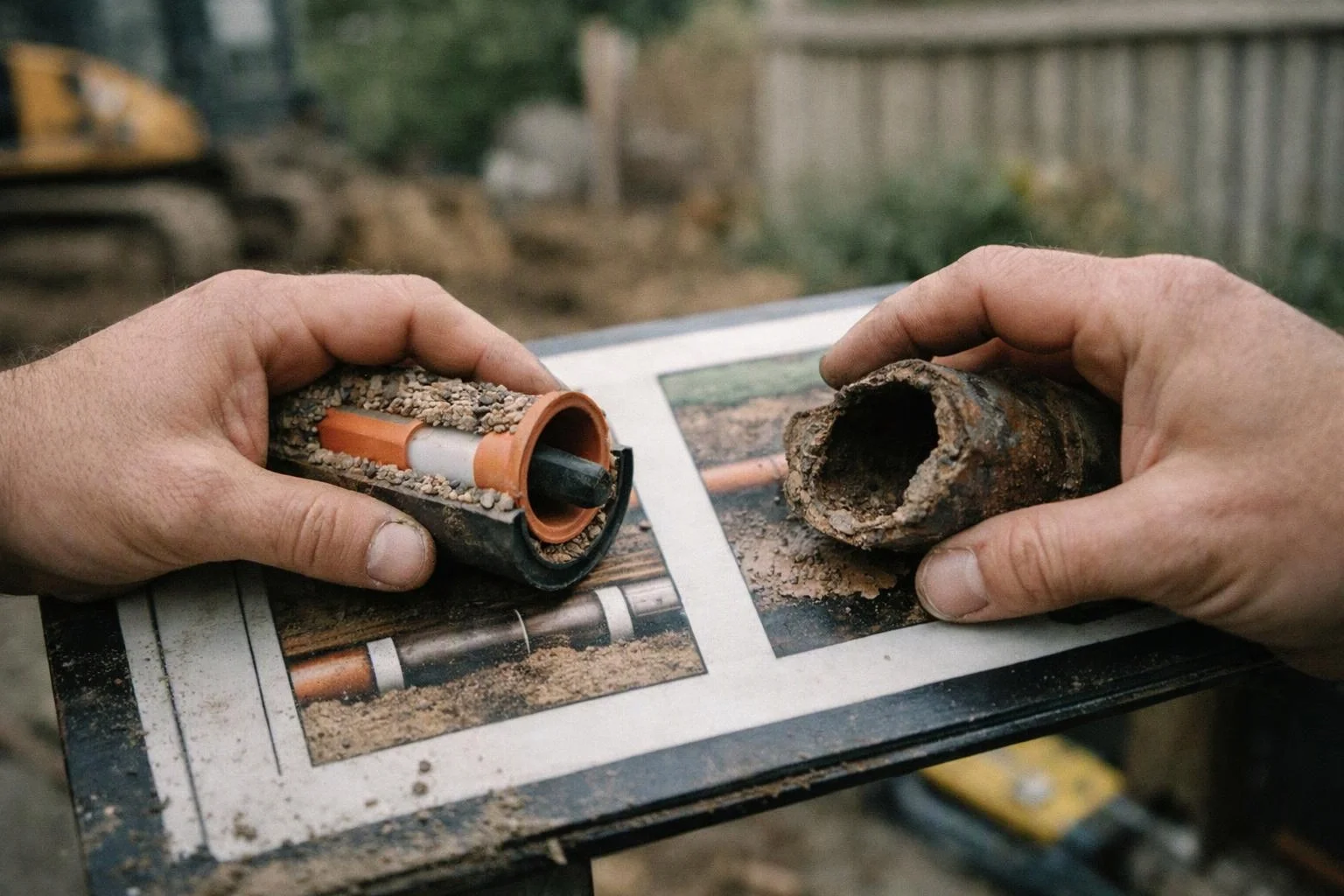
Best for: eligible sewer lines where reducing surface disturbance matters.
When Does Sewer Line Replacement Make More Sense?
Sewer line replacement makes more sense when damage is widespread, the pipe has collapsed, or repair would not restore dependable service.
A collapsed sewer pipe may no longer provide a stable drainage route. Replacement can also make sense when an aging sewer line has repeated failures, severe pipe deterioration, or poor alignment.
Our team reviews nearby buried utilities, pipe depth, access conditions, and the required surface restoration. Uneven ground on some hillside properties can make replacement planning more complex.
What Changes a Sewer Repair or Replacement Estimate?
A sewer estimate changes with the damaged section, pipe depth, access, method, materials, and surface restoration required. We inspect the line, explain the work, and provide an exact quote from the job conditions.
A sewer repair estimate may reflect localized excavation, pipe section access, and the repair method. A sewer replacement estimate may include the full sewer route, trenching, buried utility coordination, disposal, materials, and restoration of affected surfaces.
Our sewer camera inspection helps connect the estimate to actual inspection findings. To request an exact quote, contact our team through the service page for Sewer Line Repair.
How We Choose the Sewer Work for Your Property
Our team uses the inspection findings and site conditions to plan suitable sewer work.
What Should You Do When Sewer Problems Keep Returning?
Recurring sewer problems call for a line inspection because repeated clearing may not address damaged or deteriorating pipe.
A recurring sewer backup, slow drain, or sewer odor can point to root intrusion, a damaged joint, poor alignment, or pipe deterioration. Our team checks the line before recommending more cleaning or a sewer line replacement.
Repeated symptoms can also show that the existing drainage route no longer provides reliable service. Inspection findings help separate a temporary blockage from a larger pipe problem.
How Can You Plan the Next Sewer Line Step?
Sewer inspection findings should guide the next step between sewer line repair, trenchless sewer repair, and sewer line replacement.
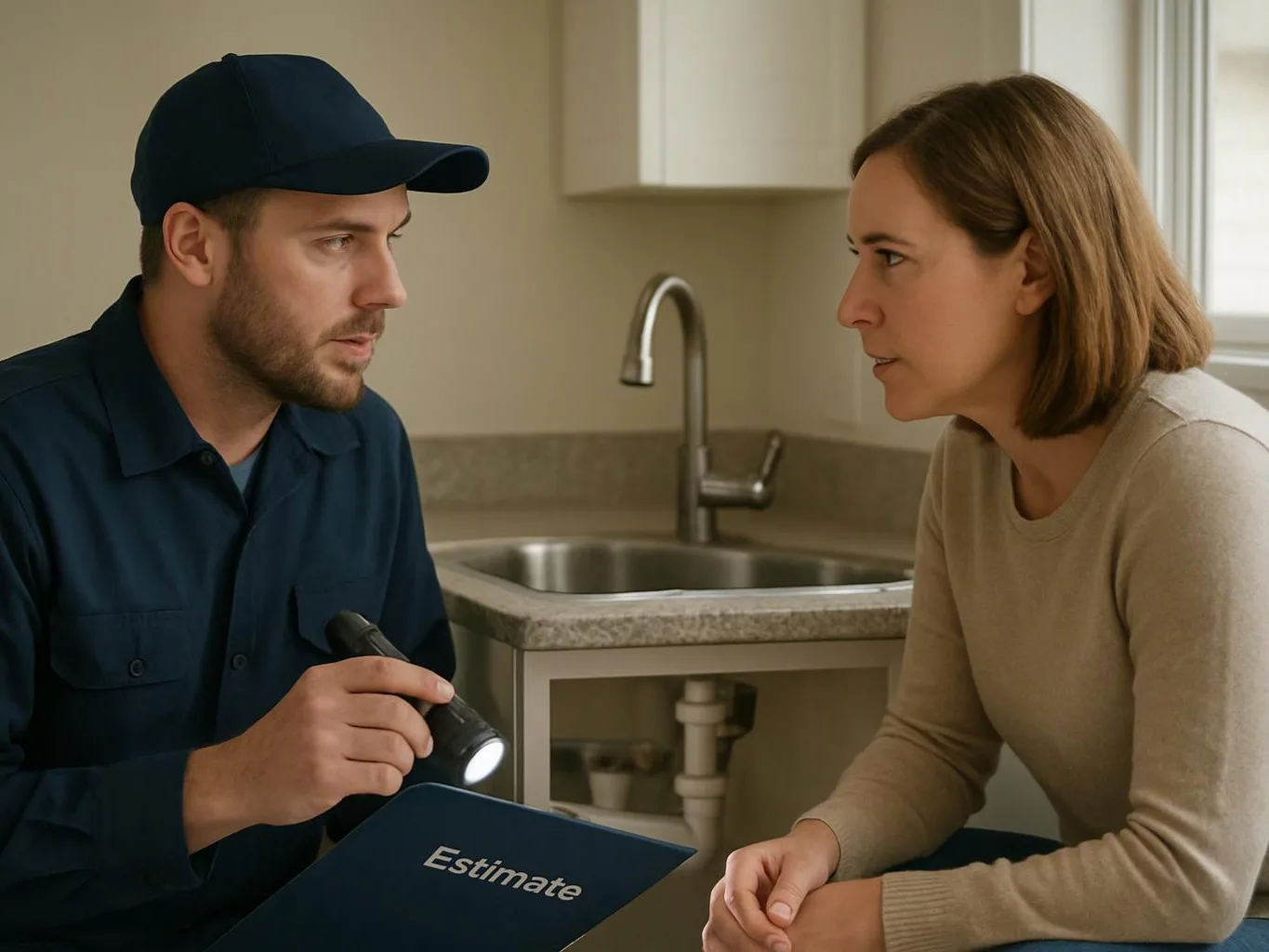
Ask our team to explain the damaged area, pipe condition, access needs, selected method, and surface restoration. A clear project estimate should connect each part of the work to what the inspection found.
Use the service page to request an assessment and discuss the exact quote for your property.
Questions About Choosing Sewer Line Work
Can a sewer line be repaired without digging?
Yes, trenchless sewer repair can reduce digging when the sewer route, pipe condition, and access points support the method. Our team checks those conditions before recommending pipe lining or pipe bursting.
Does trenchless sewer repair work on every pipe?
No, trenchless sewer repair doesn't work on every pipe. Severe collapse, difficult alignment, poor access, or unsuitable pipe conditions can make traditional replacement the more dependable option.
What signs suggest a sewer line needs replacement?
A collapsed sewer pipe, widespread pipe damage, repeated sewer backups, and ongoing pipe deterioration can suggest replacement. Our team confirms the cause with a sewer camera inspection.
Can root intrusion be fixed with spot sewer repair?
Yes, root intrusion may suit spot sewer repair when inspection shows one affected area and the surrounding pipe remains usable. Widespread intrusion or pipe deterioration may require broader sewer work.
What should a sewer replacement estimate include?
A sewer replacement estimate should explain the damaged route, pipe depth, access conditions, replacement method, materials, buried utility concerns, and surface restoration. Our team connects the exact quote to the inspection findings and property conditions.
Contact Our Team About Sewer Line Work
Our team can review your sewer inspection findings and explain the suitable repair, trenchless, or replacement path.
Request a sewer assessment