Water Softener or Filtration System: Choosing Equipment for Your Home
A water softener targets hardness that can cause scale, while a filtration system targets selected contaminants, taste, or odor. PlumbingKentwa.link can assess your water goals, household demand, plumbing layout, and maintenance needs before recommending equipment.
Request an EstimateWater Softener vs. Water Filtration System at a Glance
A water softener is the better fit for hardness and scale, while a water filtration system is the better fit for targeted water quality concerns. The right choice depends on your water quality goals, household demand, plumbing conditions, and maintenance needs.
Our Water Softening Equipment Supplier service can help connect the equipment choice to your home’s plumbing layout.
| Factor | Water Softener | Water Filtration System |
|---|---|---|
| Primary concern | Water hardness and scale buildup | Selected water contaminants, taste, odor, or sediment |
| Treatment method | Ion exchange | Media such as sediment filtration or activated carbon |
| Cost factors | System capacity, plumbing work, drain needs, and maintenance | Filter type, capacity, plumbing work, access, and replacement needs |
| Maintenance | Salt or media care, regeneration checks, and service checks | Filter cartridge or media replacement |
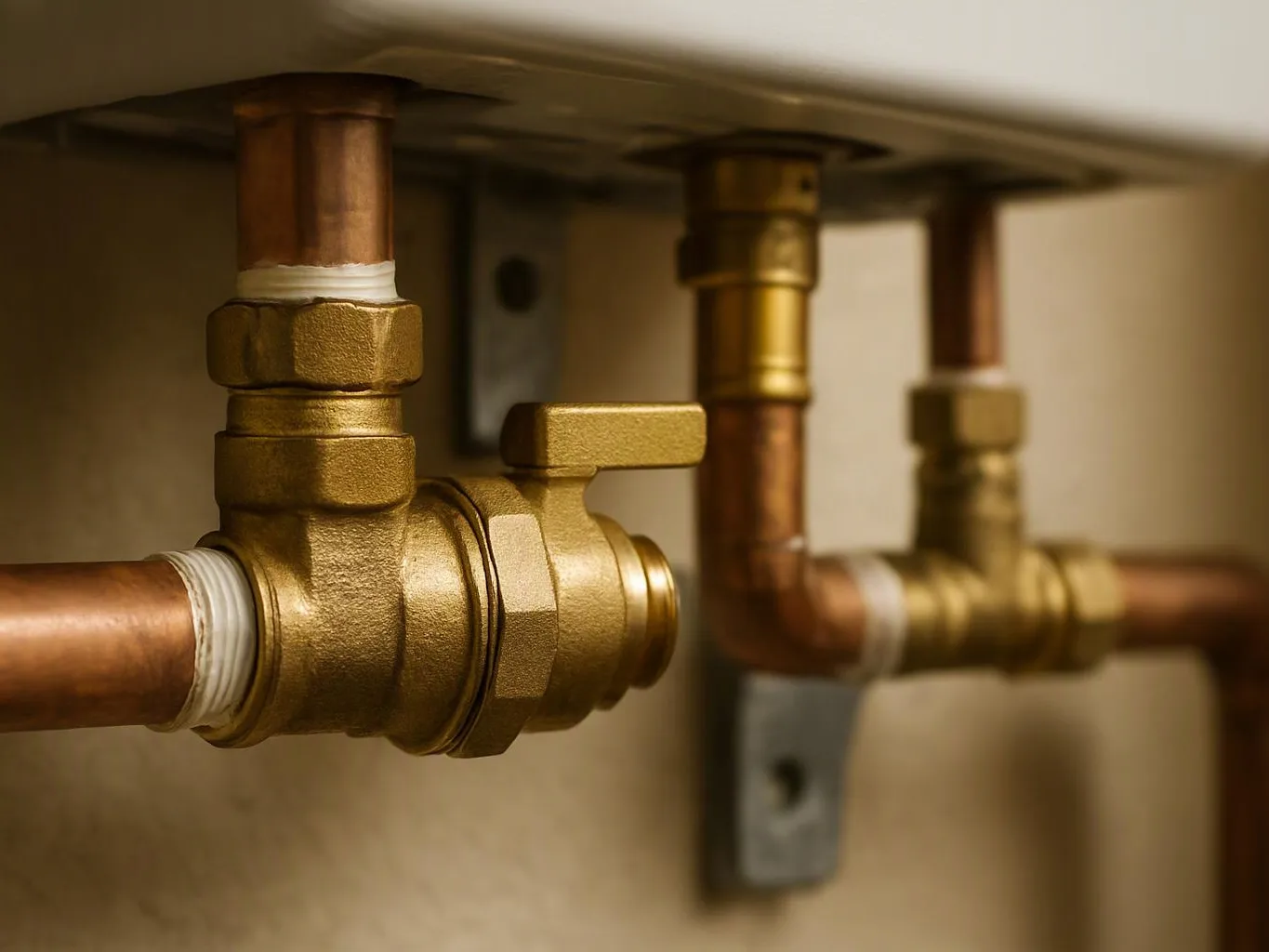
| Installation | Usually needs water, drain, and control connections | Needs connections suited to point-of-use or whole-house treatment |
| Best fit | Homes with hard water and scale concerns | Homes with targeted water quality concerns |
- Water softener: Best for hard water, scale control, and water heater protection.
- Water filtration system: Best for sediment, taste, odor, or selected contaminants.
What Does a Water Softener Do?
A water softener is a water treatment system that reduces hardness minerals before water reaches household fixtures. An ion exchange softener uses a resin tank to exchange hardness minerals within the water.
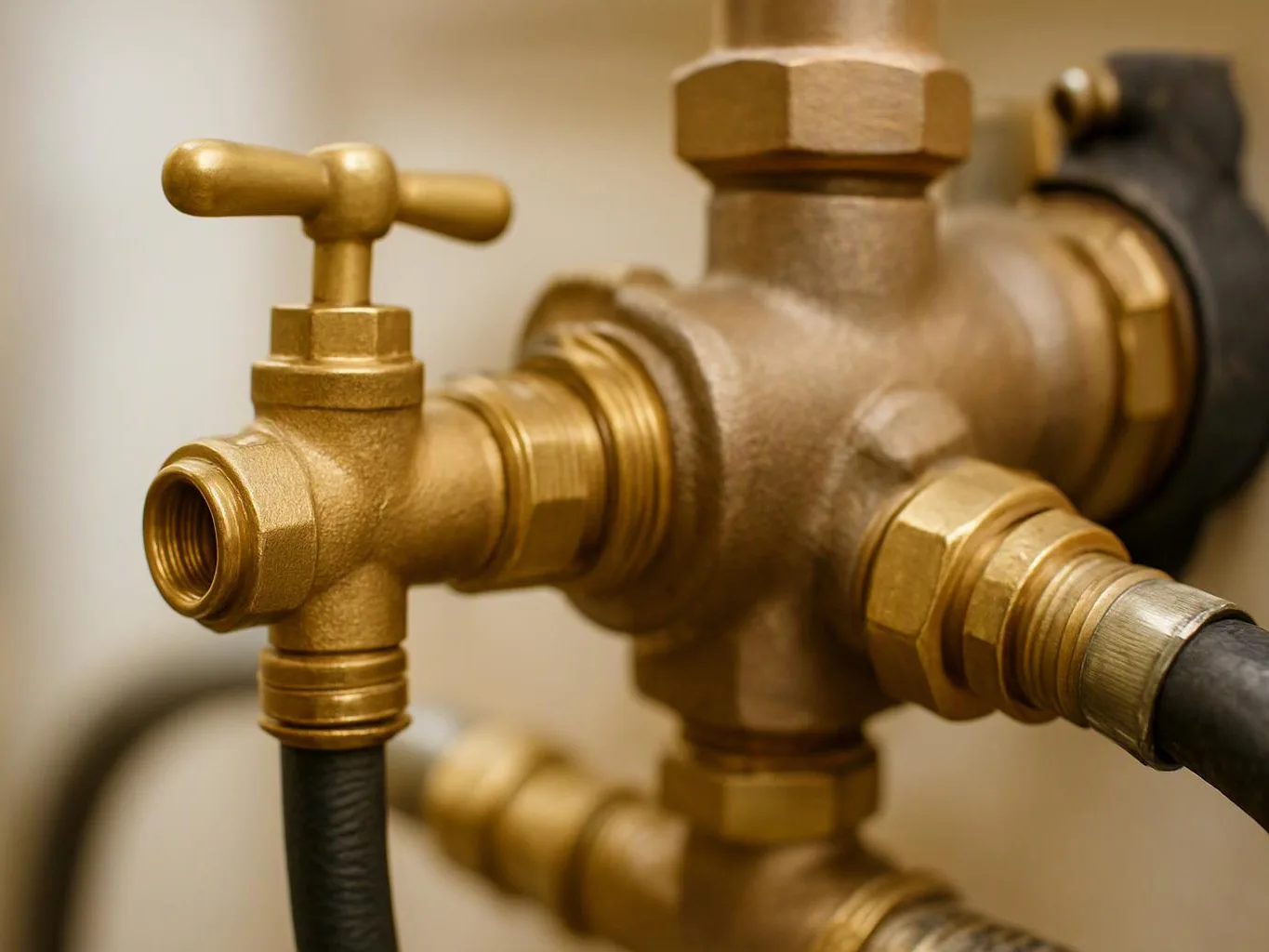
Hard water can leave scale buildup inside plumbing fixtures and water heater components. Our team checks the existing plumbing connections, control valve, drain line, and available space before planning installation.
Why Choose a Water Softener?
A water softener makes sense when water hardness is causing scale or reducing cleaning performance. The system must still match household demand and maintenance preferences.
Our crew can assess whether the current equipment supports the home’s water use and water heater needs.
What Does a Water Filtration System Do?
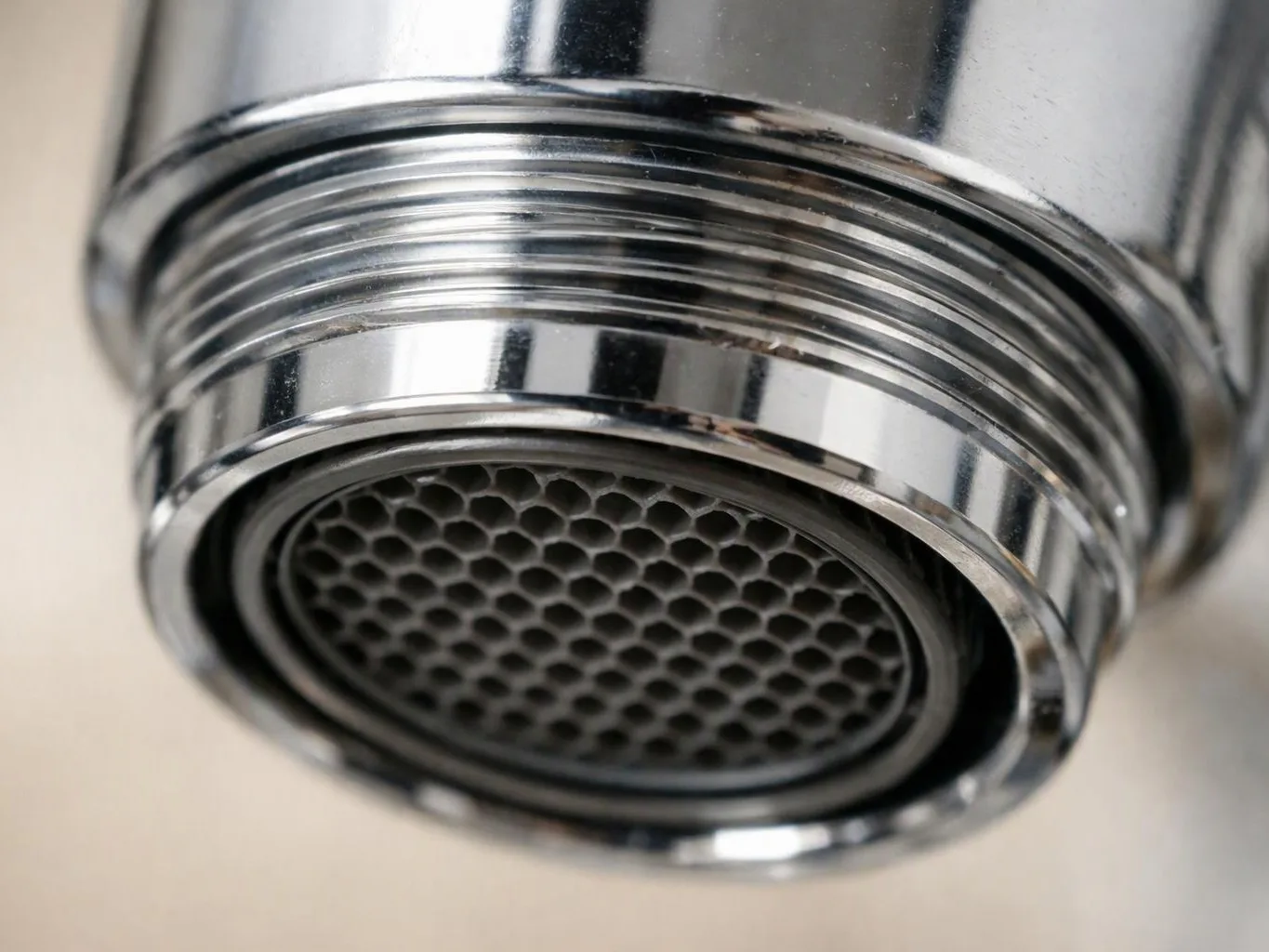
A water filtration system is a treatment system that reduces selected particles, substances, tastes, or odors from water. The filter media must match the water quality concern.
A sediment filter can capture particles, while activated carbon can target chlorine taste and odor. A point-of-use filter treats water at a selected tap, while whole-house filtration treats water as it enters the home.
Why Choose a Water Filtration System?
A water filtration system fits homes with a specific water quality concern that hardness treatment does not address. Our team selects the filter type based on the intended use and the water source.
Filtration can be installed at one drinking water tap or as part of whole-house water treatment. The plumbing layout and household demand help determine which approach fits.
Which System Fits Your Home's Water Concern?
Choose a water softener for hardness and scale, a filtration system for targeted water concerns, or a combined setup when both needs are present. Water hardness and other water quality concerns should be assessed separately.
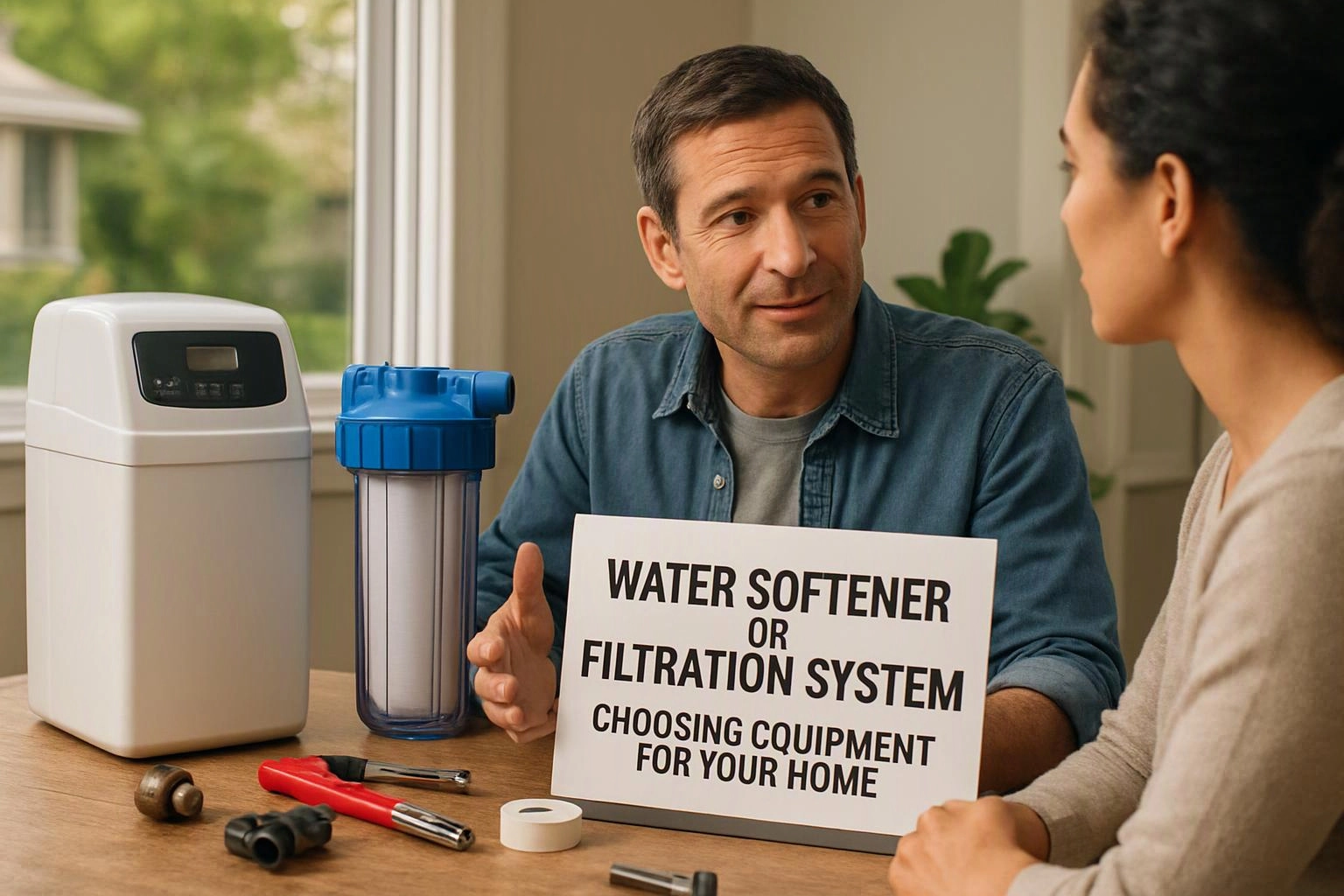
Water quality testing can help identify the treatment goal. We also review household water demand, the plumbing layout, and whether a point-of-entry or point-of-use system makes sense.
Whole-house water treatment may suit homes that want treatment across multiple fixtures. A focused filter may suit a single drinking water concern.
What Should a Water Treatment Installation Estimate Include?
A water treatment estimate should explain the selected equipment, capacity, installation work, connection needs, maintenance, and quote assumptions. A clear scope helps you understand what the equipment and plumbing work cover.
Our team builds the estimate around the home’s water quality goals and existing conditions.
What Changes the Cost of a Water Softener or Filter Installation?
Water treatment cost depends on equipment type, capacity, water conditions, plumbing changes, access, and included maintenance. A water softener replacement may have different work needs from a new filtration system installation.
System capacity affects equipment selection, connection size, and the amount of water the system must handle. Water quality can also change the filter media or softener configuration.
Our team reviews the plumbing layout, drain connection, electrical connection, access, equipment features, and maintenance needs before preparing a quote. Contact us for a job-specific estimate.
How We Select and Install Water Treatment Equipment
PlumbingKentwa.link selects water treatment equipment by matching water quality, household use, system capacity, and plumbing conditions. We explain the installation scope before work begins.
When Does a Water Softener Need Repair or Replacement?
Water softener repair may fit a correctable fault, while replacement may fit major leaks, failed controls, poor capacity, or unsuitable equipment. Our team checks the full system before recommending either option.
A resin tank, brine tank, control valve, or drain line can affect system operation. Salt bridging can interfere with the regeneration cycle, while water leaks can point to a connection or tank problem.
System age matters when repair needs continue or the equipment no longer fits household demand. We explain the repair findings and replacement scope clearly.
How to Request the Right Water Treatment Quote
Request a quote from our team after sharing your water concern, household needs, existing equipment, and plumbing conditions. This information helps us plan the system inspection and equipment selection.
Tell us whether you need water softener repair, water filtration system installation, replacement planning, or whole-house water treatment. We’ll review the installation scope, system capacity, connections, access, and maintenance needs.
Our team serves homes in Pierce County and can discuss the conditions that affect your project.
Questions About Choosing Water Treatment Equipment
Can a water softener remove contaminants?
A water softener targets hardness minerals, not every water contaminant. A separate filtration system may be needed for sediment, taste, odor, or other selected concerns.
Can a water filtration system reduce hard water?
A water filtration system usually does not replace a water softener for hardness control. The filter media must be designed for the specific water quality issue.
Do I need both a water softener and a filtration system?
You may need both systems when hard water and separate taste, odor, sediment, or contaminant concerns are present. Our team assesses the water goals before recommending a combined setup.
What should I bring to a water treatment consultation?
Bring details about water taste, odor, scale, sediment, household demand, existing equipment, and known plumbing concerns. Photos of the equipment and installation area can also help our team review the project.
When should a water softener be repaired instead of replaced?
Water softener repair may suit a correctable control, connection, or regeneration fault. Replacement may suit major leaks, failed equipment, poor capacity, or a system that no longer fits the home.
Related Resources
Signs Your Water Softener or Filter May Need Attention
Everything About ItWater Softeners and Filters: Which System Addresses Your Water Concerns?
Brand vs BrandWater filter supplier Companies Worth Comparing in Kent (2026)
Brand vs BrandSnoFalls Plumbing LLC vs Local Water filter supplier Alternatives in Kent: Side-by-Side Comparison