Water Softeners and Filters: Which System Addresses Your Water Concerns?
A water softener treats hard water minerals, while a water filter targets specific impurities or taste concerns. At PlumbingKentwa.link, we can assess your water concerns and match the system to your home.
Request an EstimateWhat’s the Difference Between a Water Softener and a Water Filter?
A water softener reduces hardness minerals, while a water filter removes or reduces selected substances in water.
Hard water contains minerals that can create scale buildup on water fixtures and leave soap residue. A softener treats that mineral problem through conditioning or ion exchange.
A water filter focuses on water quality concerns such as sediment, chlorine taste, odor, or targeted contaminants. The right choice depends on what your water test shows.
Water Softener vs Water Filter: Which Concern Does Each System Address?
A water softener fits mineral-related hardness concerns, while a water filter fits concerns tied to sediment, taste, odor, or targeted contaminants.
Each system treats a different part of the water supply. The comparison below helps connect common symptoms with the equipment that may address them.
| System | Main concern | Common focus | Typical placement |
|---|---|---|---|
| Water softener | Hard water minerals | Hard water scale and soap residue | Main water supply |
| Whole-house water filter | Broad water quality concerns | Sediment, chlorine taste, and odor | Main water supply |
| Point-of-use filter | Water at one outlet | Drinking water taste or selected contaminants | Faucet, refrigerator, or under-sink line |
Do You Need a Water Softener or a Whole-House Filter?
A water softener suits hard water symptoms, while a whole-house filter suits broader water quality concerns.
Household water use also affects the choice. A whole-house system treats water throughout the home, while a point-of-use filter focuses on drinking water at selected fixtures.
Testing may show separate problems, such as hardness and sediment. In that case, a softener and filter can work together as separate treatment stages.
What Types of Whole-House Water Filters Are Available?
Whole-house filtration systems use different filter media for different water quality concerns.
Our team matches the filter type to the substance that testing identifies. Common options include:
A filter cartridge system may suit one home, while a larger media filter may suit another. System capacity, plumbing connections, and maintenance needs guide the final selection.
Should You Test Your Water Before Choosing a System?
Yes, water testing identifies the actual concern and helps prevent choosing a system that treats the wrong problem.
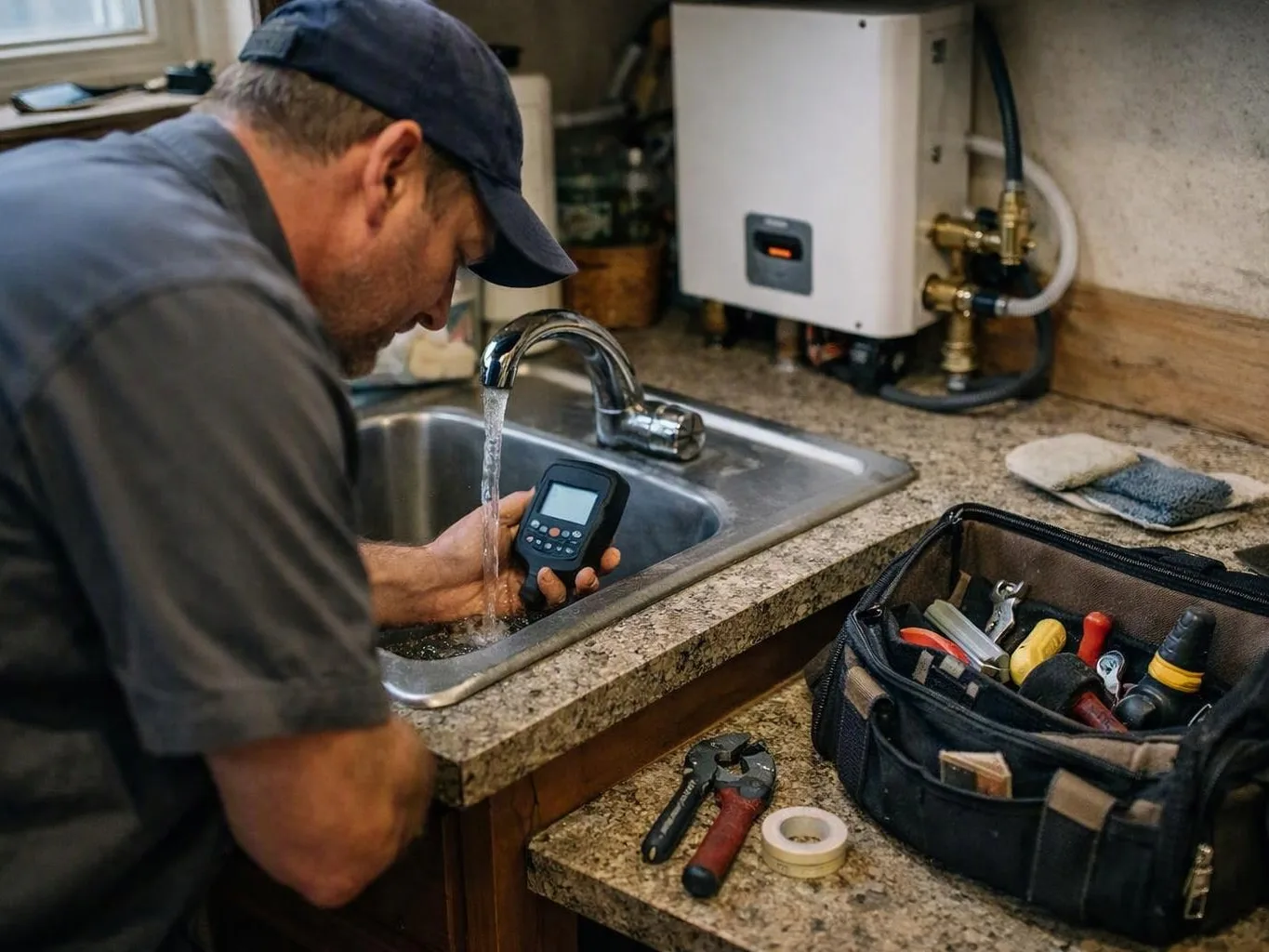
Testing can check water hardness, pH, sediment, iron, chlorine, and other contaminants. Those results help separate a softening need from a filtration need.
Municipal water and well water can have different treatment concerns. Well water may require attention to iron, sediment, or odor, while municipal water may raise taste or chlorine concerns.
How We Match Water Treatment Equipment to Your Home
Our team uses water quality assessment and system details to match equipment to your home.
We review the results and the plumbing layout before recommending water softening equipment or a filtration system.
Our team explains what the quote includes before work begins. You can request an exact quote after we review the equipment and installation requirements.
What Should You Check Before Installing a Softener or Filter?
Installation planning should confirm the location, plumbing layout, and service connections for the water treatment equipment.
The installation location needs enough room for the system and future maintenance. Our team also checks the water shutoff, drain connection, and electrical outlet when the equipment requires them.
A bypass valve can help isolate the treatment equipment during service. We review the plumbing layout so the system connects to the correct water line and does not restrict normal service access.
Plumbing changes and electrical connections can involve code and inspection requirements. Our team handles the installation planning and advises you to use licensed workers for regulated work.
When Does a Water Treatment System Need Repair or Replacement?
Water treatment equipment needs attention when performance changes, leaks appear, or untreated water reaches fixtures.
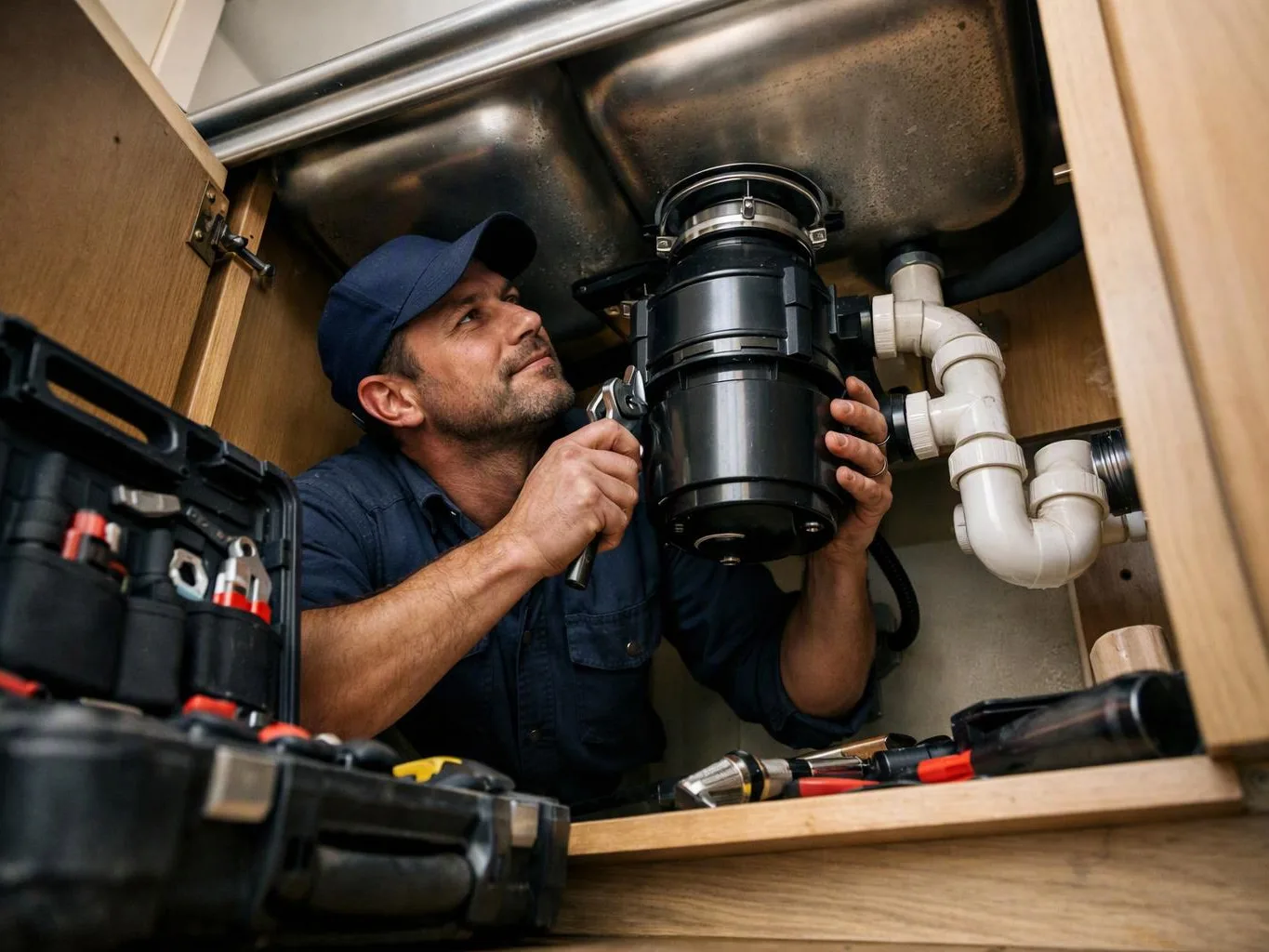
We inspect the system to identify whether repair, filter replacement, or equipment replacement best addresses the problem.
Which Water Treatment Service Fits Your Next Step?
The right water treatment service depends on whether your home needs equipment selection, installation, or repair.
Our team can help when you need a water filter supplier or water softening equipment supplier. We can also plan water filtration system installation or diagnose an existing unit through water softener repair.
For equipment selection, start with testing and a review of your water quality concerns. You can also use our water filter supplier service when filtration is the main concern.
Request an exact quote after the system type, plumbing connections, capacity, and maintenance needs are clear.
Questions About Water Softeners and Filters
Can a water filter remove hard water?
No, a standard water filter doesn't remove the minerals that cause hard water. A water softener or suitable conditioning system addresses water hardness.
Can a water softener improve drinking water taste?
A water softener can change water chemistry, but it isn't designed to target chlorine taste, odor, or selected contaminants. A point-of-use filter may better address drinking water taste.
Do I need a whole-house filter if I already have a water softener?
You may need both systems when testing shows hardness and separate concerns such as sediment, chlorine, odor, or targeted contaminants. A softener doesn't replace a filter designed for those substances.
What signs show that a water filter needs replacement?
Low water pressure, returning taste or odor, visible sediment, leaks, or untreated water can show that a filter needs service or replacement. Our team checks the filter cartridge, housing, connections, and system performance.
Can well water require both a softener and a filter?
Yes, well water can require both systems when testing shows hard water plus sediment, iron, odor, or another treatment concern. Testing determines which filter media and softening equipment fit the water.
Related Resources
Water Softener or Filtration System: Choosing Equipment for Your Home
When You Need ItSigns Your Water Softener or Filter May Need Attention
Brand vs BrandWater filter supplier Companies Worth Comparing in Kent (2026)
Brand vs BrandSnoFalls Plumbing LLC vs Local Water filter supplier Alternatives in Kent: Side-by-Side Comparison