Skip to content

Slab Leak Repair in Kent, Washington

A leak beneath a concrete slab can waste water and damage flooring. We trace the source, explain the repair path, and serve homes and businesses in Kent.

5 · 13 ReviewsLicensed & InsuredWarranty AvailableSame-Day Service
Slab Leak Repair helps Kent homeowners and businesses address water leaks beneath concrete floors. Low pressure, warm floor spots, damp areas, or unexplained water use can point to a hidden supply line leak. At PlumbingKentwa.link, we inspect the symptoms and outline the next repair step before work begins. The job may involve a spot repair, an under-slab reroute, or access through the floor, depending on the leak location and pipe condition.

Our Track Record

Average Rating
5
Customer Reviews
13

What a repaired slab leak changes for your property

A confirmed repair stops hidden water loss at the affected supply line.

A suitable reroute can reduce the need to open a larger floor area when the existing pipe path makes direct access impractical.

Early diagnosis helps separate a buried pipe leak from fixture, valve, or visible plumbing problems.

What Slab Leak Repair Covers

Slab Leak Repair is a plumbing service that locates and fixes leaking water lines beneath a concrete slab.
  • Slab Leak Repair differs from surface leak repair because the source may require leak detection, floor access, or an under-slab reroute.
  • The service covers residential and commercial plumbing properties in Kent and nearby South King County communities.
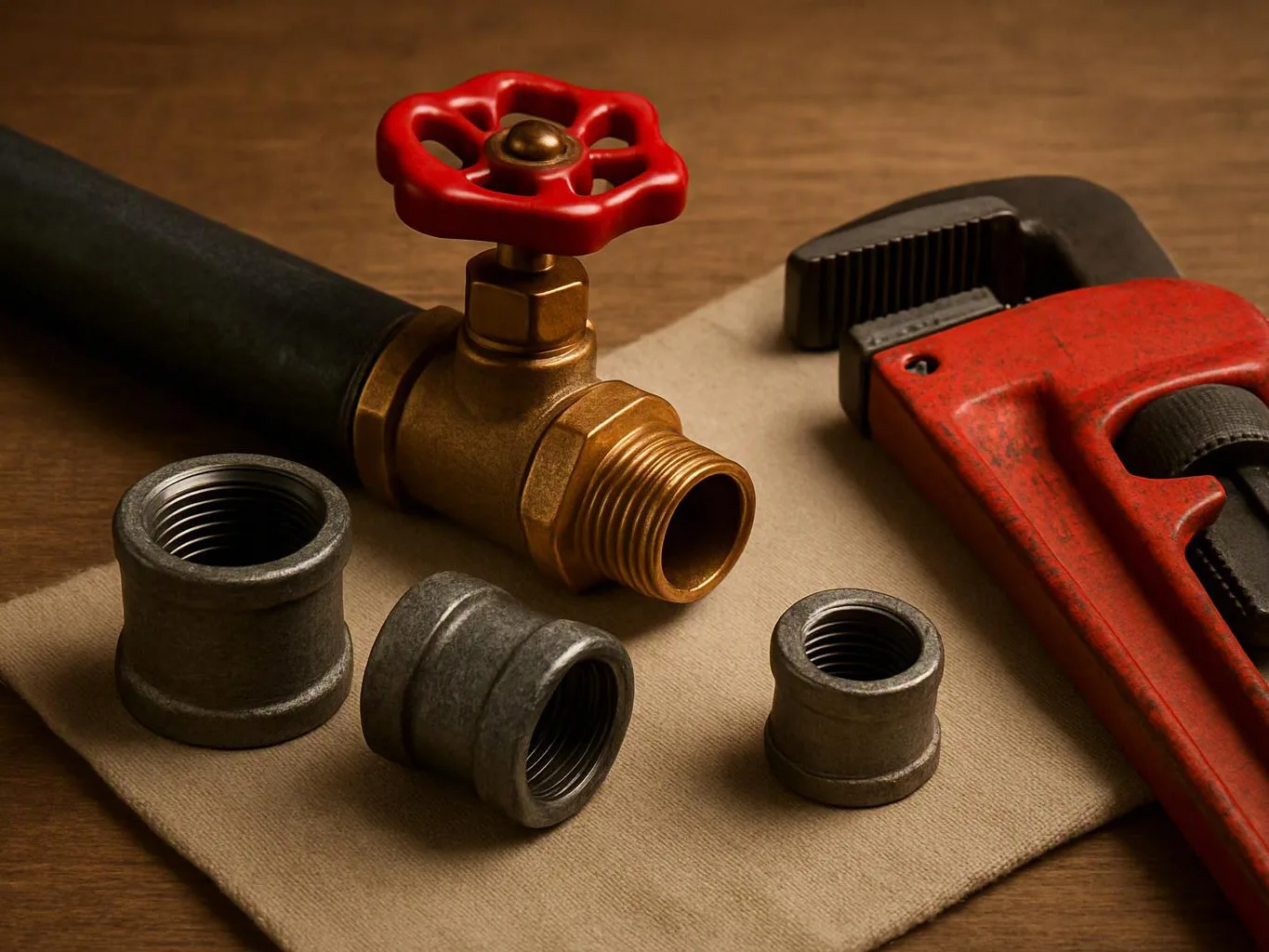
A brass pipe valve, threaded fittings, and a red pipe wrench rest on a tan cloth over a wooden table
About

What slab leak repair covers beneath a concrete floor

Slab leak repair starts with the water system, the visible symptoms, and the areas that need access. We look for the leak source before deciding whether a small opening, a direct pipe repair, or an under-slab reroute fits the property. The main cost drivers are leak location, pipe material, access, floor finish, and the amount of damaged pipe. A leak under tile, finished flooring, or a commercial work area can need more restoration than an exposed service point. We explain the diagnosis, recommended work, and pricing before beginning service. Our position is simple: the first repair decision should follow a confirmed leak path. Opening a large section of floor before locating the line can waste labor and increase restoration work. Water damage insurance claims may involve photos, plumbing findings, and repair records. We can explain the plumbing work and the documents created during service, while your policy decides coverage.

Process

How we locate and repair a leak below the slab

1

Review symptoms and isolate water lines

We review pressure loss, damp areas, warm flooring, and fixture use, then isolate the suspected line to narrow the source.

2

Trace the concealed leak

We use leak detection methods suited to the plumbing layout and check the slab area before selecting an access point.

3

Choose direct repair or reroute

We explain whether a spot repair, direct pipe repair, or under-slab reroute fits the confirmed leak and pipe condition.

4

Repair the affected water line

We complete the selected pipe work and check the repaired line for proper flow and signs of continued leakage.

5

Explain restoration and records

We describe the plumbing result, remaining floor work, and service documentation that may support an insurance discussion.

What to prepare before slab leak repair

A few details help us assess the leak and plan access without delay.

  • Note when low pressure, damp flooring, or warm spots first appeared.
  • Keep the suspected floor area accessible and move fragile items nearby.
  • Identify fixtures that lose pressure or show unusual temperature changes.
  • Gather photos of damp areas and any water damage for your records.
  • Tell us whether the property is residential or commercial and which spaces need access.

Our Standard

Clear Service Explanation

We explain the leak findings, recommended repair, access needs, and pricing before beginning slab leak service.

Professional Workmanship

We use trained personnel and suitable equipment to inspect, repair, and check concealed water lines beneath slabs.

Clean Work Areas

We protect nearby flooring and furnishings, then leave the accessible work area clean after slab leak repairs.

Customer Reviews for Slab Leak Repair in Kent

5(13 Customer Reviews)View our Google Business Profile
Shannon Fell
Shannon Fell
7 months ago
Verified on Google
Ryan was very helpful. Professional. Expedient. Knowledgeable and flexible. Took care of everything we had going.
Heidi
Heidi
7 months ago
Verified on Google
Alan was very courteous and explained things well.
Michael Melvin
Michael Melvin
a year ago
Verified on Google
Incredibly polite service. Answering all my questions. Done in a timely manner.

Questions about leaks beneath concrete floors

Who provides slab leak repair in Kent, Washington?

PlumbingKentwa.link provides slab leak repair for residential and commercial properties in Kent, Washington. We inspect the suspected water line, explain the repair path, and address issues such as low pressure, damp flooring, or unexplained water use. The work may involve a spot repair, direct pipe repair, or under-slab reroute based on the confirmed leak source.

What changes the cost of repairing a leak under a slab?

The leak location, pipe material, access, floor finish, and damaged pipe length drive the repair cost. Tile, finished flooring, and commercial spaces may add restoration work. A direct repair may require less access than a reroute, but pipe condition can change that choice. We inspect the source and explain pricing before beginning service.

Will homeowners insurance pay for a slab leak?

Homeowners insurance coverage depends on the policy and the cause of the water damage. Plumbing repair and floor restoration may receive different treatment under a policy. We can provide service details and documentation from the plumbing work, but your insurer decides coverage. Photos, findings, and repair records may help with the claim discussion.

Should I shut off water before someone checks a slab leak?

Shutting off the affected water supply can limit ongoing loss when the leak is active. Avoid opening the floor or running hidden lines to test the problem yourself. If the main shutoff is safe to use, note what changes after isolation and tell us which fixtures lose pressure. We then check the suspected line and plan the repair.

Is an under-slab reroute better than a direct pipe repair?

An under-slab reroute fits some leaks when direct access would disturb more flooring or the existing pipe has broader problems. A direct repair can fit a clearly isolated damaged section with practical access. We compare the leak path, pipe condition, floor finish, and restoration needs before recommending either option.

What happens if a slab leak is left alone?

An untreated slab leak can keep releasing water below the floor and worsen nearby material damage. The leak can also affect water pressure and create a larger repair area. We first separate the buried pipe problem from fixture or valve issues, then explain the repair scope and any access needed.

What information should I share when requesting a quote?

Photos, fixture symptoms, floor changes, and the time the issue began help us assess the request. Tell us whether the property is residential or commercial and whether water can be isolated. We use those details to discuss the likely inspection needs, access concerns, and factors that shape the quote.
Contact

Request a Slab Leak Repair Quote in Kent

Ask for an assessment of the suspected leak and the repair options; urgent requests get priority scheduling.
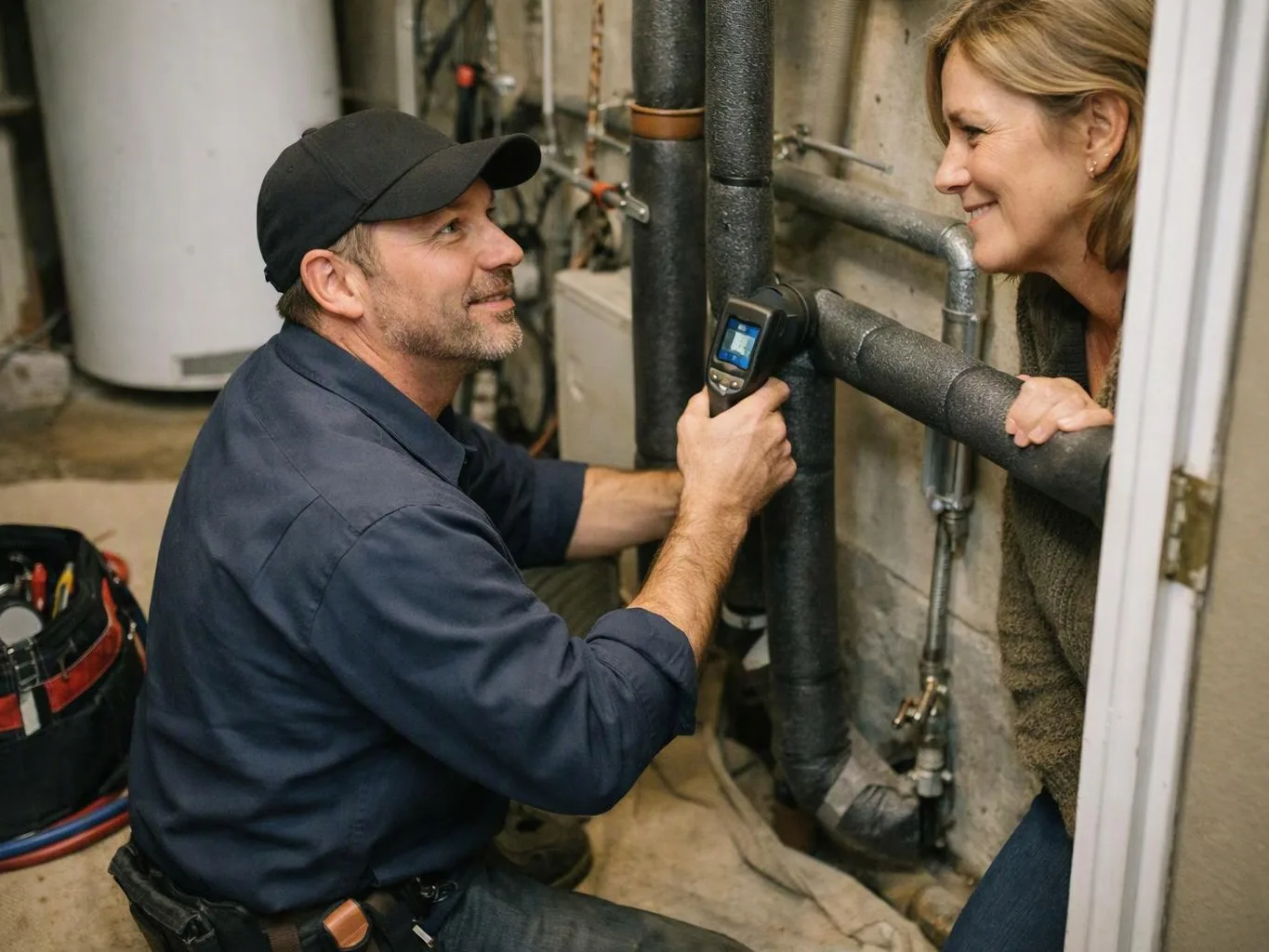
A man checks a pipe with a handheld meter while a smiling woman watches in a basement utility area
Scenarios

When Customers Call Us About Slab Leak Repair

1

Low Pressure Across the Home

A homeowner notices weak flow at several fixtures, but no faucet or toilet appears to leak. A buried supply line may be losing water beneath the slab, although a valve or other pipe fault can look similar. We check the system and explain which line needs attention before any floor access is planned.

2

Warm Floor Near a Fixture

A warm patch near a bathroom or kitchen can point to a hot-water line leak below the concrete. The location matters because finished flooring can affect access and restoration. We inspect the plumbing pattern, isolate the suspected line, and compare a direct repair with an under-slab reroute.

3

Commercial Space With Damp Flooring

A business finds damp flooring in a room that must remain safe for staff and visitors. The repair plan must account for access, pipe location, and the affected work area. We review the symptoms, identify the source, and set out the plumbing work and restoration considerations before service begins.
Our Other Services

Drain CleaningSlow sinks and backed-up showers make daily routines frustrating. We clear hair, grease, soap buildup, and food debris from household drain lines, leaving wastewater moving freely again.
Emergency PlumbingA burst pipe, overflowing toilet, or sudden loss of water needs prompt attention. We locate the failure, shut down the affected supply, and restore safe plumbing before damage spreads through your property.
Sewer Line RepairA damaged sewer line can cause foul odors, sewage backups, and wet patches outdoors. We repair cracked or separated sections and restore reliable wastewater flow with less disruption than replacement.
Leak DetectionA hidden water leak can raise bills and damage drywall, flooring, or framing. We trace pressure loss and moisture around supply pipes, fixtures, and walls, then identify the repair location.
Water Heater RepairCold showers, rusty water, or unusual tank noises can signal water heater trouble. We inspect heating elements, thermostats, anode rods, and relief valves, then repair the cause of the failure.
Water Heater InstallationA failing tank leaves your household without reliable hot water. We install properly sized conventional water heaters, connect the hot and cold lines, and check temperature, venting, and safety controls.
(425) 475-3519