Backflow Prevention and Testing: What Property Owners Should Know
Backflow testing checks whether a backflow preventer protects the drinking water supply as intended. At PlumbingKentwa.link, we explain testing, installation, repair signs, and the steps owners should expect.
Request an EstimateWhat Is Backflow Prevention?
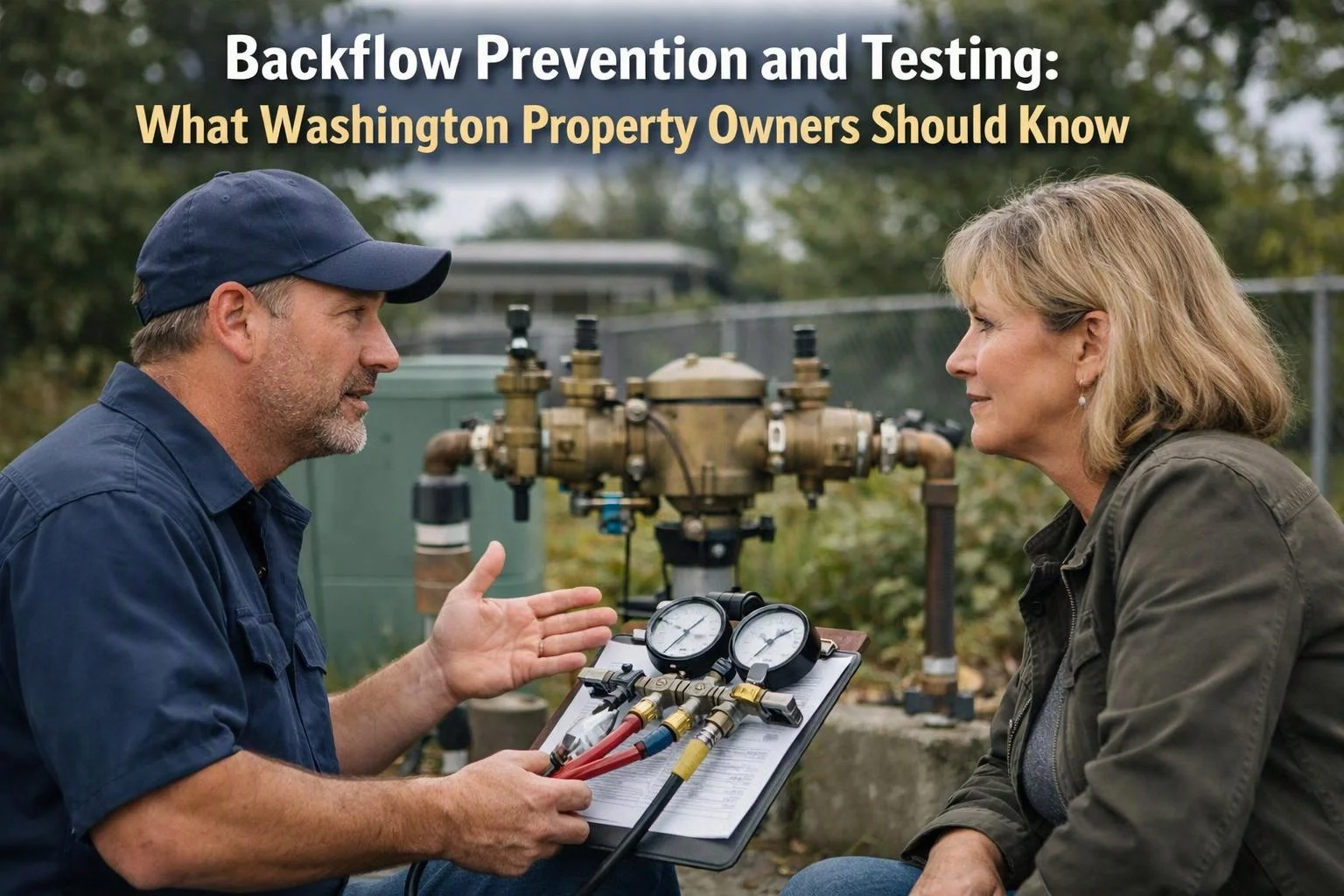
Backflow prevention is a plumbing control that stops contaminated or unwanted water from entering the drinking water supply.
Backflow happens when water moves in the wrong direction through a plumbing system. The unwanted water may come from a process line, irrigation system, boiler, or other source.
A cross-connection links potable water with another water source. Backflow protection reduces the contamination risk created by that connection.
How Backflow Preventers Protect a Water Supply
A backflow preventer protects the water supply by controlling unwanted flow through a cross-connection.
Backpressure occurs when pressure on the customer side becomes higher than pressure in the supply. That pressure can push water back toward the potable water system.
Backsiphonage occurs when supply pressure drops and creates a suction effect. A properly selected device responds to these conditions and limits reverse flow.
Our team reviews the cross-connection control needs before recommending an assembly. We also check whether the device fits the water use, piping arrangement, and installation requirements.
For a broader overview of our process, see our Backflow Testing service page.
Which Backflow Protection Method Fits the Water Connection?
The right backflow protection method depends on the hazard, pressure conditions, and connection design.
Each option serves a different purpose. Our team considers the site conditions and water authority requirements before selecting an assembly.
| Protection method | How it works | Common selection factor |
|---|---|---|
| Air gap | Leaves a physical space between the water outlet and receiving vessel. | Useful where the layout allows a visible separation. |
| Check valve | Allows flow in one direction and restricts reverse flow. | Used as part of suitable cross-connection control. |
| Reduced pressure principle assembly | Uses check valves and a relief valve to protect against backpressure and backsiphonage. | Selected when the hazard and authority requirements call for stronger protection. |
| Double check valve assembly | Uses two check valves in one assembly. | Chosen for suitable non-health-hazard connections. |
| Pressure vacuum breaker | Uses an air inlet valve to limit backsiphonage. | Used where the connection and installation position meet its operating limits. |
How Backflow Testing Works
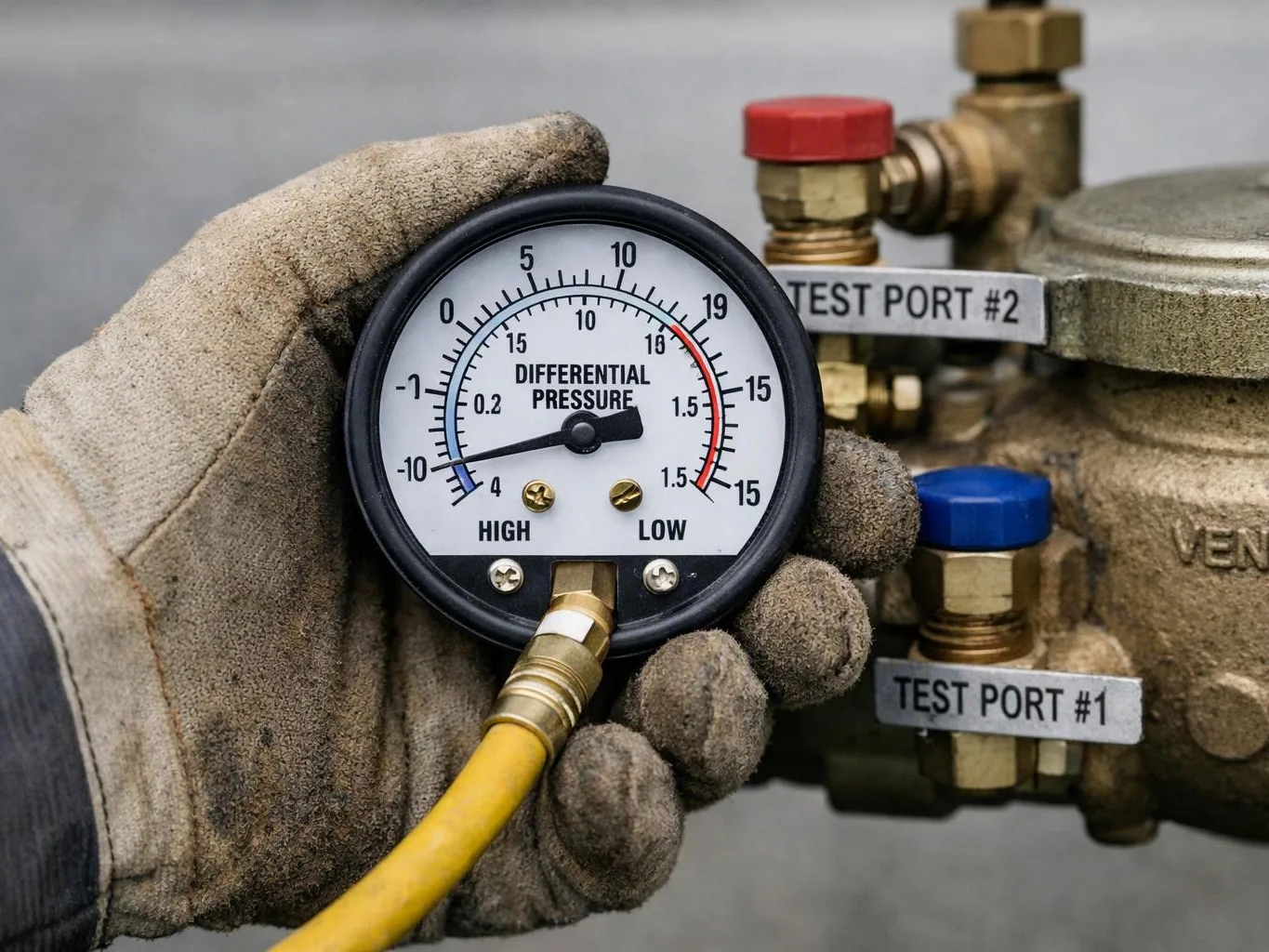
Backflow testing measures whether the assembly responds correctly under test conditions and documents the result.
Our team uses a calibrated test kit and follows the required testing method. We don't treat a visual check as a substitute for an assembly test.
Water service may need controlled interruption while the assembly is tested. Our team explains the access and service conditions before work begins.
How Often Does a Backflow Assembly Need Testing?
A backflow assembly needs testing on the schedule set by the responsible water authority or local requirement.
Testing frequency can depend on the assembly type, hazard level, property use, and water purveyor rules. Owners should keep the due date with the assembly records.
Our team can review prior test reports and help identify the next required testing step. The water purveyor remains the authority for the applicable schedule.
Who Can Test a Backflow Assembly in Washington?
A qualified backflow tester accepted by the responsible Washington water authority can test and document the assembly.
Washington backflow testing must follow the requirements used by the responsible water purveyor. Acceptance rules can affect who may submit a test report.
We confirm the reporting path before testing begins. Our team then documents the test results for the owner and the responsible water authority.
When Should an Assembly Be Tested After Installation or Repair?
A backflow assembly should be tested after installation, repair, or replacement before the protected system returns to normal service.
A commissioning test confirms that the new or serviced assembly works in its installed position. The inspection record should connect the test to the correct assembly and property.
Our team schedules the test as part of the work when required. We also identify any issue that could prevent the assembly from passing.
When Does a Backflow Preventer Need Repair or Replacement?
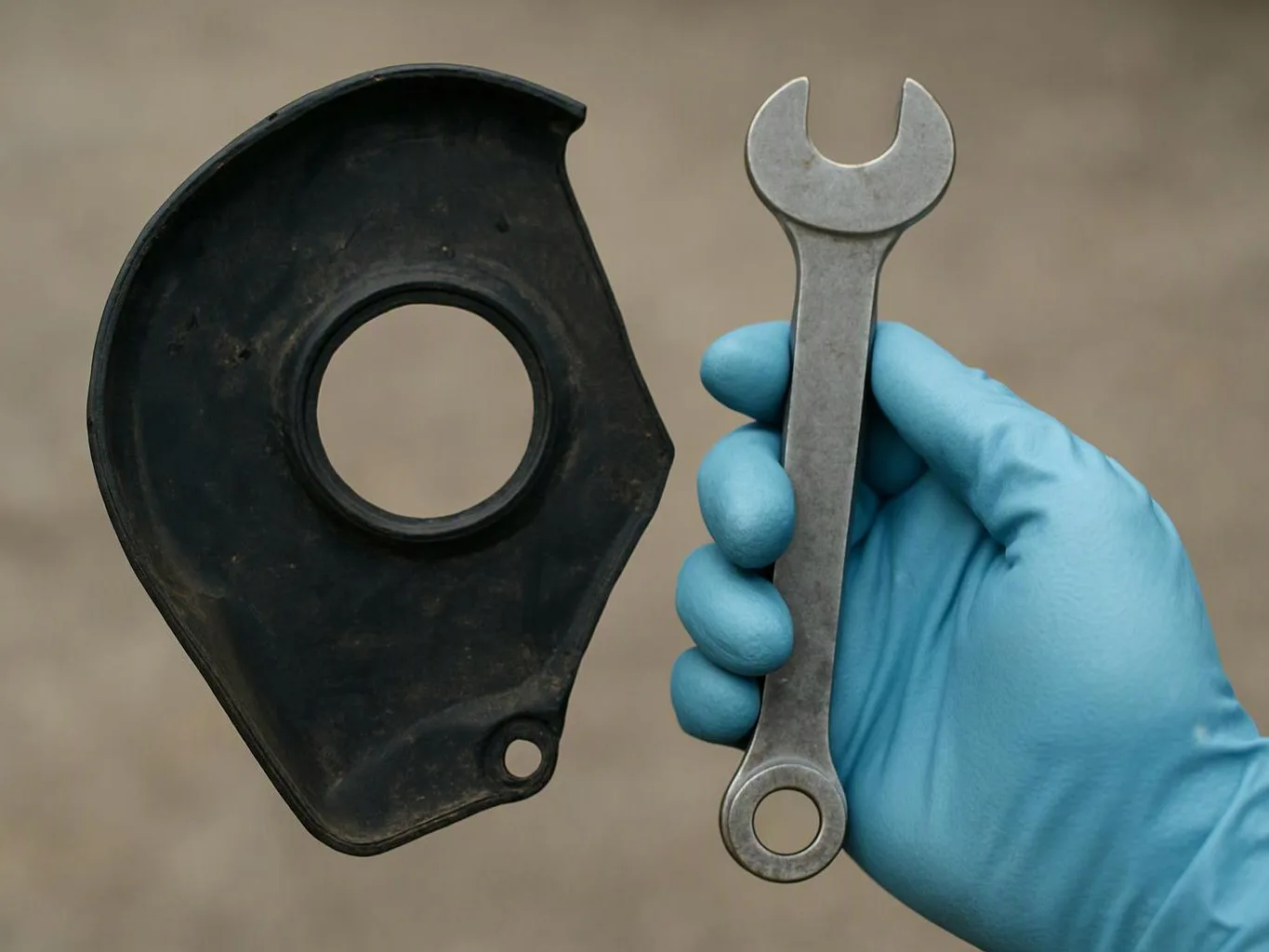
A backflow preventer needs repair or replacement when its parts no longer protect the water connection reliably.
Common warning signs include the following conditions:
Our team checks whether repair is suitable for the assembly and site. We recommend replacement when the body, configuration, or available parts make repair unreliable.
What Does Backflow Testing and Installation Include?
A backflow testing service or backflow preventer installation includes site review, assembly decisions, plumbing work, and test documentation.
Our team starts with a site assessment. We review the water connection, cross-connection risk, access, drainage, shutoff valves, and space around the assembly.
For installation, we select an assembly that fits the connection and installation requirements. We then install it in a serviceable position and arrange the required commissioning test.
For testing, we inspect the assembly, perform the test, explain the test results, and complete the test report. Repair or replacement work is explained before we proceed.
What Changes the Cost of Backflow Work?
Backflow work cost depends on the assembly type, access, installation changes, repairs, and required documentation; we provide an exact quote after reviewing the job.
Assembly type affects the parts, test method, and installation details. Difficult access can add work because our team may need to protect nearby surfaces or adjust the service setup.
Pipe size, installation changes, repair parts, and test requirements also shape the scope. Our quote explains the planned work, included testing, documentation, and any recommended repair or replacement.
To request an exact quote, contact our team about your backflow work.
How to Prepare for a Backflow Test
Property owners can prepare for a backflow test by providing safe access and the available assembly records.
Our team will review site conditions when we arrive. Please tell us about locked areas, active tenants, or equipment connected to the water line.
Why Property Owners Should Keep Backflow Records
Backflow records show when an assembly was tested, what the test found, and what work followed.
A test certificate supports compliance documentation for the property. A maintenance record and repair history also help our team understand the assembly's condition.
Owners should keep test reports, repair details, replacement information, and water authority notices together. Clear records make future testing easier and help resolve questions about the protected water connection.
Questions About Backflow Protection and Testing
Can a failed backflow test affect water service?
Yes, a failed backflow test can affect water service when the water authority requires correction before continued use. We explain the failed part, repair options, replacement needs, and retesting steps.
What happens if a backflow preventer leaks?
A leaking backflow preventer needs inspection because the leak may involve the relief valve, check valves, seals, or body. We assess the cause and explain whether repair or replacement is appropriate.
Can an existing backflow preventer be repaired?
Yes, an existing backflow preventer can be repaired when its condition, design, and available parts support reliable service. We inspect the assembly and recommend replacement when repair won't restore dependable protection.
What information should a backflow test report contain?
A backflow test report should identify the assembly, property, test conditions, test results, tester, and required follow-up. The report should also show whether the assembly passed or needs repair and retesting.
How can property owners prepare for backflow preventer installation?
Property owners can prepare by providing site access, prior records, water connection details, and information about the protected equipment. We review the installation area and explain assembly selection, service access, testing, and documentation before work begins.
Related Resources
Hydro Jetting vs. Drain Snaking: Which Is Right for Your Clog?
Everything About ItSewer Line Repair or Replacement: How to Compare Your Options
Everything About ItSewer Camera Inspections: What They Show and What Happens Next
Everything About ItWater Softeners and Filters: Which System Addresses Your Water Concerns?